
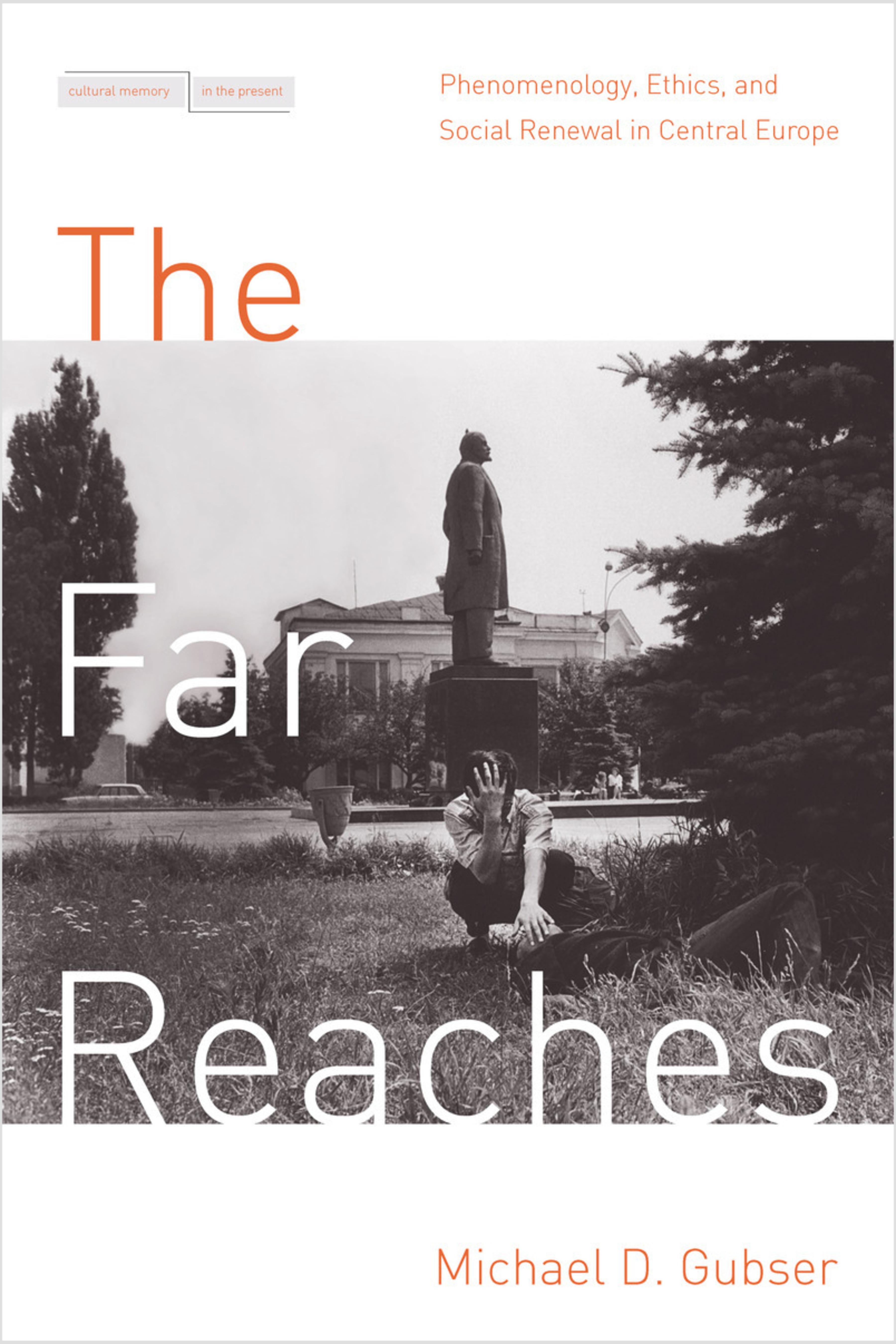
When future historians chronicle the twentieth century, they will see phenomenology as one of the preeminent social and ethical philosophies of its age. The phenomenological movement not only produced systematic reflection on common moral concerns such as distinguishing right from wrong and explaining the status of values; it also called on philosophy to renew European societies facing crisis, an aim that inspired thinkers in interwar Europe as well as later communist bloc dissidents.
Despite this legacy, phenomenology continues to be largely discounted as esoteric and solipsistic, the last gasp of a Cartesian dream to base knowledge on the isolated rational mind. Intellectual histories tend to cite Husserl's epistemological influence on philosophies like existentialism and deconstruction without considering his social or ethical imprint. And while a few recent scholars have begun to note phenomenology's wider ethical resonance, especially in French social thought, its image as stubbornly academic continues to hold sway. The Far Reaches challenges that image by tracing the first history of phenomenological ethics and social thought in Central Europe, from its founders Franz Brentano and Edmund Husserl through its reception in East Central Europe by dissident thinkers such as Jan Patočka, Karol Wojtyła (Pope John Paul II), and Václav Havel.
Maksa helposti kortilla, Klarnalla, Apple Paylla tai Google Paylla. Etkö ole tyytyväinen? Sinulla on aina 14 päivän palautusoikeus. Lue lisää ehdoistamme. Jos sinulla on kysyttävää, lähetä meille sähköpostia osoitteeseen hello@memmo.org.
Memmo tekee opiskelusta helpompaa – missä päin maailmaa ikinä oletkin. Meillä yhdistät kurssikirjat ja fiksut opiskelutyökalut yhteen paikkaan: tiivistelmät, visat, podcastit ja muistikortit. Ja sitten Ted, opiskelukaverisi, joka vastaa kaikkeen, mitä ikinä mietitkin. Yli 50 000 opiskelijaa opiskelee jo täällä – rakennettu auttamaan sinua oppimaan nopeammin ja stressaamaan vähemmän.