
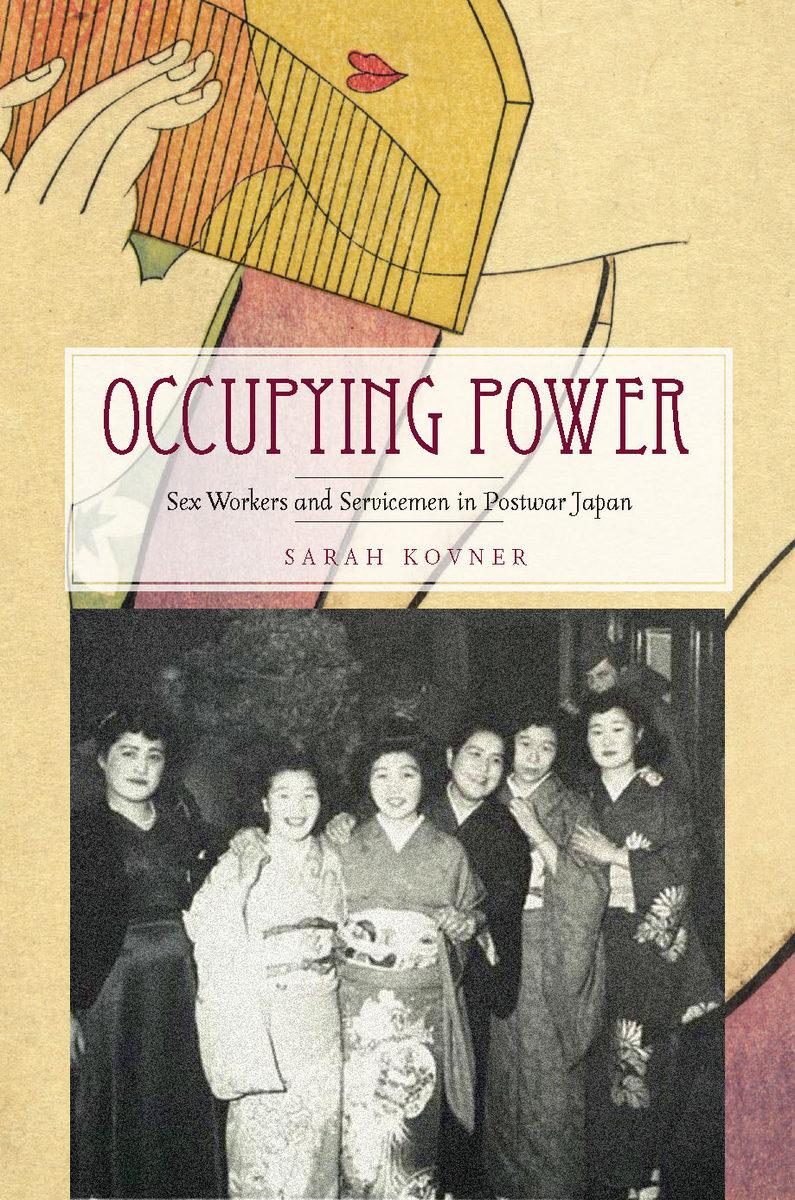
The year was 1945. Hundreds of thousands of Allied troops poured into war-torn Japan and spread throughout the country. The effect of this influx on the local population did not lessen in the years following the war's end. In fact, the presence of foreign servicemen also heightened the visibility of certain others, particularly panpan—streetwalkers—who were objects of their desire.
Occupying Power shows how intimate histories and international relations are interconnected in ways scholars have only begun to explore. Sex workers who catered to servicemen were integral to the postwar economic recovery, yet they were nonetheless blamed for increases in venereal disease and charged with diluting the Japanese race by producing mixed-race offspring. In 1956, Japan passed its first national law against prostitution, which produced an unanticipated effect. By ending a centuries-old tradition of sex work regulation, it made sex workers less visible and more vulnerable. This probing history reveals an important but underexplored aspect of the Japanese occupation and its effect on gender and society. It shifts the terms of debate on a number of controversies, including Japan's history of forced sexual slavery, rape accusations against U.S. servicemen, opposition to U.S. overseas bases, and sexual trafficking.
Maksa helposti kortilla, Klarnalla, Apple Paylla tai Google Paylla. Etkö ole tyytyväinen? Sinulla on aina 14 päivän palautusoikeus. Lue lisää ehdoistamme. Jos sinulla on kysyttävää, lähetä meille sähköpostia osoitteeseen hello@memmo.org.
Memmo tekee opiskelusta helpompaa – missä päin maailmaa ikinä oletkin. Meillä yhdistät kurssikirjat ja fiksut opiskelutyökalut yhteen paikkaan: tiivistelmät, visat, podcastit ja muistikortit. Ja sitten Ted, opiskelukaverisi, joka vastaa kaikkeen, mitä ikinä mietitkin. Yli 50 000 opiskelijaa opiskelee jo täällä – rakennettu auttamaan sinua oppimaan nopeammin ja stressaamaan vähemmän.