
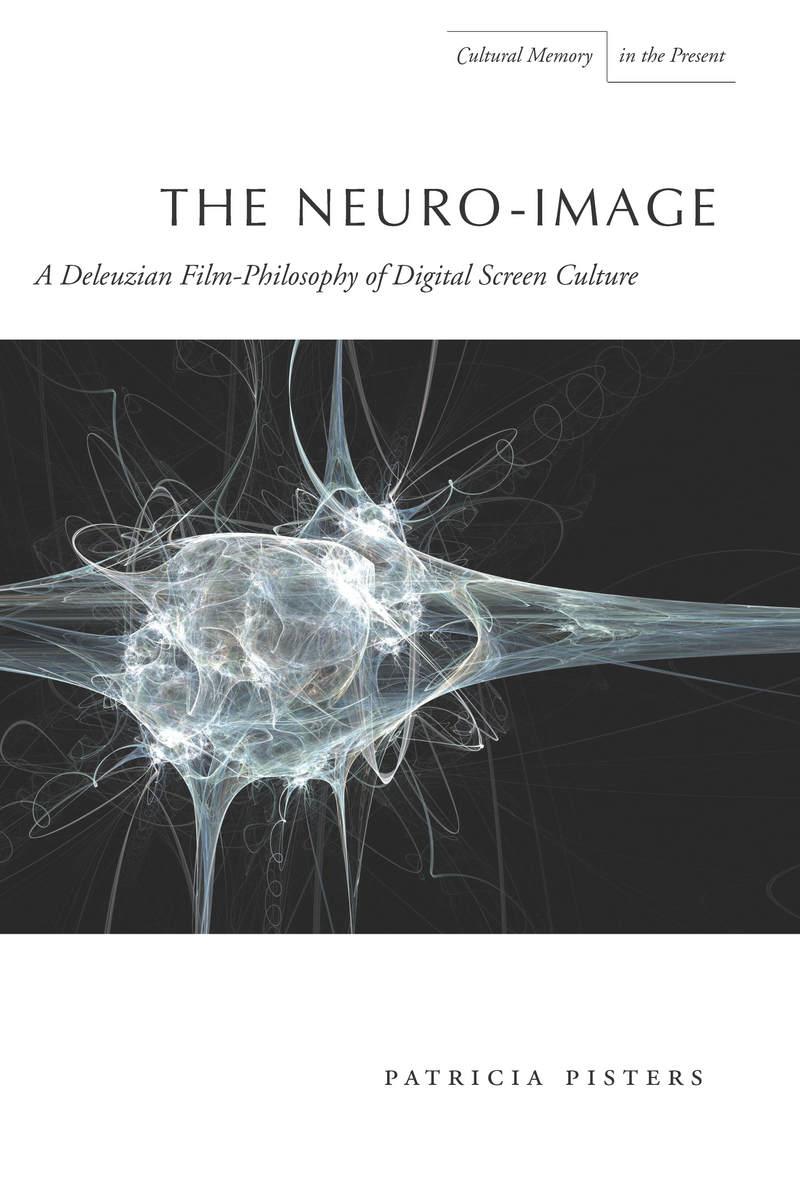
Arguing that today's viewers move through a character's brain instead of looking through his or her eyes or mental landscape, this book approaches twenty-first-century globalized cinema through the concept of the "neuro-image." Pisters explains why this concept has emerged now, and she elaborates its threefold nature through research from three domains—Deleuzian (schizoanalytic) philosophy, digital networked screen culture, and neuroscientific research. These domains return in the book's tripartite structure. Part One, on the brain as "neuroscreen," suggests rich connections between film theory, mental illness, and cognitive neuroscience. Part Two explores neuro-images from a philosophical perspective, paying close attention to their ontological, epistemological, and aesthetic dimensions. Political and ethical aspects of the neuro-image are discussed in Part Three. Topics covered along the way include the omnipresence of surveillance, the blurring of the false and the real and the affective powers of the neo-baroque, and the use of neuro-images in politics, historical memory, and war.
Maksa helposti kortilla, Klarnalla, Apple Paylla tai Google Paylla. Etkö ole tyytyväinen? Sinulla on aina 14 päivän palautusoikeus. Lue lisää ehdoistamme. Jos sinulla on kysyttävää, lähetä meille sähköpostia osoitteeseen hello@memmo.org.
Memmo tekee opiskelusta helpompaa – missä päin maailmaa ikinä oletkin. Meillä yhdistät kurssikirjat ja fiksut opiskelutyökalut yhteen paikkaan: tiivistelmät, visat, podcastit ja muistikortit. Ja sitten Ted, opiskelukaverisi, joka vastaa kaikkeen, mitä ikinä mietitkin. Yli 50 000 opiskelijaa opiskelee jo täällä – rakennettu auttamaan sinua oppimaan nopeammin ja stressaamaan vähemmän.