
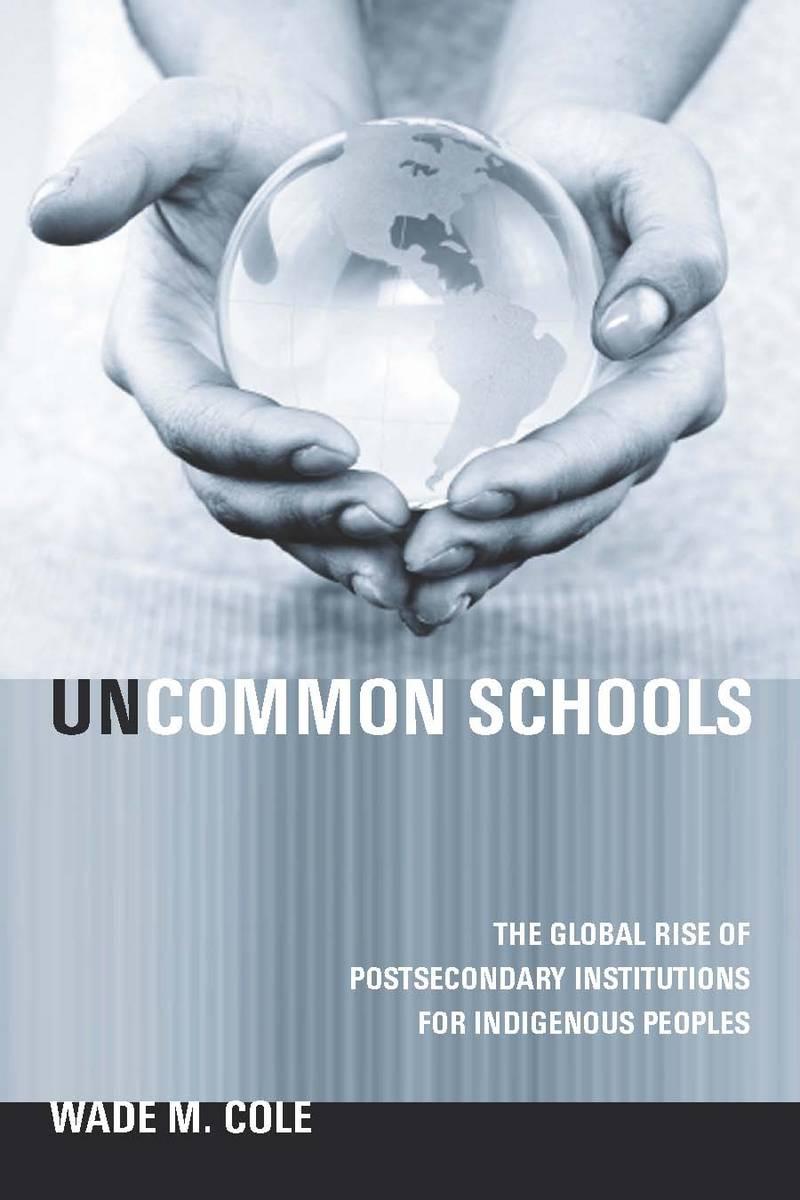
Postsecondary institutions for indigenous peoples emerged in the late 1960s, just as other special purpose colleges based on gender or race began to close. What accounts for the emergence of these distinctive institutions? Though indigenous students are among the least populous, the poorest, and the most educationally disadvantaged in the world, they differ from most other racial, ethnic, cultural, and linguistic minorities by virtue of their exceptional claims to sovereignty under international and domestic law.
Uncommon Schools explores the emergence of postsecondary institutions for indigenous peoples worldwide, with a focus on developments in the United States, Canada, Australia, and New Zealand. Providing the opportunity to examine larger social, political, and legal processes, it traces the incorporation of indigenous peoples into nation-states, the rise of a global indigenous rights movement, and the "massification" of postsecondary education while investigating the variety of ways these culturally relevant colleges differ from each other and from other postsecondary institutions.
Maksa helposti kortilla, Klarnalla, Apple Paylla tai Google Paylla. Etkö ole tyytyväinen? Sinulla on aina 14 päivän palautusoikeus. Lue lisää ehdoistamme. Jos sinulla on kysyttävää, lähetä meille sähköpostia osoitteeseen hello@memmo.org.
Memmo tekee opiskelusta helpompaa – missä päin maailmaa ikinä oletkin. Meillä yhdistät kurssikirjat ja fiksut opiskelutyökalut yhteen paikkaan: tiivistelmät, visat, podcastit ja muistikortit. Ja sitten Ted, opiskelukaverisi, joka vastaa kaikkeen, mitä ikinä mietitkin. Yli 50 000 opiskelijaa opiskelee jo täällä – rakennettu auttamaan sinua oppimaan nopeammin ja stressaamaan vähemmän.