
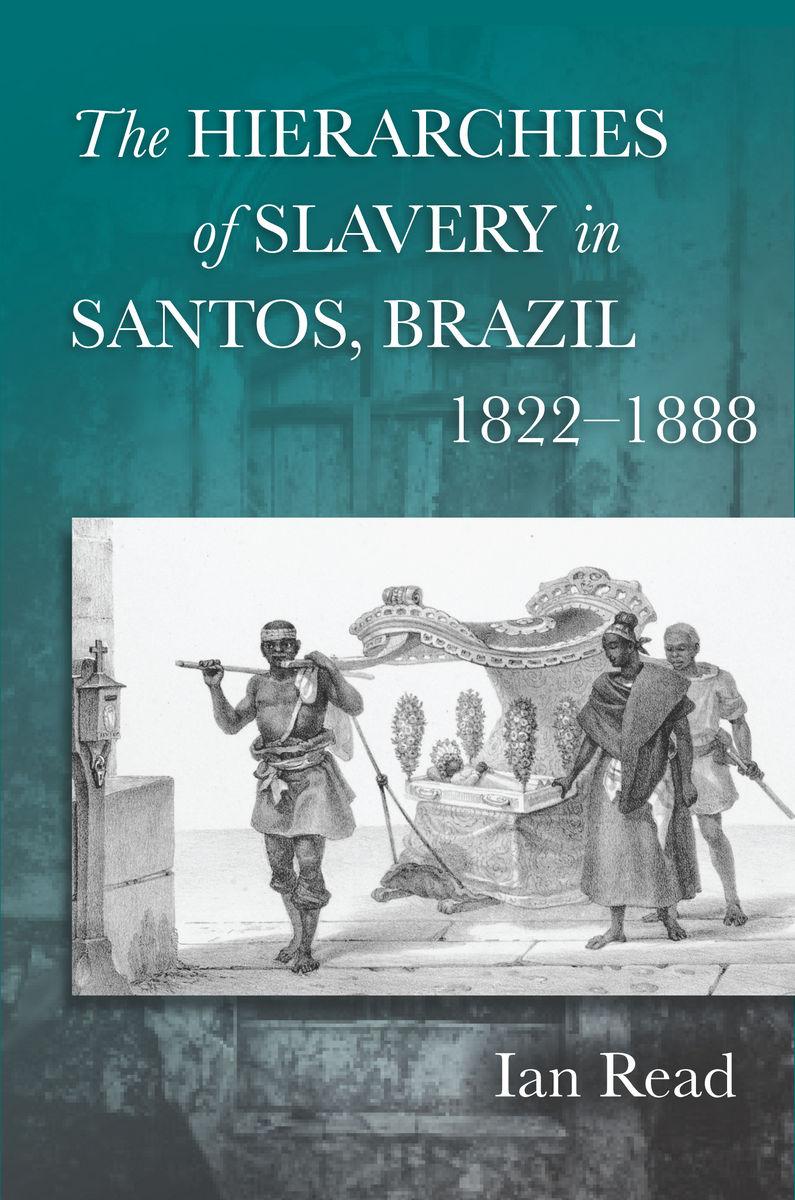
Despite the inherent brutality of slavery, some slaves could find small but important opportunities to act decisively. The Hierarchies of Slavery in Santos, Brazil, 1822–1888 explores such moments of opportunity and resistance in Santos, a Southeastern township in Imperial Brazil. It argues that slavery in Brazil was hierarchical: slaves' fleeting chances to form families, work jobs that would not kill or maim, avoid debilitating diseases, or find a (legal or illegal) pathway out of slavery were highly influenced by their demographic background and their owners' social position. By tracing the lives of slaves and owners through multiple records, the author is able to show that the cruelties that slaves faced were not equally shared. One important implication is that internal stratification likely helped perpetuate slavery because there was the belief, however illusionary, that escaping captivity was not necessary for social mobility.
Maksa helposti kortilla, Klarnalla, Apple Paylla tai Google Paylla. Etkö ole tyytyväinen? Sinulla on aina 14 päivän palautusoikeus. Lue lisää ehdoistamme. Jos sinulla on kysyttävää, lähetä meille sähköpostia osoitteeseen hello@memmo.org.
Memmo tekee opiskelusta helpompaa – missä päin maailmaa ikinä oletkin. Meillä yhdistät kurssikirjat ja fiksut opiskelutyökalut yhteen paikkaan: tiivistelmät, visat, podcastit ja muistikortit. Ja sitten Ted, opiskelukaverisi, joka vastaa kaikkeen, mitä ikinä mietitkin. Yli 50 000 opiskelijaa opiskelee jo täällä – rakennettu auttamaan sinua oppimaan nopeammin ja stressaamaan vähemmän.