
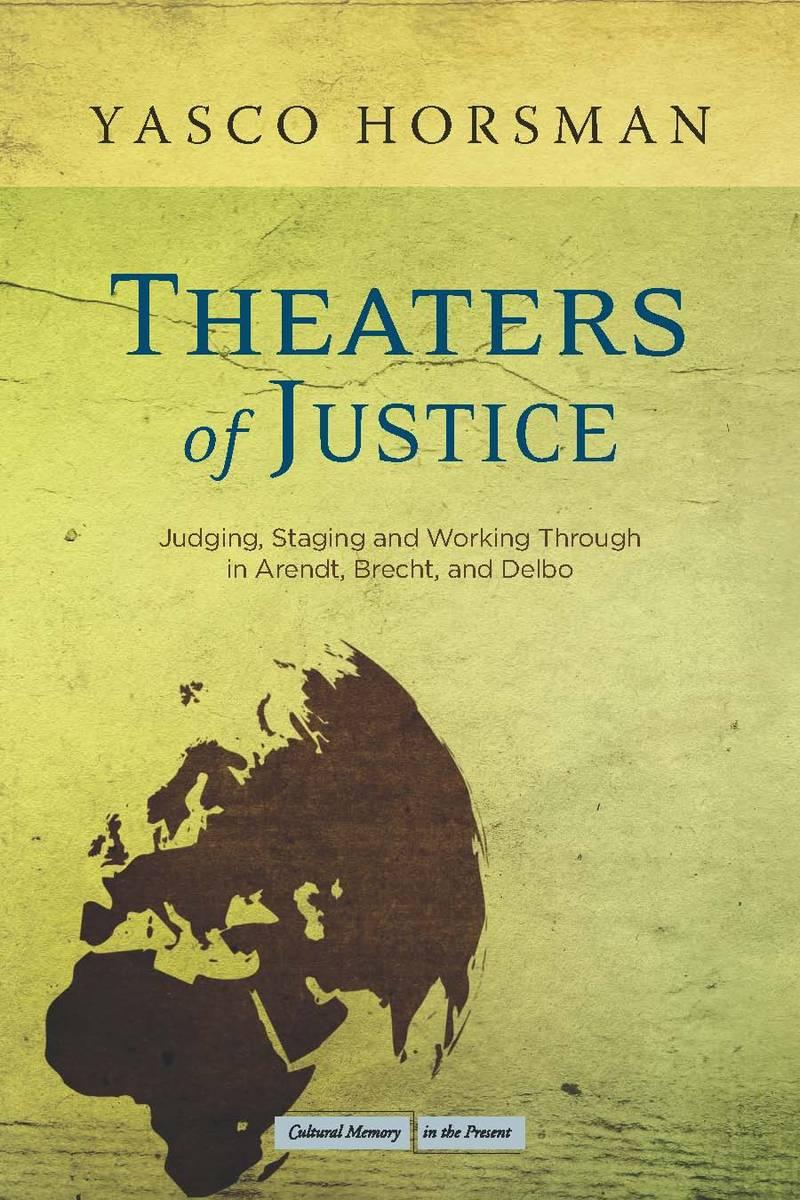
What role do legal trials have in collective processes of coming to terms with a history of mass violence? How does the theatrical structure of a criminal trial facilitate and limit national processes of healing and learning from the past? This study begins with the widely publicized, historic trials of three Nazi war criminals, Eichmann, Barbie, and Priebke, whose explicit goal was not only to punish, but also to establish an officially sanctioned version of the past. The Truth and Reconciliation commissions in South America and South Africa added a therapeutic goal, acting on the belief that a trial can help bring about a moment of closure.
Horsman challenges this belief by reading works that reflect on the relations among pedagogy, therapy, and legal trials. Philosopher Hannah Arendt, poet Charlotte Delbo, and dramaturg Bertolt Brecht all produced responses to historic trials that reopened the cases those trials sought to close, bringing to center stage aspects that had escaped the confines of their legal frameworks.
Maksa helposti kortilla, Klarnalla, Apple Paylla tai Google Paylla. Etkö ole tyytyväinen? Sinulla on aina 14 päivän palautusoikeus. Lue lisää ehdoistamme. Jos sinulla on kysyttävää, lähetä meille sähköpostia osoitteeseen hello@memmo.org.
Memmo tekee opiskelusta helpompaa – missä päin maailmaa ikinä oletkin. Meillä yhdistät kurssikirjat ja fiksut opiskelutyökalut yhteen paikkaan: tiivistelmät, visat, podcastit ja muistikortit. Ja sitten Ted, opiskelukaverisi, joka vastaa kaikkeen, mitä ikinä mietitkin. Yli 50 000 opiskelijaa opiskelee jo täällä – rakennettu auttamaan sinua oppimaan nopeammin ja stressaamaan vähemmän.