
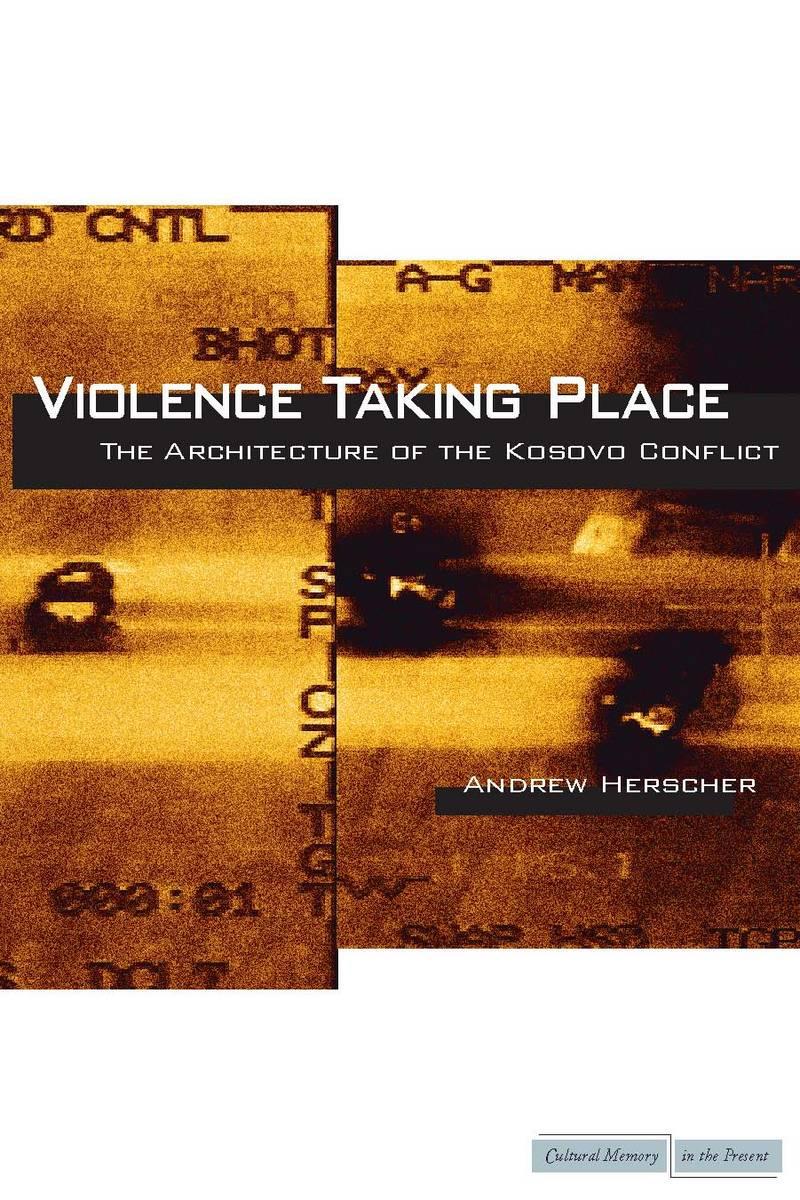
While the construction of architecture has a place in architectural discourse, its destruction, generally seen as incompatible with the very idea of "culture," has been neglected in theoretical and historical discussion. Responding to this neglect, Herscher examines the case of the former Yugoslavia and in particular, Kosovo, where targeting architecture has been a prominent dimension of political violence. Rather than interpreting violence against architecture as a mere representation of "deeper" social, political, or ideological dynamics, Herscher reveals it to be a form of cultural production, irreducible to its contexts and formative of the identities and agencies that seemingly bear on it as causes. Focusing on the particular sites where violence is inflicted and where its subjects and objects are articulated, the book traces the intersection of violence and architecture from socialist modernization, through ethnic and nationalist conflict, to postwar reconstruction.
Maksa helposti kortilla, Klarnalla, Apple Paylla tai Google Paylla. Etkö ole tyytyväinen? Sinulla on aina 14 päivän palautusoikeus. Lue lisää ehdoistamme. Jos sinulla on kysyttävää, lähetä meille sähköpostia osoitteeseen hello@memmo.org.
Memmo tekee opiskelusta helpompaa – missä päin maailmaa ikinä oletkin. Meillä yhdistät kurssikirjat ja fiksut opiskelutyökalut yhteen paikkaan: tiivistelmät, visat, podcastit ja muistikortit. Ja sitten Ted, opiskelukaverisi, joka vastaa kaikkeen, mitä ikinä mietitkin. Yli 50 000 opiskelijaa opiskelee jo täällä – rakennettu auttamaan sinua oppimaan nopeammin ja stressaamaan vähemmän.