
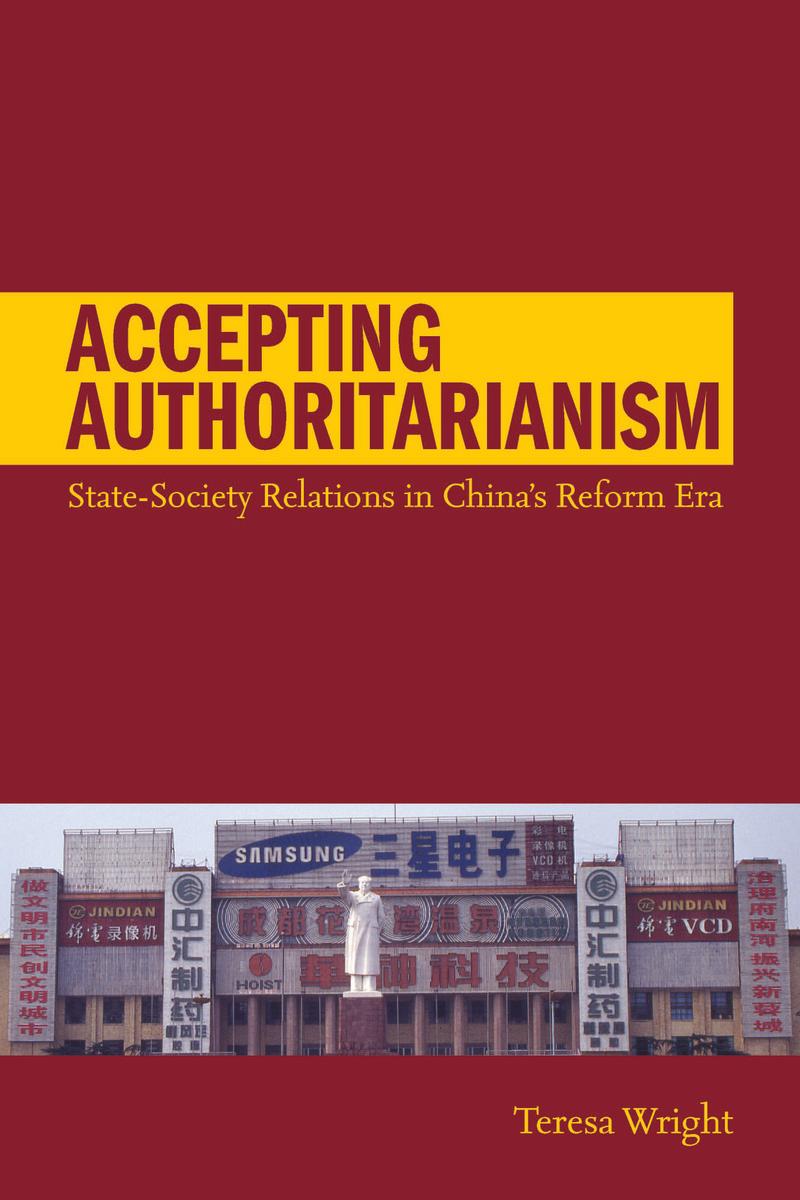
Why hasn't the emergence of capitalism led China's citizenry to press for liberal democratic change? This book argues that China's combination of state-led development, late industrialization, and socialist legacies have affected popular perceptions of socioeconomic mobility, economic dependence on the state, and political options, giving citizens incentives to perpetuate the political status quo and disincentives to embrace liberal democratic change.
Wright addresses the ways in which China's political and economic development shares broader features of state-led late industrialization and post-socialist transformation with countries as diverse as Mexico, India, Tunisia, Indonesia, South Korea, Brazil, Russia, and Vietnam.
With its detailed analysis of China's major socioeconomic groups (private entrepreneurs, state sector workers, private sector workers, professionals and students, and farmers), Accepting Authoritarianism is an up-to-date, comprehensive, and coherent text on the evolution of state-society relations in reform-era China.
Maksa helposti kortilla, Klarnalla, Apple Paylla tai Google Paylla. Etkö ole tyytyväinen? Sinulla on aina 14 päivän palautusoikeus. Lue lisää ehdoistamme. Jos sinulla on kysyttävää, lähetä meille sähköpostia osoitteeseen hello@memmo.org.
Memmo tekee opiskelusta helpompaa – missä päin maailmaa ikinä oletkin. Meillä yhdistät kurssikirjat ja fiksut opiskelutyökalut yhteen paikkaan: tiivistelmät, visat, podcastit ja muistikortit. Ja sitten Ted, opiskelukaverisi, joka vastaa kaikkeen, mitä ikinä mietitkin. Yli 50 000 opiskelijaa opiskelee jo täällä – rakennettu auttamaan sinua oppimaan nopeammin ja stressaamaan vähemmän.