
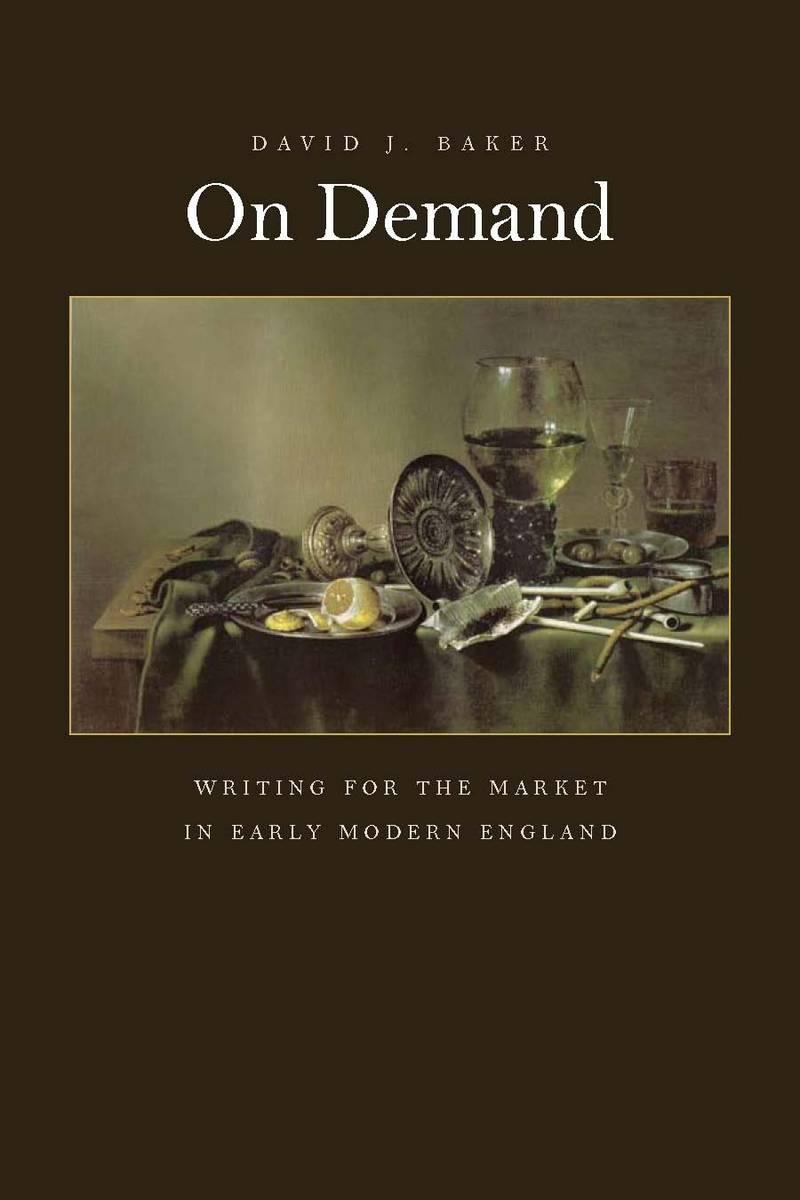
In early modern England, while moralists railed against the theater as wasteful and depraved and inflation whittled away at the value of wages, people attended the theater in droves. On Demand draws on recent economic history and theory to account for this puzzling consumer behavior. He shows that during this period demand itself, with its massed acquisitive energies, transformed the English economy. Over the long sixteenth-century consumption burgeoned, though justifications for it lagged behind. People were in a curious predicament: they practiced consumption on a mass scale but had few acceptable reasons for doing so. In the literary marketplace, authors became adept at accommodating such contradictions fashioning works that spoke to self-divided consumers: Thomas Nashe castigated and satiated them at the same time . William Shakespeare satirized credit problems. Ben Jonson investigated the problems of global trade, and Robert Burton enlisted readers in a project of economic betterment.
Maksa helposti kortilla, Klarnalla, Apple Paylla tai Google Paylla. Etkö ole tyytyväinen? Sinulla on aina 14 päivän palautusoikeus. Lue lisää ehdoistamme. Jos sinulla on kysyttävää, lähetä meille sähköpostia osoitteeseen hello@memmo.org.
Memmo tekee opiskelusta helpompaa – missä päin maailmaa ikinä oletkin. Meillä yhdistät kurssikirjat ja fiksut opiskelutyökalut yhteen paikkaan: tiivistelmät, visat, podcastit ja muistikortit. Ja sitten Ted, opiskelukaverisi, joka vastaa kaikkeen, mitä ikinä mietitkin. Yli 50 000 opiskelijaa opiskelee jo täällä – rakennettu auttamaan sinua oppimaan nopeammin ja stressaamaan vähemmän.