
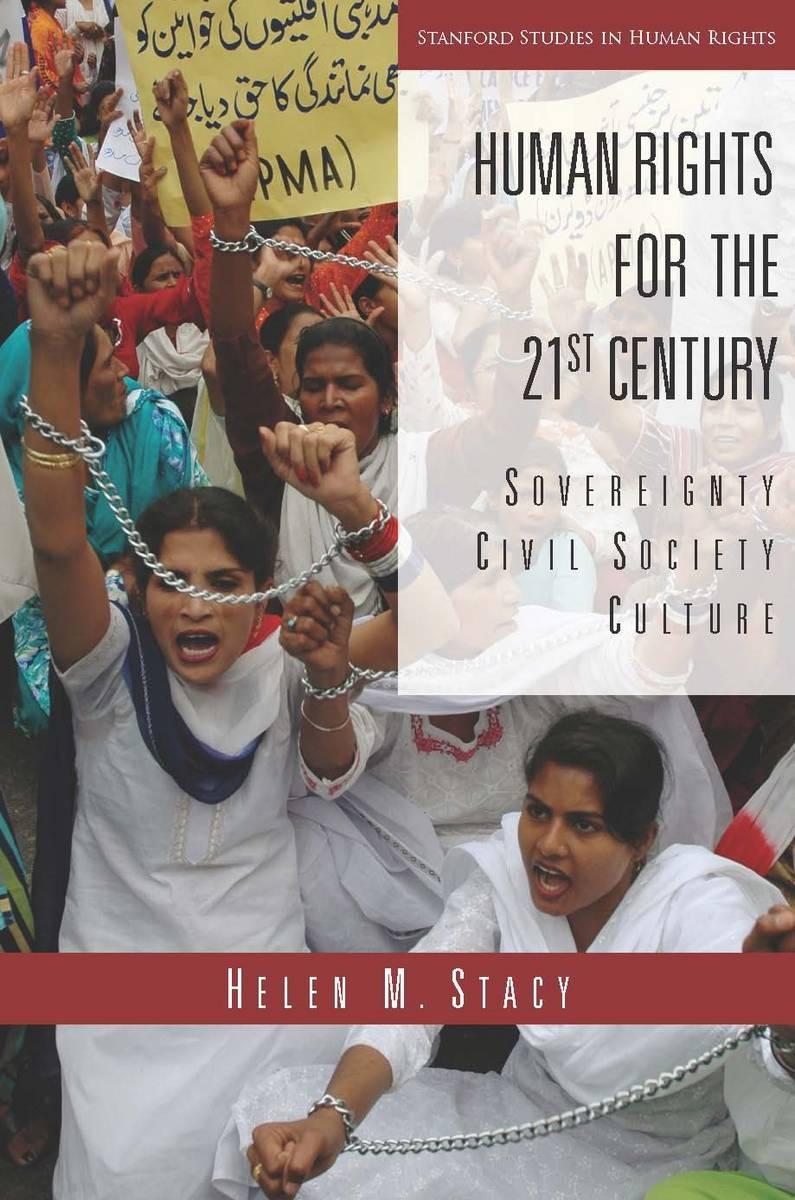
A new moral, ethical, and legal framework is needed for international human rights law. Never in human history has there been such an elaborate international system for human rights, yet from massive disasters, such as the Darfur genocide, to everyday tragedies, such as female genital mutilation, human rights abuses continue at an alarming rate. As the world population increases and global trade brings new wealth as well as new problems, international law can and should respond better to those who live in fear of violence, neglect, or harm.
Modern critiques global human rights fall into three categories: sovereignty, culture, and civil society. These are not new problems, but have long been debated as part of the legal philosophical tradition. Taking lessons from tradition and recasting them in contemporary light, Helen Stacy proposes new approaches to fill the gaps in current approaches: relational sovereignty, reciprocal adjudication, and regional human rights. She forcefully argues that law and courts must play a vital role in forging a better human rights vision in the future.
Maksa helposti kortilla, Klarnalla, Apple Paylla tai Google Paylla. Etkö ole tyytyväinen? Sinulla on aina 14 päivän palautusoikeus. Lue lisää ehdoistamme. Jos sinulla on kysyttävää, lähetä meille sähköpostia osoitteeseen hello@memmo.org.
Memmo tekee opiskelusta helpompaa – missä päin maailmaa ikinä oletkin. Meillä yhdistät kurssikirjat ja fiksut opiskelutyökalut yhteen paikkaan: tiivistelmät, visat, podcastit ja muistikortit. Ja sitten Ted, opiskelukaverisi, joka vastaa kaikkeen, mitä ikinä mietitkin. Yli 50 000 opiskelijaa opiskelee jo täällä – rakennettu auttamaan sinua oppimaan nopeammin ja stressaamaan vähemmän.