
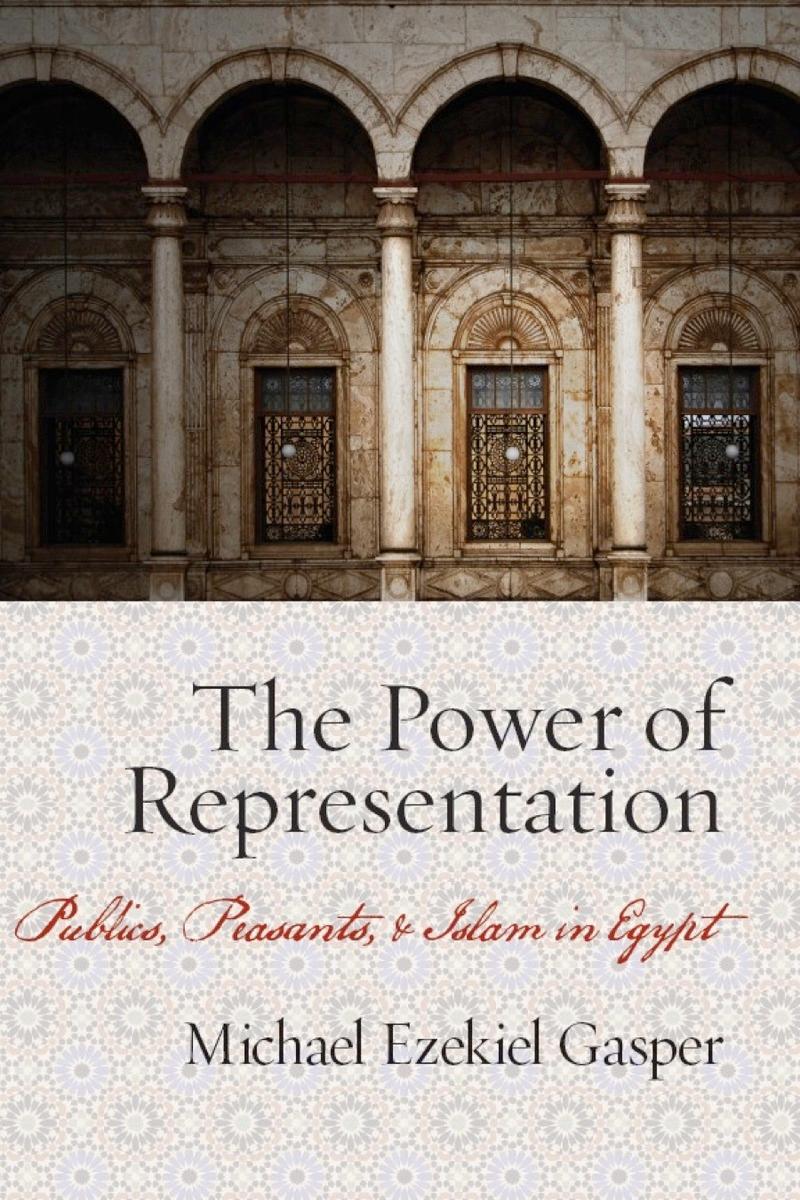
The Power of Representation traces the emergence of modern Egyptian national identity from the mid-1870s through the 1910s. During this period, a new class of Egyptian urban intellectuals—teachers, lawyers, engineers, clerks, accountants, and journalists—came into prominence. Adapting modern ideas of individual moral autonomy and universal citizenship, this group reconfigured religiously informed notions of the self and created a national sense of "Egyptian-ness" drawn from ideas about Egypt's large peasant population.
The book breaks new ground by calling into question the notion, common in historiography of the modern Middle East and the Muslim world in general, that in the nineteenth century "secular" aptitudes and areas of competency were somehow separate from "religious" ones. Instead, by tying the burgeoning Islamic modernist movement to the process of identity formation and its attendant political questions Michael Gasper shows how religion became integral to modern Egyptian political, social, and cultural life.
Maksa helposti kortilla, Klarnalla, Apple Paylla tai Google Paylla. Etkö ole tyytyväinen? Sinulla on aina 14 päivän palautusoikeus. Lue lisää ehdoistamme. Jos sinulla on kysyttävää, lähetä meille sähköpostia osoitteeseen hello@memmo.org.
Memmo tekee opiskelusta helpompaa – missä päin maailmaa ikinä oletkin. Meillä yhdistät kurssikirjat ja fiksut opiskelutyökalut yhteen paikkaan: tiivistelmät, visat, podcastit ja muistikortit. Ja sitten Ted, opiskelukaverisi, joka vastaa kaikkeen, mitä ikinä mietitkin. Yli 50 000 opiskelijaa opiskelee jo täällä – rakennettu auttamaan sinua oppimaan nopeammin ja stressaamaan vähemmän.