
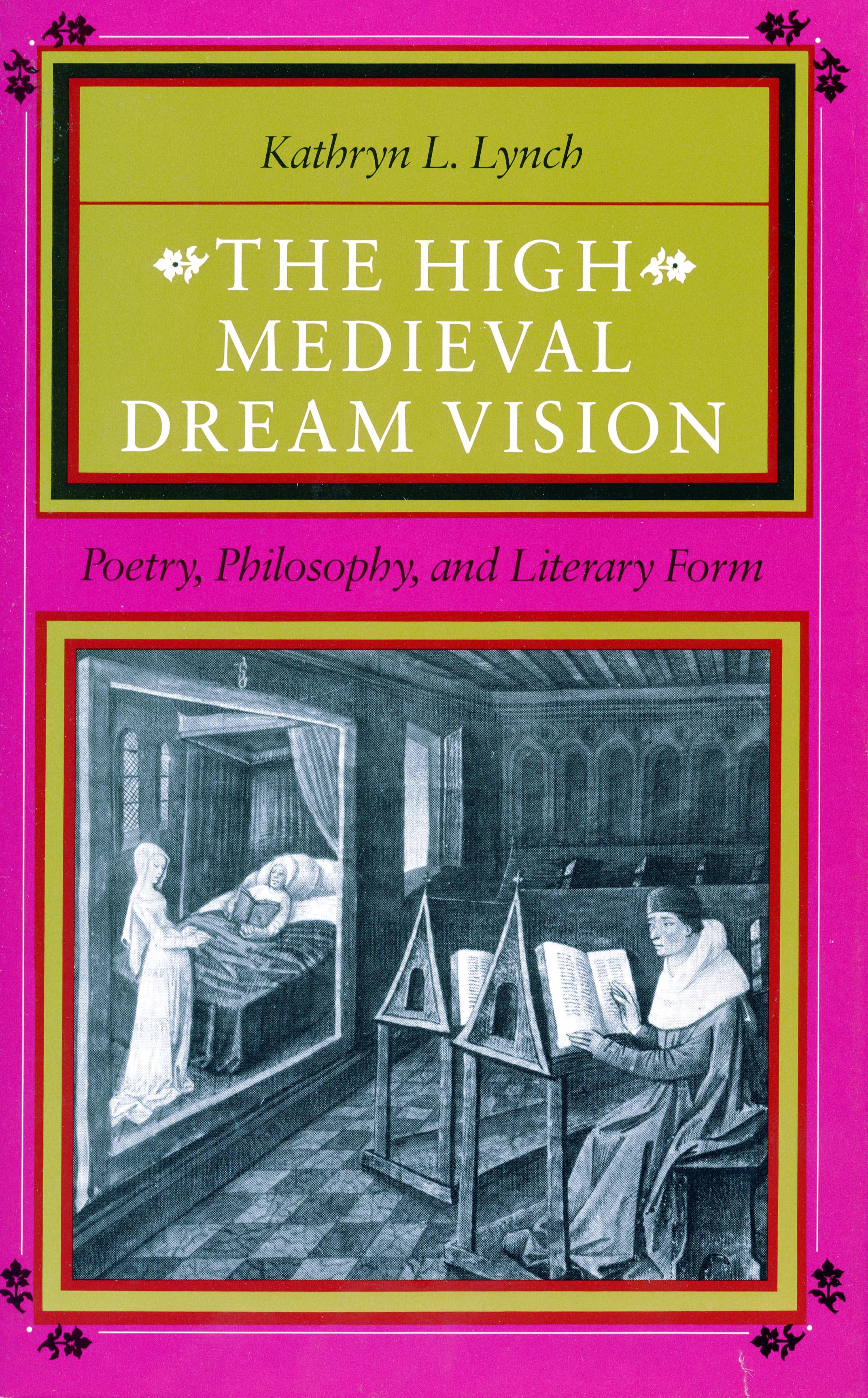
In the High Middle Ages, the dream narrative was an enormously popular and influential form. Along with the romance, it was perhaps the genre of the age. It has come down to us in such classics twelfth to fourteenth-century classics as The Divine Comedy, the Romance of the Rose, Piers Plowman, Chaucer's early poetry, and the works of Guillaume de Machaut. This book redefines the dream vision by attending to its role in philosophical debate of the time, a conservative role in defense of the high medieval synthesis of reason and revelation. Lynch shows how the epistemological basis of this synthesis and the theories of visions that emerged from it drew on Arabic commentaries of Aristotle. These theories informed poetic visions modeled on Boethius's Consolation of Philosophy, a work she discusses in detail before turning to Alain de Lille, Jean de Meun, and Dante. A final section, on John Gower's Confessio Amantis shows how fourteenth and fifteenth-century writers extended and finally moved beyond the conventional form of the dream vision.
Maksa helposti kortilla, Klarnalla, Apple Paylla tai Google Paylla. Etkö ole tyytyväinen? Sinulla on aina 14 päivän palautusoikeus. Lue lisää ehdoistamme. Jos sinulla on kysyttävää, lähetä meille sähköpostia osoitteeseen hello@memmo.org.
Memmo tekee opiskelusta helpompaa – missä päin maailmaa ikinä oletkin. Meillä yhdistät kurssikirjat ja fiksut opiskelutyökalut yhteen paikkaan: tiivistelmät, visat, podcastit ja muistikortit. Ja sitten Ted, opiskelukaverisi, joka vastaa kaikkeen, mitä ikinä mietitkin. Yli 50 000 opiskelijaa opiskelee jo täällä – rakennettu auttamaan sinua oppimaan nopeammin ja stressaamaan vähemmän.