
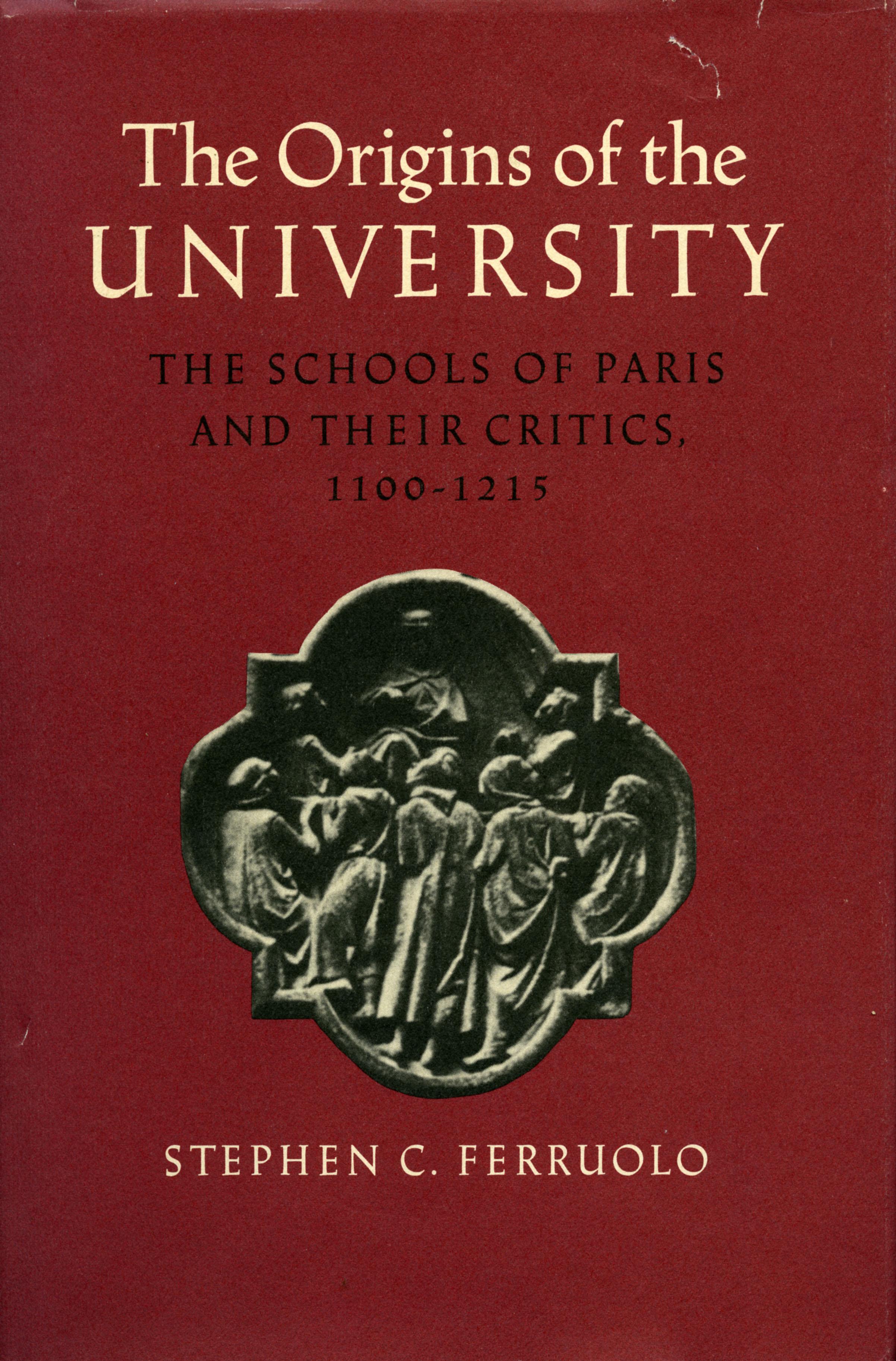
The University of Paris is generally regarded as the first true university, the model for others not only in France but throughout Europe, including Oxford and Cambridge. This book challenges two prevailing myths about the university's origins: first, that the university naturally developed to meet the utilitarian and professional needs of European society in the late Middle Ages, and second, that it was the product of the struggle by scholars to gain freedom and autonomy from external authorities, most notably church officials.
In the twelfth century, Paris was the educational center of Europe, with a large number of schools and masters attracting and competing for students. Over the decades, the schools of Paris had many critics—monastic reformers, humanists, satirists, and moralists—and the focus of this book is the role such critics played in developing the schools into a university. Ferruolo argues that it was the educational values and ideas promoted by the critics—ideas of the unity of knowledge, the need to share learning freely and willingly, and the higher purposes and social importance of education—that first inspired the scholars of Paris to join together to form a single guild. Their programs for educational reforms can be seen in the first set of statues promulgated for the nascent University of Paris in 1215.
Maksa helposti kortilla, Klarnalla, Apple Paylla tai Google Paylla. Etkö ole tyytyväinen? Sinulla on aina 14 päivän palautusoikeus. Lue lisää ehdoistamme. Jos sinulla on kysyttävää, lähetä meille sähköpostia osoitteeseen hello@memmo.org.
Memmo tekee opiskelusta helpompaa – missä päin maailmaa ikinä oletkin. Meillä yhdistät kurssikirjat ja fiksut opiskelutyökalut yhteen paikkaan: tiivistelmät, visat, podcastit ja muistikortit. Ja sitten Ted, opiskelukaverisi, joka vastaa kaikkeen, mitä ikinä mietitkin. Yli 50 000 opiskelijaa opiskelee jo täällä – rakennettu auttamaan sinua oppimaan nopeammin ja stressaamaan vähemmän.
Saatat pitää myös näistä
Osta kirja0