
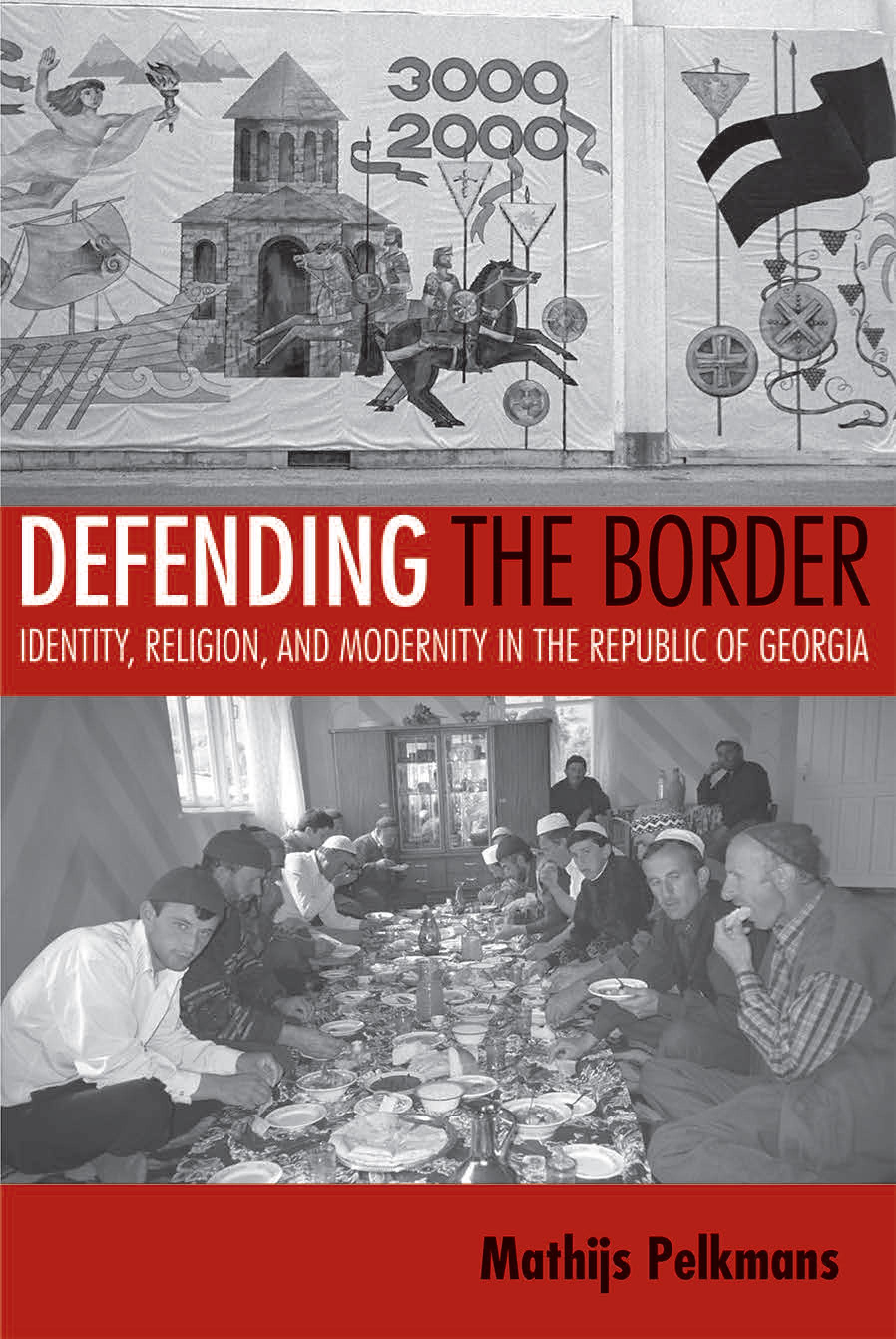
This book, one of the first in English about everyday life in the Republic of Georgia, describes how people construct identity in a rapidly changing border region. Based on extensive ethnographic research, it illuminates the myriad ways residents of the Caucasus have rethought who they are since the collapse of the Soviet Union. Through an exploration of three towns in the southwest corner of Georgia, all of which are situated close to the Turkish frontier, Mathijs Pelkmans shows how social and cultural boundaries took on greater importance in the years of transition, when such divisions were expected to vanish.
By tracing the fears, longings, and disillusionment that border dwellers projected on the Iron Curtain, Pelkmans demonstrates how elements of culture formed along and in response to territorial divisions, and how these elements became crucial in attempts to rethink the border after its physical rigidities dissolved in the 1990s. The new boundary-drawing activities had the effect of grounding and reinforcing Soviet constructions of identity, even though they were part of the process of overcoming and dismissing the past. Ultimately, Pelkmans finds that the opening of the border paradoxically inspired a newfound appreciation for the previously despised Iron Curtain as something that had provided protection and was still worth defending.
Maksa helposti kortilla, Klarnalla, Apple Paylla tai Google Paylla. Etkö ole tyytyväinen? Sinulla on aina 14 päivän palautusoikeus. Lue lisää ehdoistamme. Jos sinulla on kysyttävää, lähetä meille sähköpostia osoitteeseen hello@memmo.org.
Memmo tekee opiskelusta helpompaa – missä päin maailmaa ikinä oletkin. Meillä yhdistät kurssikirjat ja fiksut opiskelutyökalut yhteen paikkaan: tiivistelmät, visat, podcastit ja muistikortit. Ja sitten Ted, opiskelukaverisi, joka vastaa kaikkeen, mitä ikinä mietitkin. Yli 50 000 opiskelijaa opiskelee jo täällä – rakennettu auttamaan sinua oppimaan nopeammin ja stressaamaan vähemmän.