
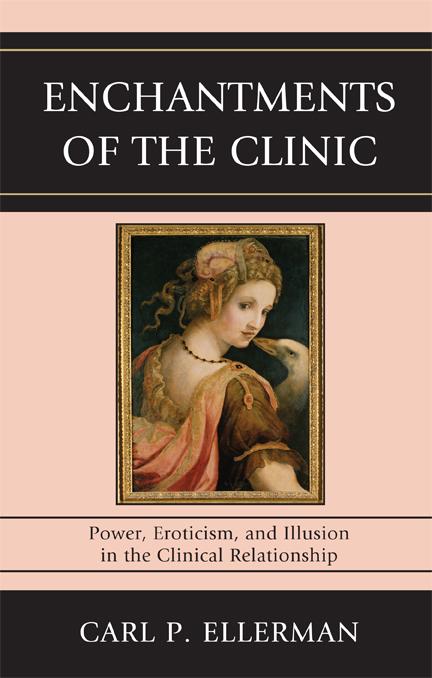
Reflecting on his experience in the clinical trenches, a pragmatic existential therapist offers a provocative study of power, erotic influence, and illusion in the clinical relationship. Written in a conversational style that makes a challenging subject accessible to specialists in the clinical professions, teachers and students of the psychological disciplines, and scholars in the humanities and social sciences, Enchantments of the Clinic introduces readers to interesting ways in which language, ideas, and speech as well as illusions of the clinical station enable therapists to cast an unintentional spell that captivates and charms unsuspecting patients. Exposing this suggestive underworld of clinical experience, where the high-stakes game of persuasive dialogical therapy is often won or lost, critical attention is focused on the erotization of the clinic, the erotization of the clinician, and the erotization of clinical confession. Using dramatic examples from clinical practice, Carl P. Ellerman challenges prevailing dogmas of the therapeutic to demonstrate his thesis that enchantments of the clinic facilitate psychological healing if managed well, but if mismanaged, these volatile erotic enchantments may undermine the struggle against emotional illness in the clinical trenches.
This ambitious study of the clinical relationship also addresses the disturbing fact that we are dwelling in a postmodern era in which clinical nihilism is flourishing. Ellerman conceives the dialogical therapist as a potentially dangerous, ethically vulnerable therapeutic artiste, whose strategic encounters in the postmodern clinic may be likened to aesthetic experiences in which an education to reality and a love of truth are obsolete or irrelevant, notwithstanding a clinical masquerade that reinforces in spellbound patients a blind trust in the phantastic therapist's honesty, truthfulness, and intellectual integrity. Embracing the Socratic mystique, Ellerman offers a vigorous philosophic critique of clinical nihilism
This ambitious study of the clinical relationship also addresses the disturbing fact that we are dwelling in a postmodern era in which clinical nihilism is flourishing. Ellerman conceives the dialogical therapist as a potentially dangerous, ethically vulnerable therapeutic artiste, whose strategic encounters in the postmodern clinic may be likened to aesthetic experiences in which an education to reality and a love of truth are obsolete or irrelevant, notwithstanding a clinical masquerade that reinforces in spellbound patients a blind trust in the phantastic therapist's honesty, truthfulness, and intellectual integrity. Embracing the Socratic mystique, Ellerman offers a vigorous philosophic critique of clinical nihilism
Maksa helposti kortilla, Klarnalla, Apple Paylla tai Google Paylla. Etkö ole tyytyväinen? Sinulla on aina 14 päivän palautusoikeus. Lue lisää ehdoistamme. Jos sinulla on kysyttävää, lähetä meille sähköpostia osoitteeseen hello@memmo.org.
Memmo tekee opiskelusta helpompaa – missä päin maailmaa ikinä oletkin. Meillä yhdistät kurssikirjat ja fiksut opiskelutyökalut yhteen paikkaan: tiivistelmät, visat, podcastit ja muistikortit. Ja sitten Ted, opiskelukaverisi, joka vastaa kaikkeen, mitä ikinä mietitkin. Yli 50 000 opiskelijaa opiskelee jo täällä – rakennettu auttamaan sinua oppimaan nopeammin ja stressaamaan vähemmän.