
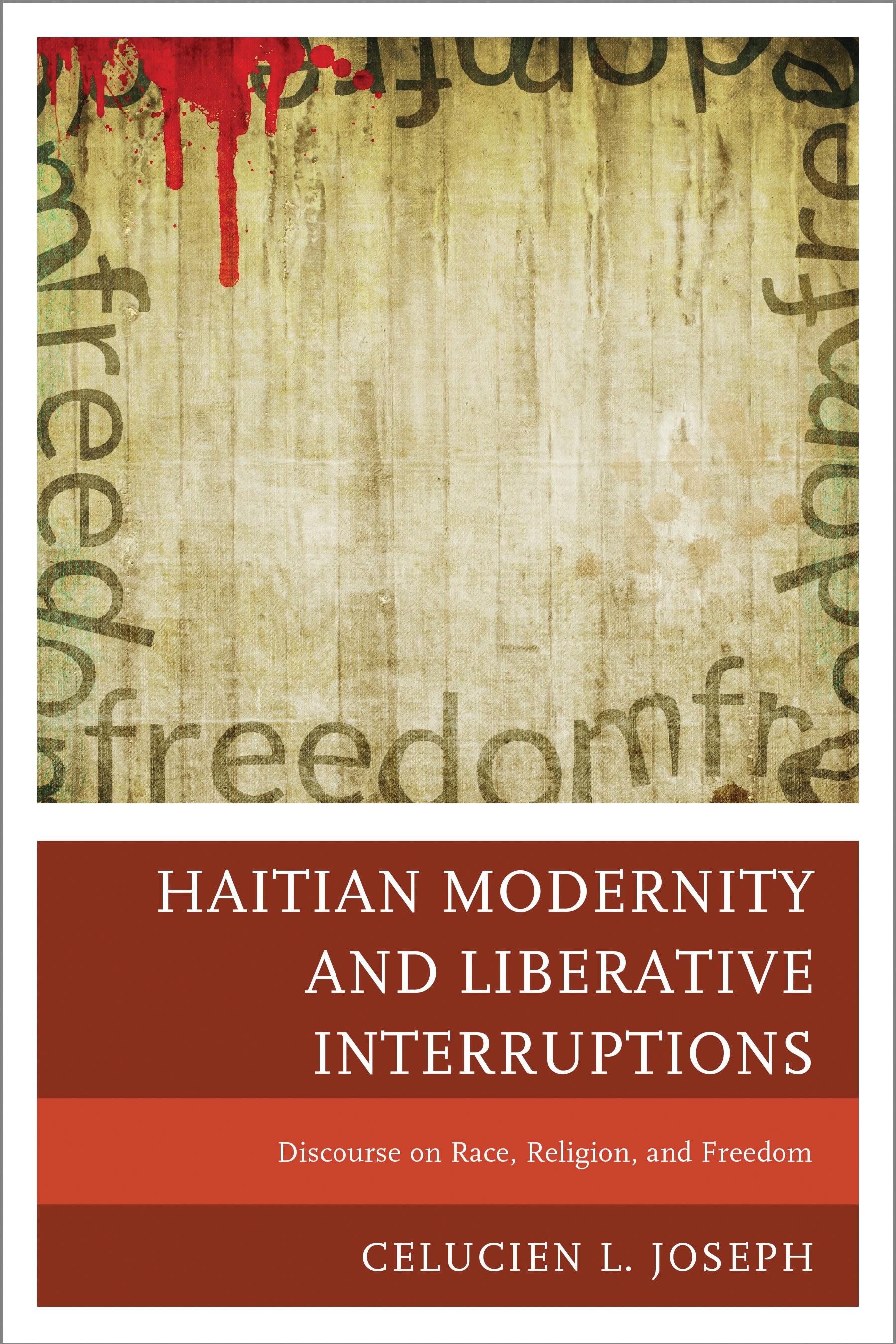
Haitian Modernity and Liberative Interruptions investigates the intersections of history, literature, race, religion, decolonization, and freedom that led to the founding of the postcolonial state of Haiti in 1804. Particular attention is given to the place of religion in the Haitian Revolution, as well as to the interpretation and representation of this singular event in the work of Frederick Douglass and Langston Hughes. This book not only examines the multiple legacies and the problems of Enlightenment modernity, imperial colonialism, Western racism, and hegemony, but also studies their complex relationships with the institutions of slavery, religion, and Black freedom. Topics range from Makandal’s postcolonial religious imagination to Boukman’s liberation theology to Langston Hughes’ discussion of the role of prophetic religion in the Haitian Revolution. Haitian Modernity and Liberative Interruptions also compares Du Bois’s theory of double consciousness with Fanon’s theory of decolonization and revolutionary humanism.
Maksa helposti kortilla, Klarnalla, Apple Paylla tai Google Paylla. Etkö ole tyytyväinen? Sinulla on aina 14 päivän palautusoikeus. Lue lisää ehdoistamme. Jos sinulla on kysyttävää, lähetä meille sähköpostia osoitteeseen hello@memmo.org.
Memmo tekee opiskelusta helpompaa – missä päin maailmaa ikinä oletkin. Meillä yhdistät kurssikirjat ja fiksut opiskelutyökalut yhteen paikkaan: tiivistelmät, visat, podcastit ja muistikortit. Ja sitten Ted, opiskelukaverisi, joka vastaa kaikkeen, mitä ikinä mietitkin. Yli 50 000 opiskelijaa opiskelee jo täällä – rakennettu auttamaan sinua oppimaan nopeammin ja stressaamaan vähemmän.