
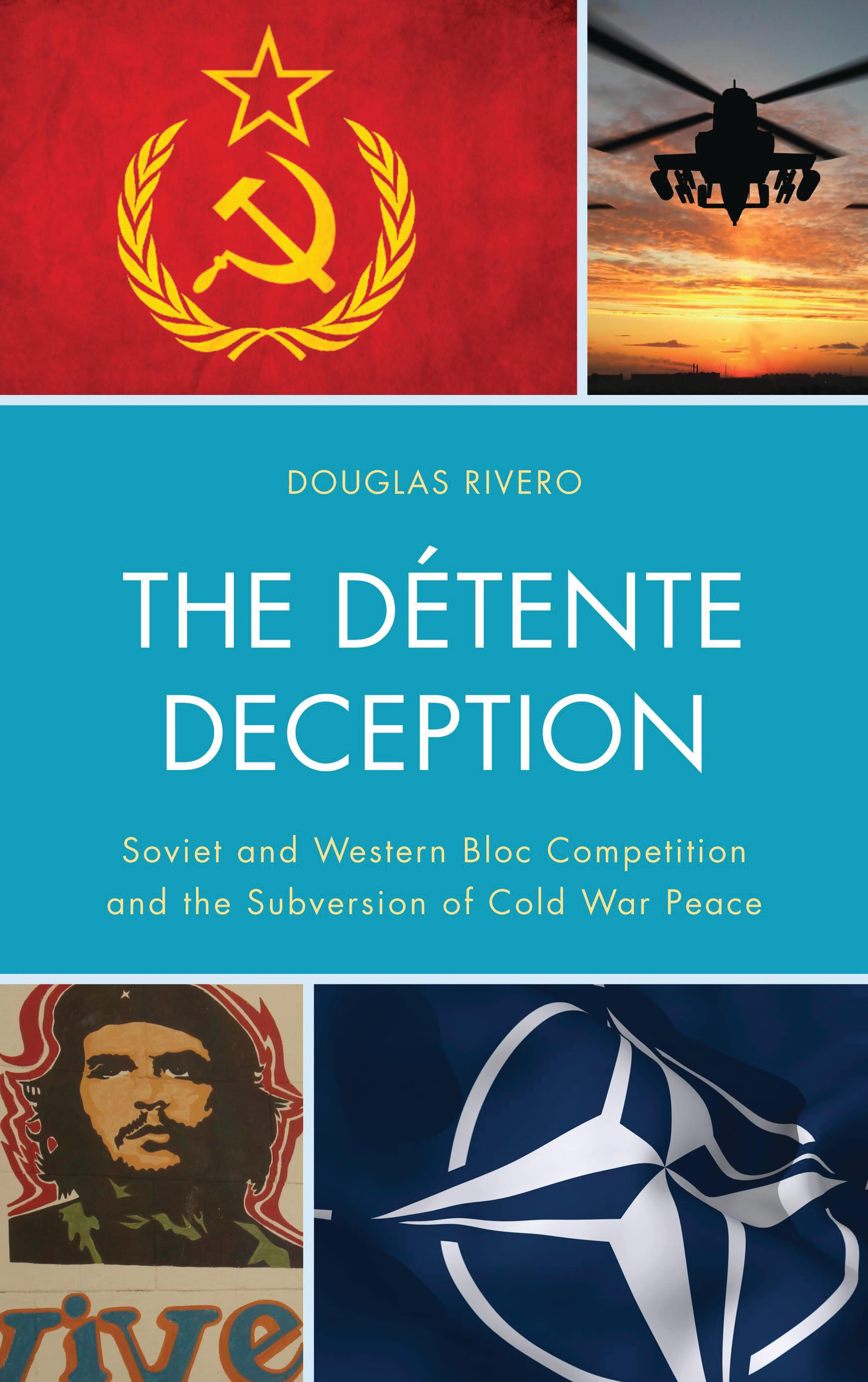
The Détente Deception examines the competition between the U.S.-led Western bloc and the Soviet bloc in the less developed world during the final years of Détente. Rivero assesses whether or not the Soviet bloc pushed for strategic gains in the Third World and whether this contributed to the U.S. decision to abandon Détente in 1979. This view is articulated by many acclaimed scholars such as Stephen Walt (1992), John Gaddis (1997), and Vladislav Zubok (2007). They make the case that during the final years of Détente and throughout the 1980s, U.S. policy in places such as Nicaragua and Angola was a calculated response to Soviet aggression in the less-developed world.
This book challenges this position as the quantitative evidence points to U.S. aggression. Not only did the Western bloc push to maintain dominance over the Third World, archival evidence also suggests the US made significant efforts in Eastern Europe and Afghanistan during the final years of Détente to dismantle the Soviet bloc.
This book challenges this position as the quantitative evidence points to U.S. aggression. Not only did the Western bloc push to maintain dominance over the Third World, archival evidence also suggests the US made significant efforts in Eastern Europe and Afghanistan during the final years of Détente to dismantle the Soviet bloc.
Maksa helposti kortilla, Klarnalla, Apple Paylla tai Google Paylla. Etkö ole tyytyväinen? Sinulla on aina 14 päivän palautusoikeus. Lue lisää ehdoistamme. Jos sinulla on kysyttävää, lähetä meille sähköpostia osoitteeseen hello@memmo.org.
Memmo tekee opiskelusta helpompaa – missä päin maailmaa ikinä oletkin. Meillä yhdistät kurssikirjat ja fiksut opiskelutyökalut yhteen paikkaan: tiivistelmät, visat, podcastit ja muistikortit. Ja sitten Ted, opiskelukaverisi, joka vastaa kaikkeen, mitä ikinä mietitkin. Yli 50 000 opiskelijaa opiskelee jo täällä – rakennettu auttamaan sinua oppimaan nopeammin ja stressaamaan vähemmän.