
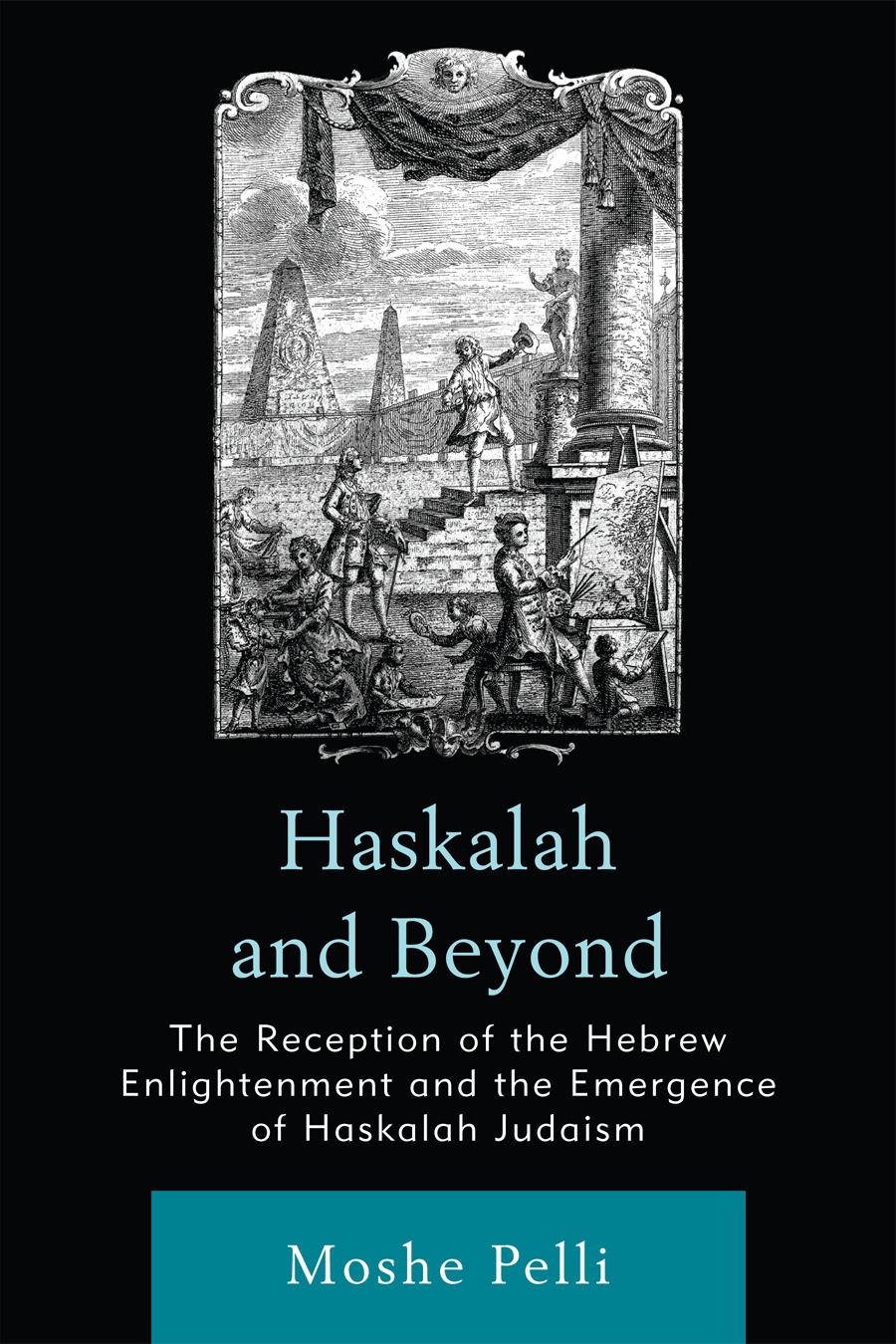
Haskalah and Beyond deals with the Hebrew Haskalah (Enlightenment) - the literary, cultural, and social movement in the 18th and 19th centuries in Europe.
It represents the emergence of modernism and perhaps the budding of some aspects of secularism in Jewish society, following the efforts of the Hebrew and Jewish enlighteners to introduce changes into Jewish culture and Jewish life, and to revitalize the Hebrew language and literature.
The author classifies these activities as a "cultural revolution." In effect, the Haskalah was a counter-culture intended to modify or replace some of the contemporary rabbinic cultural framework, institutions, and practices and adopt them for its own envisioned "Judaism of the Haskalah."
The pioneering work of the "founding fathers" of the early Haskalah had greatly impacted the later developments of the Haskalah in the 19th century. Its reception in that century is studied as is the reception of one of the major figures of the early Haskalah, Isaac Euchel, and of one of the important German Enlightenment poets and philosophers, Johann Gottfried Herder, in the 19th-century Haskalah.
The study of reception continues on the language of the sublime and the poetic imagery used in Haskalah, melitzah, as well as on the three major journals of Haskalah as instruments of change and of disseminating the Haskalah ideology. Finally, the aftermath of the Haskalah is addressed.
It represents the emergence of modernism and perhaps the budding of some aspects of secularism in Jewish society, following the efforts of the Hebrew and Jewish enlighteners to introduce changes into Jewish culture and Jewish life, and to revitalize the Hebrew language and literature.
The author classifies these activities as a "cultural revolution." In effect, the Haskalah was a counter-culture intended to modify or replace some of the contemporary rabbinic cultural framework, institutions, and practices and adopt them for its own envisioned "Judaism of the Haskalah."
The pioneering work of the "founding fathers" of the early Haskalah had greatly impacted the later developments of the Haskalah in the 19th century. Its reception in that century is studied as is the reception of one of the major figures of the early Haskalah, Isaac Euchel, and of one of the important German Enlightenment poets and philosophers, Johann Gottfried Herder, in the 19th-century Haskalah.
The study of reception continues on the language of the sublime and the poetic imagery used in Haskalah, melitzah, as well as on the three major journals of Haskalah as instruments of change and of disseminating the Haskalah ideology. Finally, the aftermath of the Haskalah is addressed.
Sivuja: 266
Kategoria: Litteraturvetenskap & Teori
e-ISBN: 9780761852049
Lähetyspaino: 1.2 kg
Toimitusaika: 1-2 päivää
Maksa helposti kortilla, Klarnalla, Apple Paylla tai Google Paylla. Etkö ole tyytyväinen? Sinulla on aina 14 päivän palautusoikeus. Lue lisää ehdoistamme. Jos sinulla on kysyttävää, lähetä meille sähköpostia osoitteeseen hello@memmo.org.
Memmo tekee opiskelusta helpompaa – missä päin maailmaa ikinä oletkin. Meillä yhdistät kurssikirjat ja fiksut opiskelutyökalut yhteen paikkaan: tiivistelmät, visat, podcastit ja muistikortit. Ja sitten Ted, opiskelukaverisi, joka vastaa kaikkeen, mitä ikinä mietitkin. Yli 50 000 opiskelijaa opiskelee jo täällä – rakennettu auttamaan sinua oppimaan nopeammin ja stressaamaan vähemmän.