
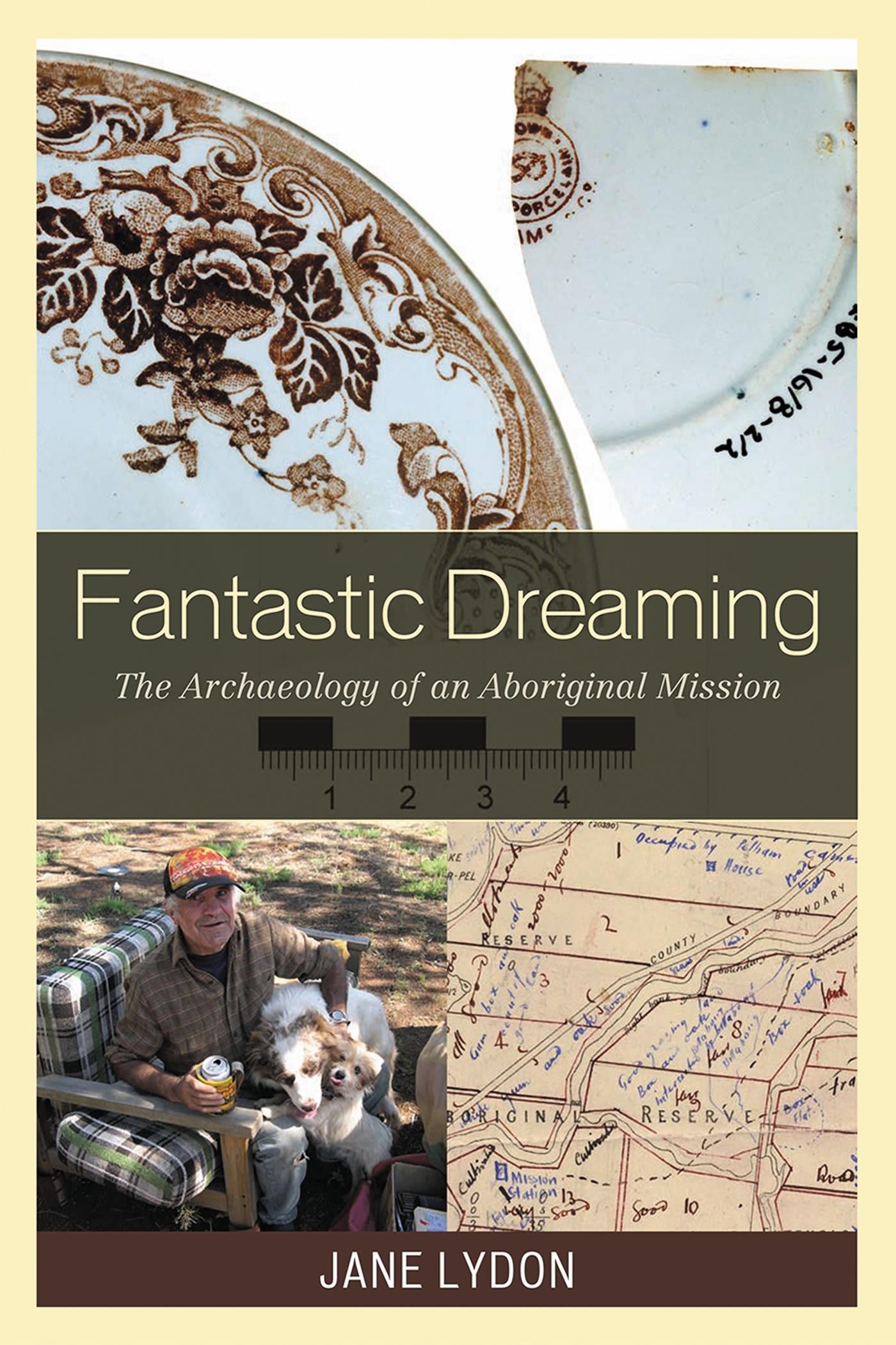
Fantastic Dreaming explores how whites have measured Australian Aboriginal people through their material culture and domestic practices, aspects of culture intimately linked to Enlightenment notions of progress and social institutions such as marriage and property. Archaeological investigation reveals that the Moravian missionaries' attempts to "civilize" the Wergaia-speaking people of northwestern Victoria centered on spatial practices, housing, and the consumption of material goods. After the mission closed in 1904, white observers saw the camp settlements that formed nearby as evidence of Aboriginal incapacity and immorality, rather than as symptoms of exclusion and poverty. Conceptions of transformation as acculturation survived in assimilation policies that envisioned Aboriginal people becoming the same as whites through living in European housing. These ideas persist in archaeological analysis that insists on Aboriginality as otherness and difference, and equates objects with identity. However Wergaia tradition was place-based, and, often invisibly, Indigenous people maintained traditional relationships to kin and country, resisting white authority through strategies of evasion and mobility. This study examines the complex role of material culture and spatial politics in shaping colonial identities and offers a critique of essentialism in archaeological interpretation.
Maksa helposti kortilla, Klarnalla, Apple Paylla tai Google Paylla. Etkö ole tyytyväinen? Sinulla on aina 14 päivän palautusoikeus. Lue lisää ehdoistamme. Jos sinulla on kysyttävää, lähetä meille sähköpostia osoitteeseen hello@memmo.org.
Memmo tekee opiskelusta helpompaa – missä päin maailmaa ikinä oletkin. Meillä yhdistät kurssikirjat ja fiksut opiskelutyökalut yhteen paikkaan: tiivistelmät, visat, podcastit ja muistikortit. Ja sitten Ted, opiskelukaverisi, joka vastaa kaikkeen, mitä ikinä mietitkin. Yli 50 000 opiskelijaa opiskelee jo täällä – rakennettu auttamaan sinua oppimaan nopeammin ja stressaamaan vähemmän.