
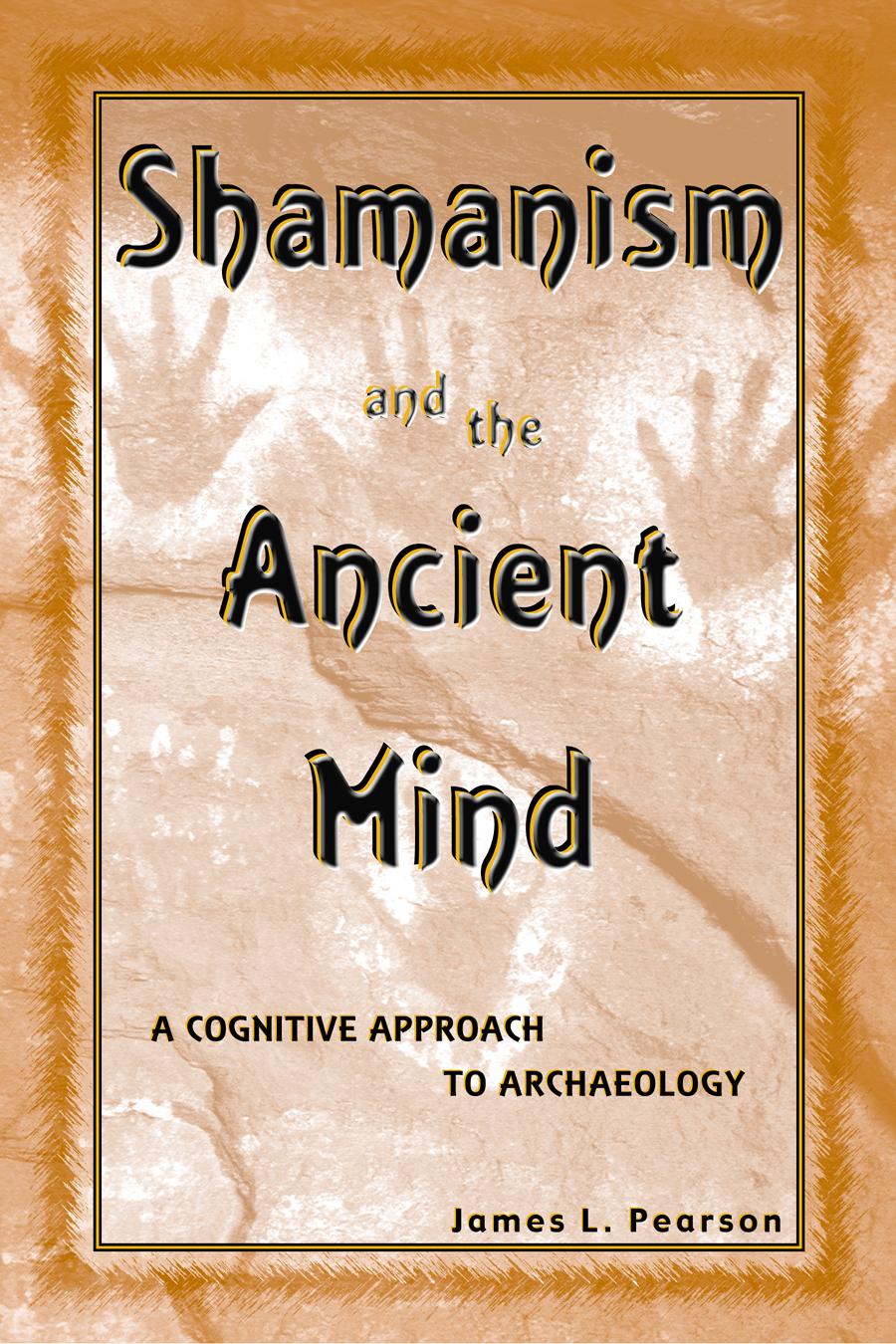
Pearson brings a cogent, well-argued case for the understanding of much prehistoric art as shamanistic practice. Using the theoretical premises of cognitive archaeology and a careful examination of rock art worldwide, Pearson is able to dismiss other theories of why ancient peoples produced art_totemism, art-for-art's sake, structuralism, hunting magic. Then examining both ethnographic and neuropsychological evidence, he makes a strong case for the use of shamanistic ritual and hallucinogenic substances as the genesis of much prehistoric art. Bolstered with examples from contemporary cultures and archaeological sites around the world, Pearson's thesis should be of interest not only to archaeologists, but art historians, psychologists, cultural anthropologist, and the general public.
Maksa helposti kortilla, Klarnalla, Apple Paylla tai Google Paylla. Etkö ole tyytyväinen? Sinulla on aina 14 päivän palautusoikeus. Lue lisää ehdoistamme. Jos sinulla on kysyttävää, lähetä meille sähköpostia osoitteeseen hello@memmo.org.
Memmo tekee opiskelusta helpompaa – missä päin maailmaa ikinä oletkin. Meillä yhdistät kurssikirjat ja fiksut opiskelutyökalut yhteen paikkaan: tiivistelmät, visat, podcastit ja muistikortit. Ja sitten Ted, opiskelukaverisi, joka vastaa kaikkeen, mitä ikinä mietitkin. Yli 50 000 opiskelijaa opiskelee jo täällä – rakennettu auttamaan sinua oppimaan nopeammin ja stressaamaan vähemmän.