
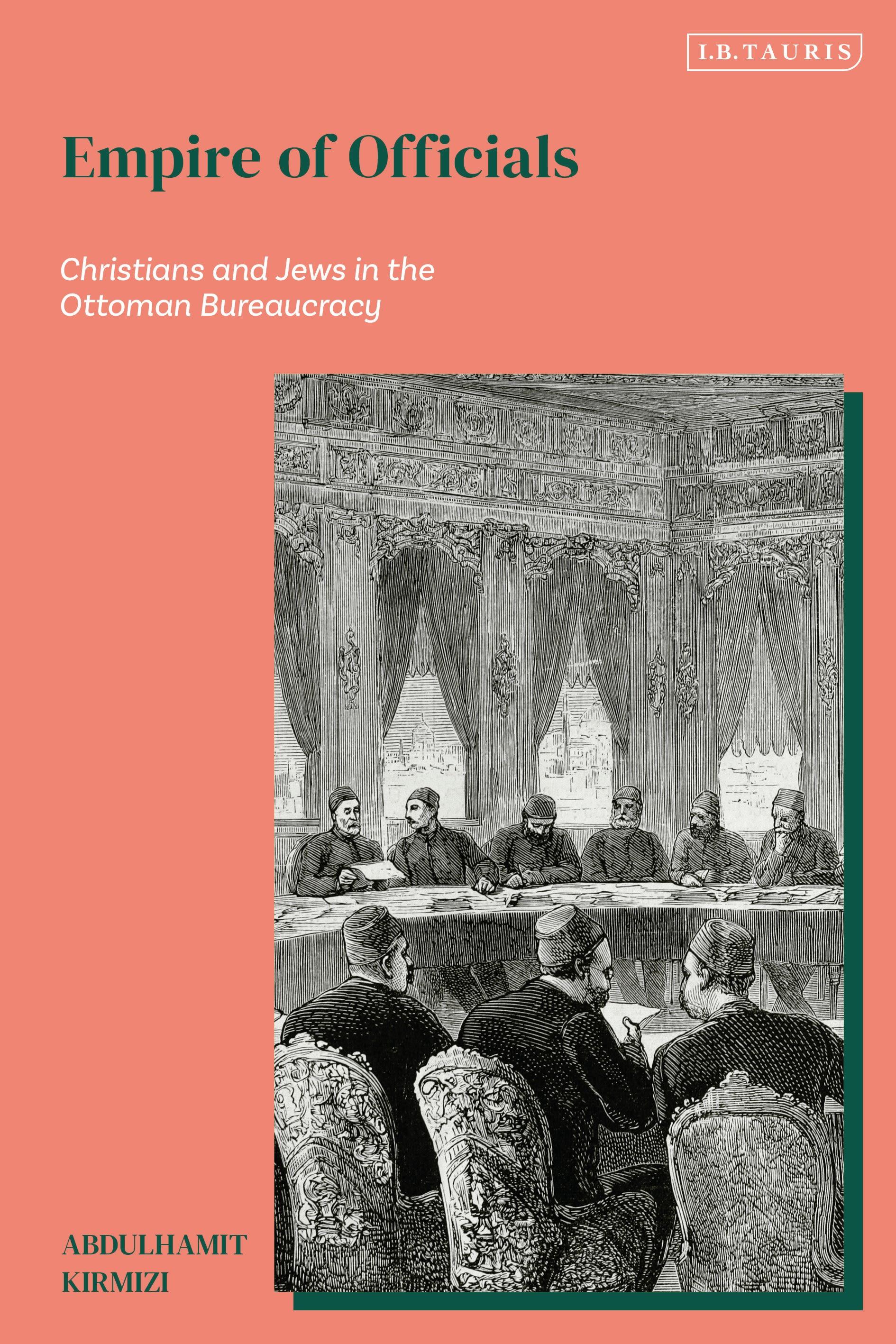
The Ottoman Empire's vast bureaucracy was not solely the domain of Muslim officials. Empire of Officials uncovers the overlooked role of Christians and Jews in the imperial administration, revealing a world where religious difference coexisted with professional collegiality.
Drawing on extensive archival research and prosopographic analysis, the book challenges narratives that portray the Ottoman state as rigidly divided along religious lines. Thousands of non-Muslim officials-from scribes and tax officers to high-ranking administrators and ministers-were indispensable to governance, shaping policies that affected millions. Their presence reveals the complexities of imperial rule, where loyalty, expertise, and pragmatism often outweighed sectarian divisions. Navigating careers within a state undergoing modernization and reform, these officials built networks, wielded influence, and redefined the boundaries of belonging. Focusing on the quantity and qualities of its Armenian, Greek, and Jewish officials, Empire of Officials offers a fresh perspective on Ottoman governance. It complicates conventional understandings of identity and provides a new lens for Ottomanism by showing how the bureaucracy functioned as a multi-confessional space, where professional roles often took precedence over ethnic or religious affiliations. Essential reading for scholars of comparative empires, this book illuminates the intricate intersections of bureaucracy, religion, and state power.
Drawing on extensive archival research and prosopographic analysis, the book challenges narratives that portray the Ottoman state as rigidly divided along religious lines. Thousands of non-Muslim officials-from scribes and tax officers to high-ranking administrators and ministers-were indispensable to governance, shaping policies that affected millions. Their presence reveals the complexities of imperial rule, where loyalty, expertise, and pragmatism often outweighed sectarian divisions. Navigating careers within a state undergoing modernization and reform, these officials built networks, wielded influence, and redefined the boundaries of belonging. Focusing on the quantity and qualities of its Armenian, Greek, and Jewish officials, Empire of Officials offers a fresh perspective on Ottoman governance. It complicates conventional understandings of identity and provides a new lens for Ottomanism by showing how the bureaucracy functioned as a multi-confessional space, where professional roles often took precedence over ethnic or religious affiliations. Essential reading for scholars of comparative empires, this book illuminates the intricate intersections of bureaucracy, religion, and state power.
Maksa helposti kortilla, Klarnalla, Apple Paylla tai Google Paylla. Etkö ole tyytyväinen? Sinulla on aina 14 päivän palautusoikeus. Lue lisää ehdoistamme. Jos sinulla on kysyttävää, lähetä meille sähköpostia osoitteeseen hello@memmo.org.
Memmo tekee opiskelusta helpompaa – missä päin maailmaa ikinä oletkin. Meillä yhdistät kurssikirjat ja fiksut opiskelutyökalut yhteen paikkaan: tiivistelmät, visat, podcastit ja muistikortit. Ja sitten Ted, opiskelukaverisi, joka vastaa kaikkeen, mitä ikinä mietitkin. Yli 50 000 opiskelijaa opiskelee jo täällä – rakennettu auttamaan sinua oppimaan nopeammin ja stressaamaan vähemmän.