
A comparative analysis of Islamist groups' ideological positioning toward nation-state, secularism, and democracy across different countries in the MENA region.
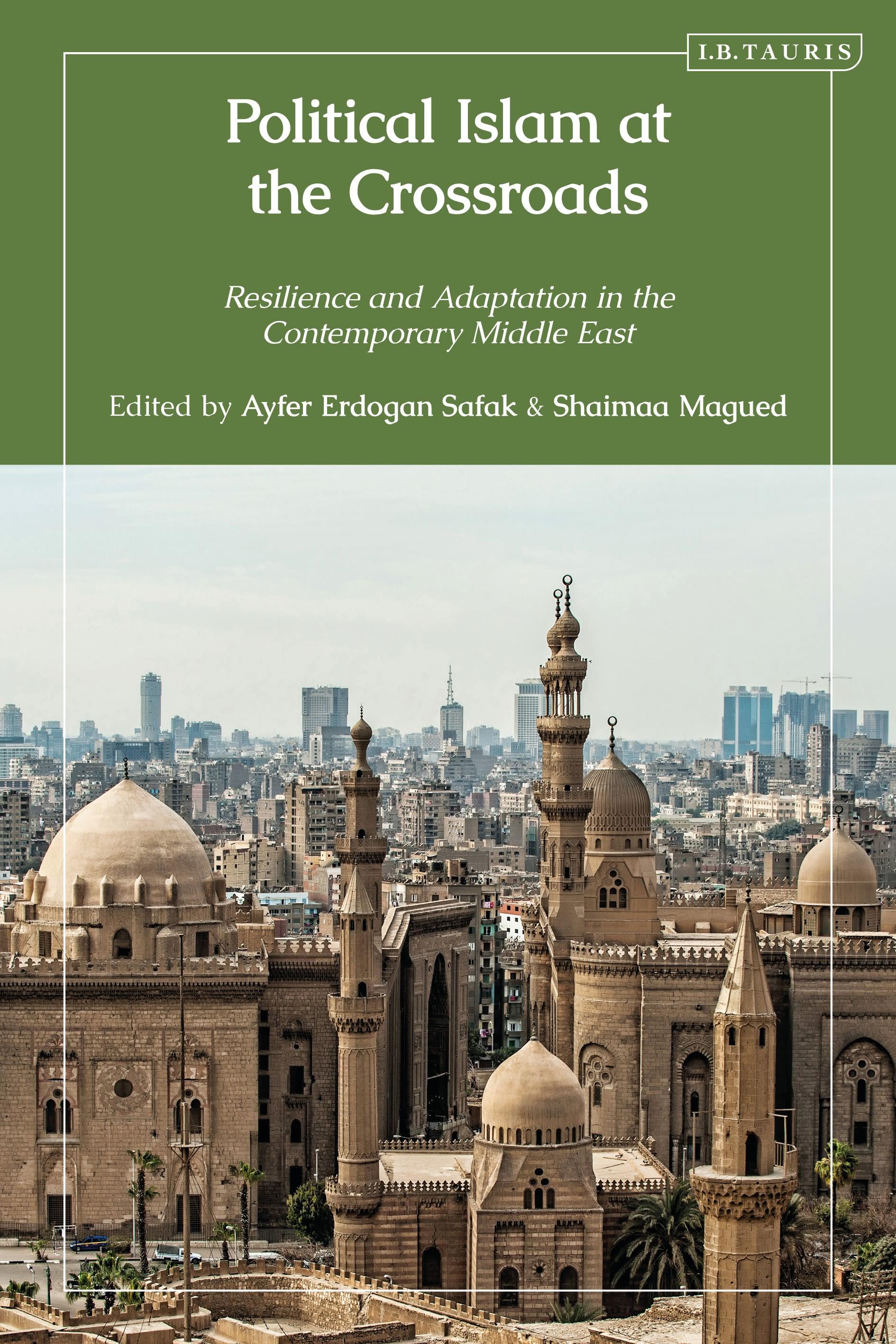
Authoritarian reassertion following the Arab uprisings in the Middle East has restrained Islamists' political participation and challenged their survival as both opposition groups and rulers. In light of national sociopolitical variations across the region, this book explores Islamists' means of adaptation and resilience in the face of this political exclusion, unpacking Islamists' sociopolitical persistence and ideological sustainability.
In doing so this book sheds light on the following questions: How did Islamists adapt to contextual restrictions in terms of repression and stigmatization? How did the Arab uprisings impact their internal debates, ideological revisions, and reconsideration of tools of action? Individual chapters explore similarities and divergences among Islamist groups and parties in terms of ideological affiliations, means of survival and political participation strategies, drawing on comparative cases from across the MENA region. Examples include the Muslim Brotherhood in Egypt, Al-Nahda in Tunisia, the AKP (Justice and Development Party) in Turkey, Hezbollah in Lebanon, Hamas in Palestine, and the Islamic State in Syria and Iraq. These studies engage critically with conceptual debates related to Islamism, post-Islamism, Jihadist Islam, and the Islamic nation/community (ummah) to determine the trajectory of political Islam in the MENA.
Authoritarian reassertion following the Arab uprisings in the Middle East has restrained Islamists' political participation and challenged their survival as both opposition groups and rulers. In light of national sociopolitical variations across the region, this book explores Islamists' means of adaptation and resilience in the face of this political exclusion, unpacking Islamists' sociopolitical persistence and ideological sustainability.
In doing so this book sheds light on the following questions: How did Islamists adapt to contextual restrictions in terms of repression and stigmatization? How did the Arab uprisings impact their internal debates, ideological revisions, and reconsideration of tools of action? Individual chapters explore similarities and divergences among Islamist groups and parties in terms of ideological affiliations, means of survival and political participation strategies, drawing on comparative cases from across the MENA region. Examples include the Muslim Brotherhood in Egypt, Al-Nahda in Tunisia, the AKP (Justice and Development Party) in Turkey, Hezbollah in Lebanon, Hamas in Palestine, and the Islamic State in Syria and Iraq. These studies engage critically with conceptual debates related to Islamism, post-Islamism, Jihadist Islam, and the Islamic nation/community (ummah) to determine the trajectory of political Islam in the MENA.
Sivuja: 272
Kategoria: Statsvetenskap & Politik
e-ISBN: 9780755652402
Lähetyspaino: 1.2 kg
Toimitusaika: 1-2 päivää
Maksa helposti kortilla, Klarnalla, Apple Paylla tai Google Paylla. Etkö ole tyytyväinen? Sinulla on aina 14 päivän palautusoikeus. Lue lisää ehdoistamme. Jos sinulla on kysyttävää, lähetä meille sähköpostia osoitteeseen hello@memmo.org.
Memmo tekee opiskelusta helpompaa – missä päin maailmaa ikinä oletkin. Meillä yhdistät kurssikirjat ja fiksut opiskelutyökalut yhteen paikkaan: tiivistelmät, visat, podcastit ja muistikortit. Ja sitten Ted, opiskelukaverisi, joka vastaa kaikkeen, mitä ikinä mietitkin. Yli 50 000 opiskelijaa opiskelee jo täällä – rakennettu auttamaan sinua oppimaan nopeammin ja stressaamaan vähemmän.