
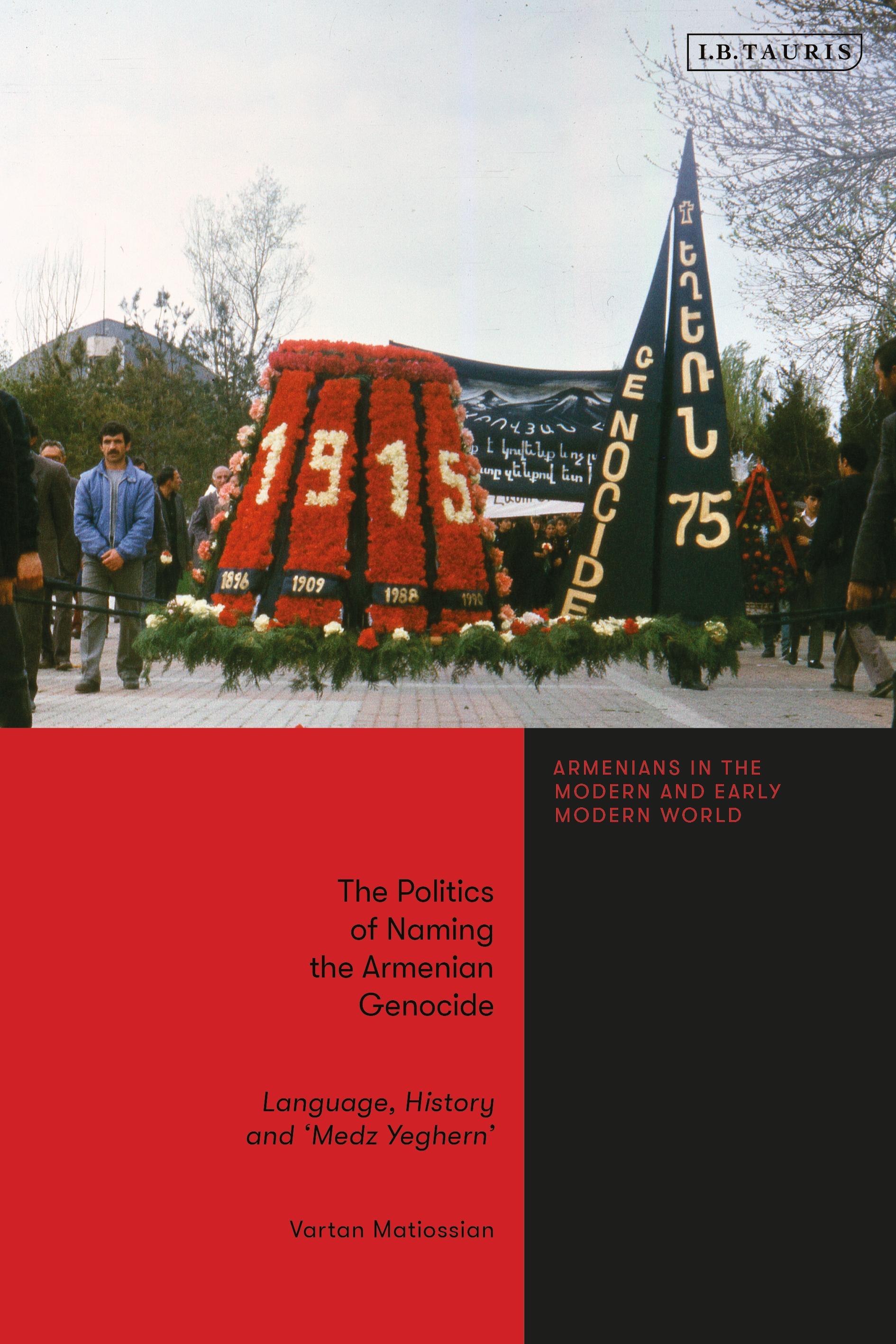
This book explores the genealogy of the concept of 'Medz Yeghern' ('Great Crime'), the Armenian term for the mass murder and ethnic cleansing of the Armenian ethno-religious group in the Ottoman Empire between the years 1915-1923. Widely accepted by historians as one of the classical cases of genocide in the 20th century, ascribing the right definition to the crime has been a source of contention and controversy in international politics. Vartan Matiossian here draws upon extensive research based on Armenian sources, neglected in much of the current historiography, as well as other European languages in order to trace the development of the concepts pertaining to mass killing and genocide of Armenians from the ancient to the modern periods. Beginning with an analysis of the term itself, he shows how the politics of its use evolved as Armenians struggled for international recognition of the crime after 1945, in the face of Turkish protest. Taking a combined historical, philological, literary and political perspective, the book is an insightful exploration of the politics of naming a catastrophic historical event, and the competitive nature of national collective memories.
Maksa helposti kortilla, Klarnalla, Apple Paylla tai Google Paylla. Etkö ole tyytyväinen? Sinulla on aina 14 päivän palautusoikeus. Lue lisää ehdoistamme. Jos sinulla on kysyttävää, lähetä meille sähköpostia osoitteeseen hello@memmo.org.
Memmo tekee opiskelusta helpompaa – missä päin maailmaa ikinä oletkin. Meillä yhdistät kurssikirjat ja fiksut opiskelutyökalut yhteen paikkaan: tiivistelmät, visat, podcastit ja muistikortit. Ja sitten Ted, opiskelukaverisi, joka vastaa kaikkeen, mitä ikinä mietitkin. Yli 50 000 opiskelijaa opiskelee jo täällä – rakennettu auttamaan sinua oppimaan nopeammin ja stressaamaan vähemmän.