
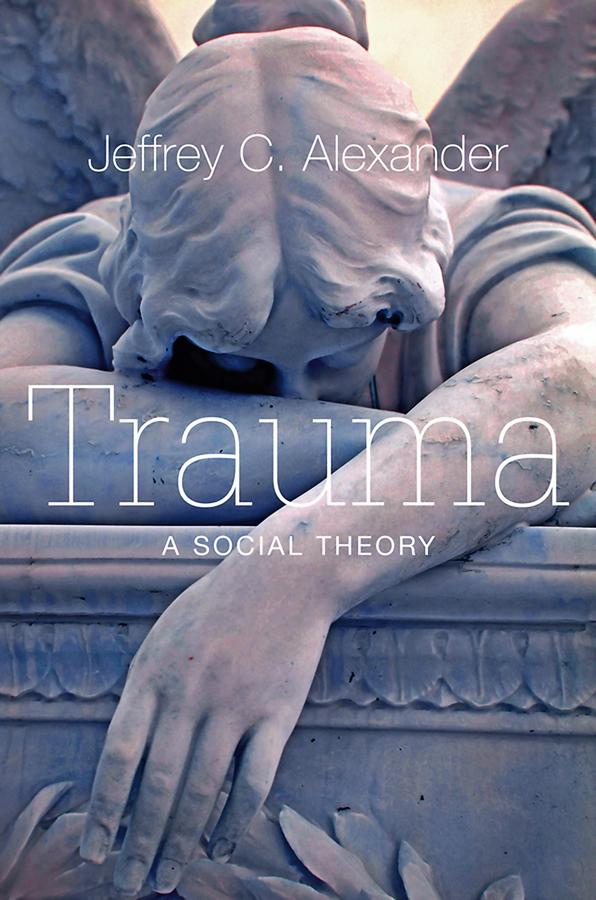
Alexander argues that traumas are not merely psychological but collective experiences, and that trauma work plays a key role in defining the origins and outcomes of critical social conflicts. He outlines a model of trauma work that relates interests of carrier groups, competing narrative identifications of victim and perpetrator, utopian and dystopian proposals for trauma resolution, the performative power of constructed events, and the distribution of organizational resources.
Alexander explores these processes in richly textured case studies of cultural-trauma origins and effects, from the universalism of the Holocaust to the particularism of the Israeli right, from postcolonial battles over the Partition of India and Pakistan to the invisibility of the Rape of Nanjing in Maoist China. In a particularly controversial chapter, Alexander describes the idealizing discourse of globalization as a trauma-response to the Cold War.
Contemporary societies have often been described as more concerned with the past than the future, more with tragedy than progress. In Trauma: A Social Theory, Alexander explains why.
Maksa helposti kortilla, Klarnalla, Apple Paylla tai Google Paylla. Etkö ole tyytyväinen? Sinulla on aina 14 päivän palautusoikeus. Lue lisää ehdoistamme. Jos sinulla on kysyttävää, lähetä meille sähköpostia osoitteeseen hello@memmo.org.
Memmo tekee opiskelusta helpompaa – missä päin maailmaa ikinä oletkin. Meillä yhdistät kurssikirjat ja fiksut opiskelutyökalut yhteen paikkaan: tiivistelmät, visat, podcastit ja muistikortit. Ja sitten Ted, opiskelukaverisi, joka vastaa kaikkeen, mitä ikinä mietitkin. Yli 50 000 opiskelijaa opiskelee jo täällä – rakennettu auttamaan sinua oppimaan nopeammin ja stressaamaan vähemmän.