
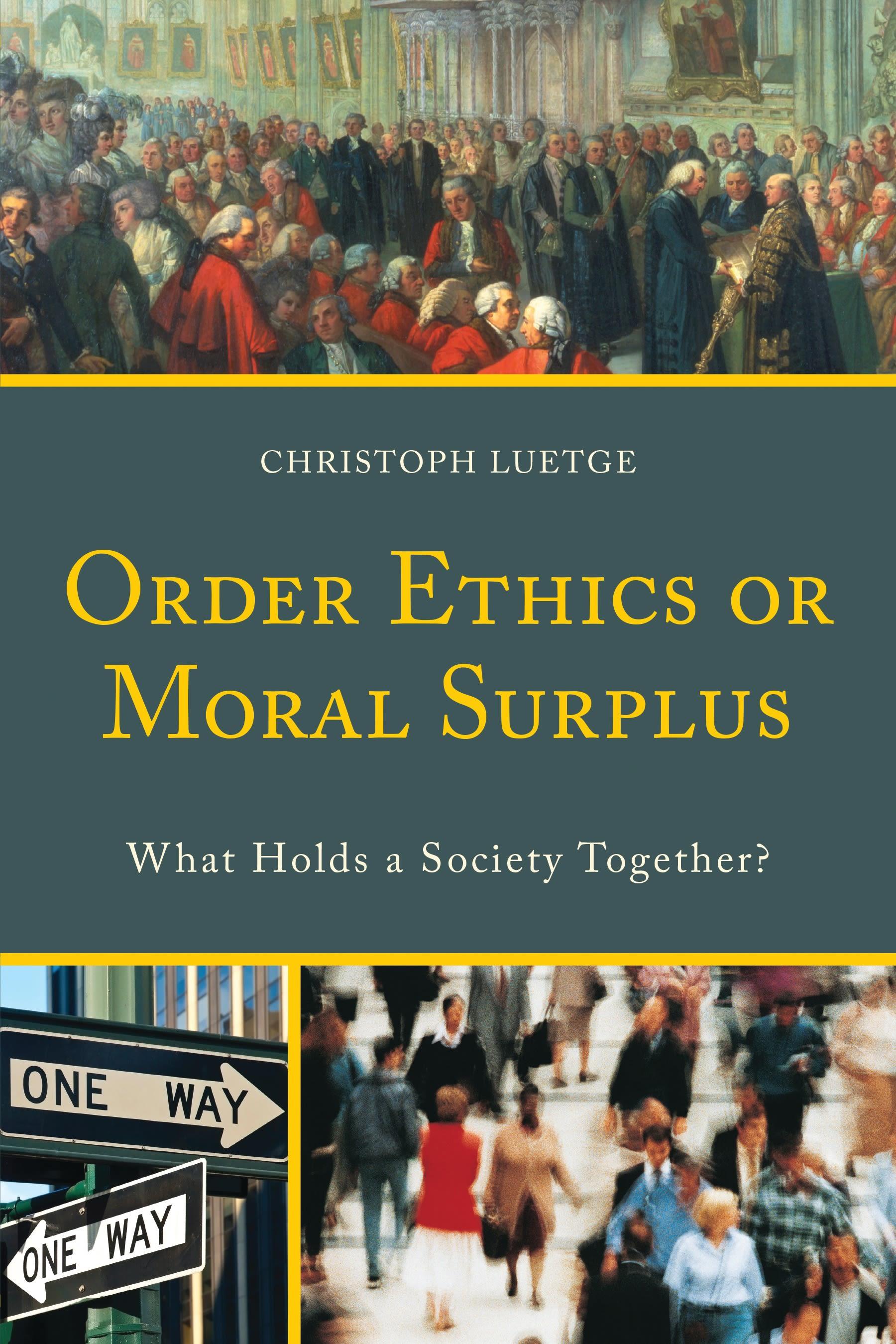
Christoph Luetge takes on a fundamental problem of contemporary political philosophy and ethics. He questions the often implicit assumption of many contemporary political philosophers according to which a society needs its citizens to adopt some shared basic qualities, views or capabilities (here termed a moral surplus). Luetge examines the respective theories of, among others, Habermas, Rawls, Gauthier, Buchanan, and Binmore with a focus on their respective moral surpluses. He finds that each moral surplus is either not necessary for the stability of societies or cannot remain stable when faced with opposing incentives. Binmore’s idea of empathy is the only one that is, at least partly, not confronted with this dilemma. Luetge provides an alternative view termed order ethics, which weakens the necessary assumptions for modern societies and basically only relies on mutual advantages as the fundamental basis of society.
Maksa helposti kortilla, Klarnalla, Apple Paylla tai Google Paylla. Etkö ole tyytyväinen? Sinulla on aina 14 päivän palautusoikeus. Lue lisää ehdoistamme. Jos sinulla on kysyttävää, lähetä meille sähköpostia osoitteeseen hello@memmo.org.
Memmo tekee opiskelusta helpompaa – missä päin maailmaa ikinä oletkin. Meillä yhdistät kurssikirjat ja fiksut opiskelutyökalut yhteen paikkaan: tiivistelmät, visat, podcastit ja muistikortit. Ja sitten Ted, opiskelukaverisi, joka vastaa kaikkeen, mitä ikinä mietitkin. Yli 50 000 opiskelijaa opiskelee jo täällä – rakennettu auttamaan sinua oppimaan nopeammin ja stressaamaan vähemmän.