
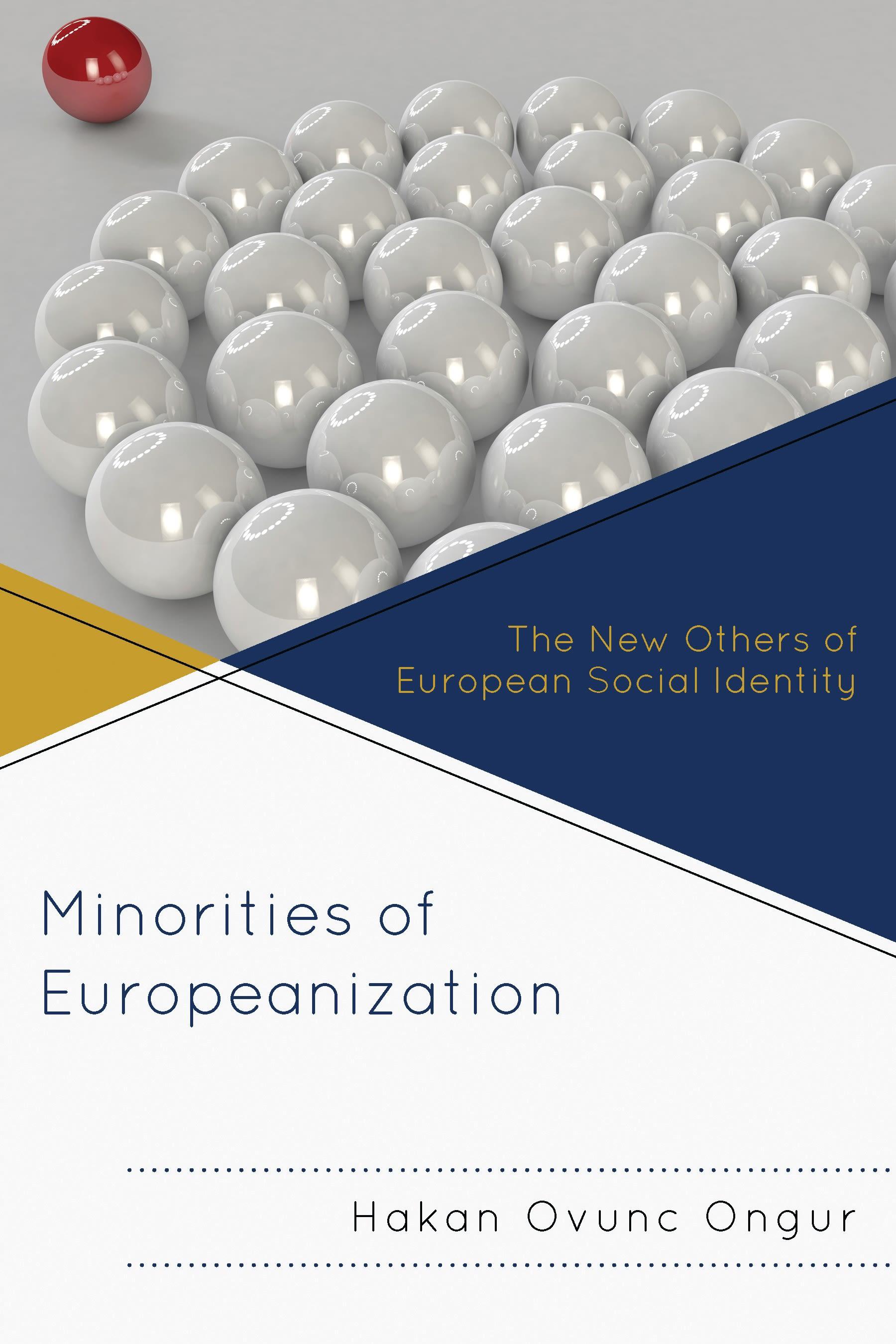
What are the societal effects of Europeanization? How successful is the EU’s project to create an overarching European identity representative of all its citizens, transcending national boundaries, and including those previously excluded as national minorities? This study addresses these questions by adapting the Social Identity Theory’s (SIT) concept of “social identity” to the discussions of “European identity,” offering a novel approach that remedies previous definitional and ontological problems of the term.
The conceptualization of a “European social identity” is generated here to invite a reconsideration of conventional understandings of how minorities’ group identities are formed. Presenting itself as a challenge to nations and nationality, the European integration process has yet to achieve its supra-national ideal, falling instead into the trap of nationalizing those who are subsumed under the category of minorities in practice—arguably because of a faulty theoretical understanding of the term. The new “Others” of Europeanization have been chosen specifically to emphasize, despite the EU’s “united in diversity” rhetoric, the marked lack of united destiny and common heritage of selected European nationals. Among these new Others, Russophones in the Baltic states, the Roma people, populations of the Western Balkans, immigrants and guest workers, and Muslims residing in European countries have all been excluded from Europe’s new social identity. Through in-depth historical analysis, this book aims to correct this problem, providing both European studies and broader political science literatures with a new understanding of minorities that is more dynamic both in practice and theory.
The conceptualization of a “European social identity” is generated here to invite a reconsideration of conventional understandings of how minorities’ group identities are formed. Presenting itself as a challenge to nations and nationality, the European integration process has yet to achieve its supra-national ideal, falling instead into the trap of nationalizing those who are subsumed under the category of minorities in practice—arguably because of a faulty theoretical understanding of the term. The new “Others” of Europeanization have been chosen specifically to emphasize, despite the EU’s “united in diversity” rhetoric, the marked lack of united destiny and common heritage of selected European nationals. Among these new Others, Russophones in the Baltic states, the Roma people, populations of the Western Balkans, immigrants and guest workers, and Muslims residing in European countries have all been excluded from Europe’s new social identity. Through in-depth historical analysis, this book aims to correct this problem, providing both European studies and broader political science literatures with a new understanding of minorities that is more dynamic both in practice and theory.
Sivuja: 218
Kategoria: Statsvetenskap & Politik
e-ISBN: 9780739181492
Lähetyspaino: 1.2 kg
Toimitusaika: 1-2 päivää
Maksa helposti kortilla, Klarnalla, Apple Paylla tai Google Paylla. Etkö ole tyytyväinen? Sinulla on aina 14 päivän palautusoikeus. Lue lisää ehdoistamme. Jos sinulla on kysyttävää, lähetä meille sähköpostia osoitteeseen hello@memmo.org.
Memmo tekee opiskelusta helpompaa – missä päin maailmaa ikinä oletkin. Meillä yhdistät kurssikirjat ja fiksut opiskelutyökalut yhteen paikkaan: tiivistelmät, visat, podcastit ja muistikortit. Ja sitten Ted, opiskelukaverisi, joka vastaa kaikkeen, mitä ikinä mietitkin. Yli 50 000 opiskelijaa opiskelee jo täällä – rakennettu auttamaan sinua oppimaan nopeammin ja stressaamaan vähemmän.