
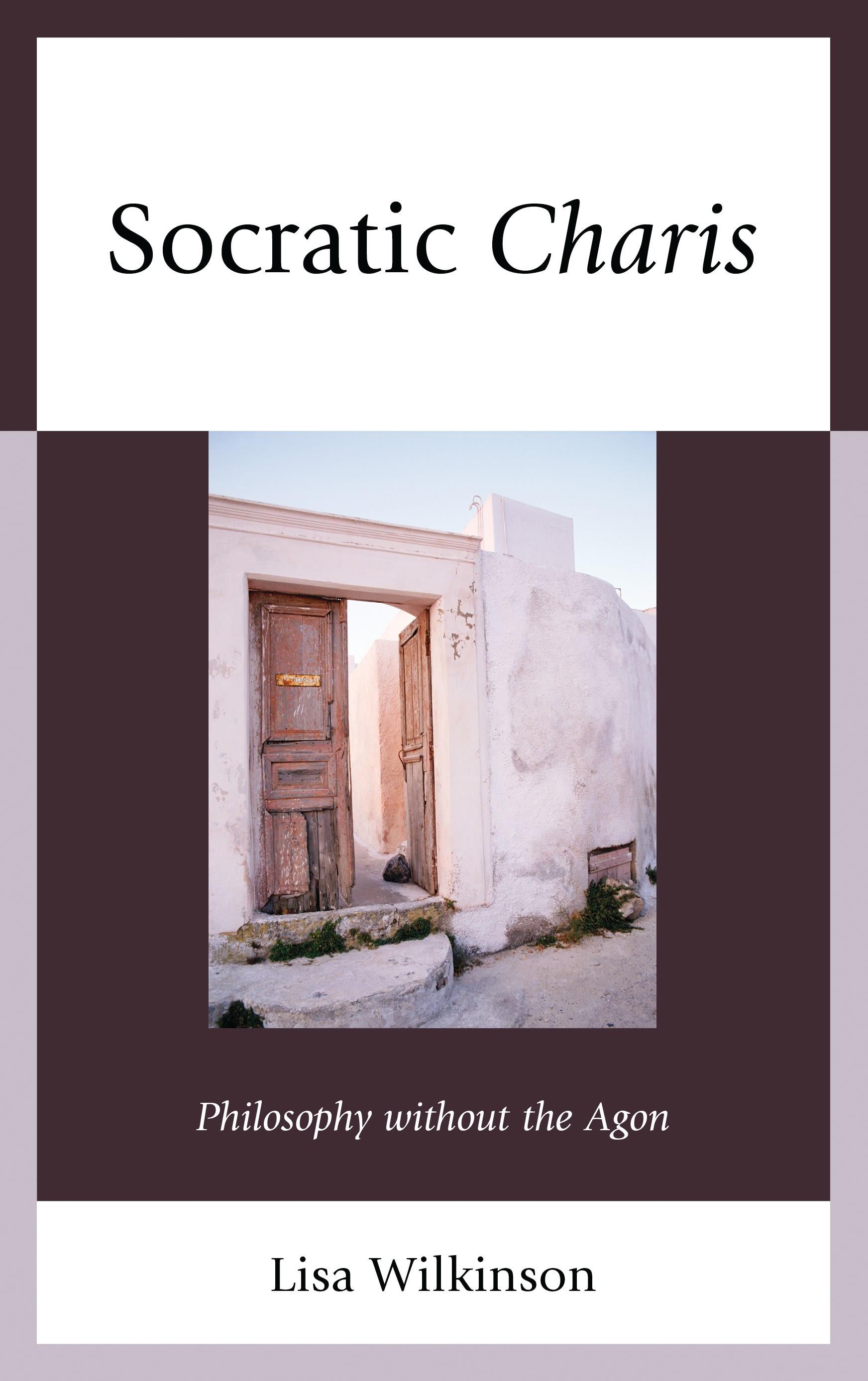
This book explores the possibility that Plato’s philosophia is influenced by non-agonal practices and values that historically and philosophically antedate the agonal practices of the Athenian ekklesia. The author surveys literature concerning the predominance of agonal in ancient Greek culture, the values associated with oral poetic performance as a religious practice, and the ubiquitous character of the gift practice known as xenia in the ancient world. The author compares the structure of the agon to the structure of other ancient practices, and reasons that while agonistic practices are oppositional and binary, poetic and social practices are narrative and plural and exemplify, alternative to the agonal, the value of charis—grace. Reading Socratic speech and Socratic inquiry in terms of charis illuminates the narrative structure of Plato’s portrayal of Socrates and precludes one-dimensional analyses of Plato’s writings as philosophically agonistic and demonstrative. Rather the value of Socratic charis illustrates the value of genuine dialogue, and the author suggests how revaluing Socratic dialogue in light of charis can be relevant to current thinking about philosophy, politics, and the agon.
Maksa helposti kortilla, Klarnalla, Apple Paylla tai Google Paylla. Etkö ole tyytyväinen? Sinulla on aina 14 päivän palautusoikeus. Lue lisää ehdoistamme. Jos sinulla on kysyttävää, lähetä meille sähköpostia osoitteeseen hello@memmo.org.
Memmo tekee opiskelusta helpompaa – missä päin maailmaa ikinä oletkin. Meillä yhdistät kurssikirjat ja fiksut opiskelutyökalut yhteen paikkaan: tiivistelmät, visat, podcastit ja muistikortit. Ja sitten Ted, opiskelukaverisi, joka vastaa kaikkeen, mitä ikinä mietitkin. Yli 50 000 opiskelijaa opiskelee jo täällä – rakennettu auttamaan sinua oppimaan nopeammin ja stressaamaan vähemmän.