
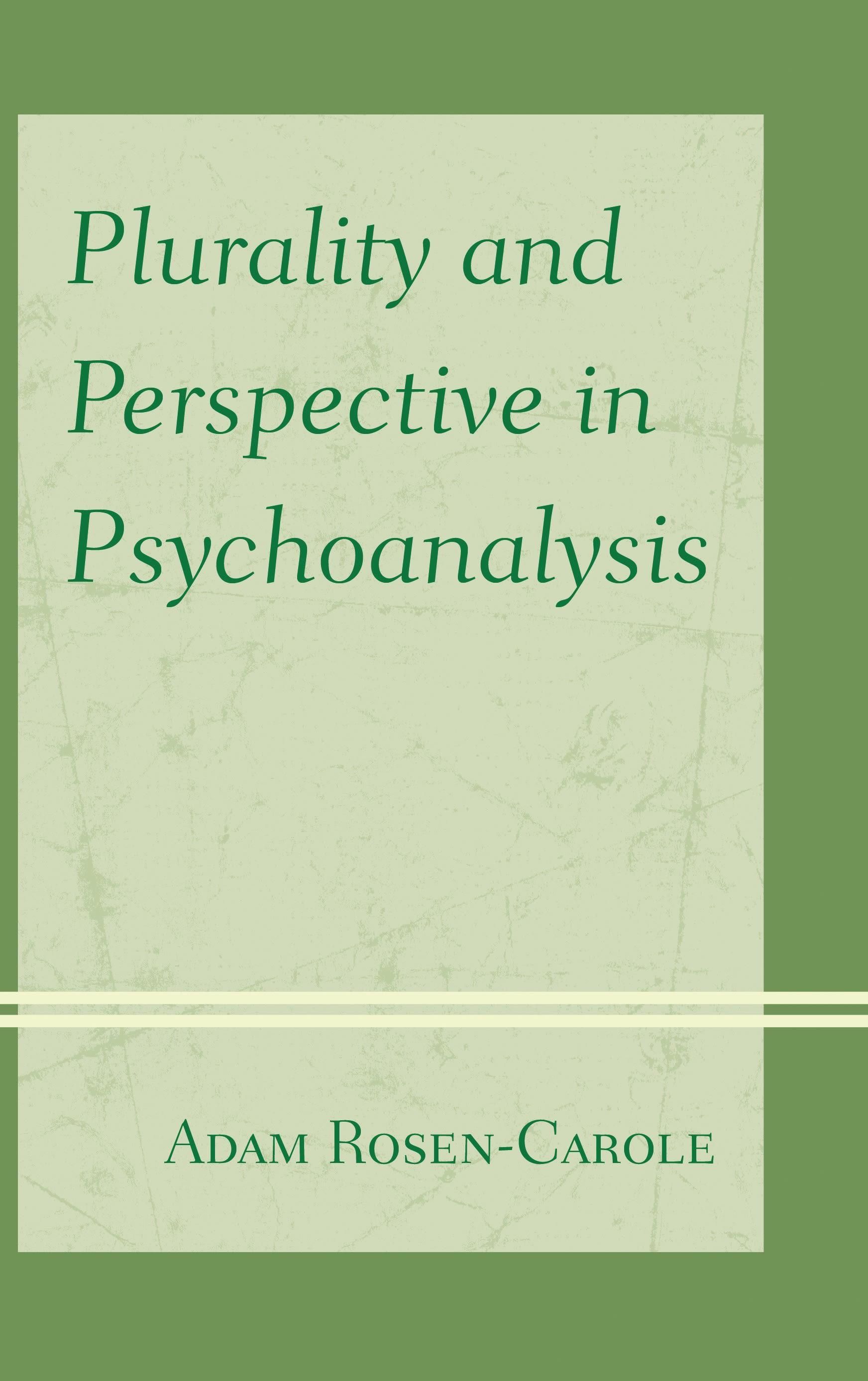
Psychoanalysis is a historical discourse of suffering and healing under conditions of modernity rather than a metaphysical discourse of universal truth, and must be so due to the ontological indeterminacy of psychic life. Demonstrating this proceeds through the substantiation of two primary theses. First, pluralism in psychoanalysis, thus the perspectival character of psychoanalytic knowing, is irreducible. Second, psychic life is partially pliable to interpretive constitution rather than a self-subsistent object domain fully available to third-personal, objective description. Together, these theses provide the framework for a radical rethinking of the authority of psychoanalytic knowledge and practice and of the nature of psychoanalytic claims to objectivity. Psychoanalytic interpretations are best understood as existentially interrogative – they test who and how one might be – and if successful, to some extent identity formative. The validity conditions of psychoanalytic knowledge thus concern the creation/discovery of satisfactory forms of practice-orienting self-narration rather than those regularly operative in the natural sciences. However, an adequate assessment of psychoanalytic claims requires that the claims of science are given due consideration and the impediments to practice-orienting self-narration under conditions of late modernity are acknowledged.
Maksa helposti kortilla, Klarnalla, Apple Paylla tai Google Paylla. Etkö ole tyytyväinen? Sinulla on aina 14 päivän palautusoikeus. Lue lisää ehdoistamme. Jos sinulla on kysyttävää, lähetä meille sähköpostia osoitteeseen hello@memmo.org.
Memmo tekee opiskelusta helpompaa – missä päin maailmaa ikinä oletkin. Meillä yhdistät kurssikirjat ja fiksut opiskelutyökalut yhteen paikkaan: tiivistelmät, visat, podcastit ja muistikortit. Ja sitten Ted, opiskelukaverisi, joka vastaa kaikkeen, mitä ikinä mietitkin. Yli 50 000 opiskelijaa opiskelee jo täällä – rakennettu auttamaan sinua oppimaan nopeammin ja stressaamaan vähemmän.