
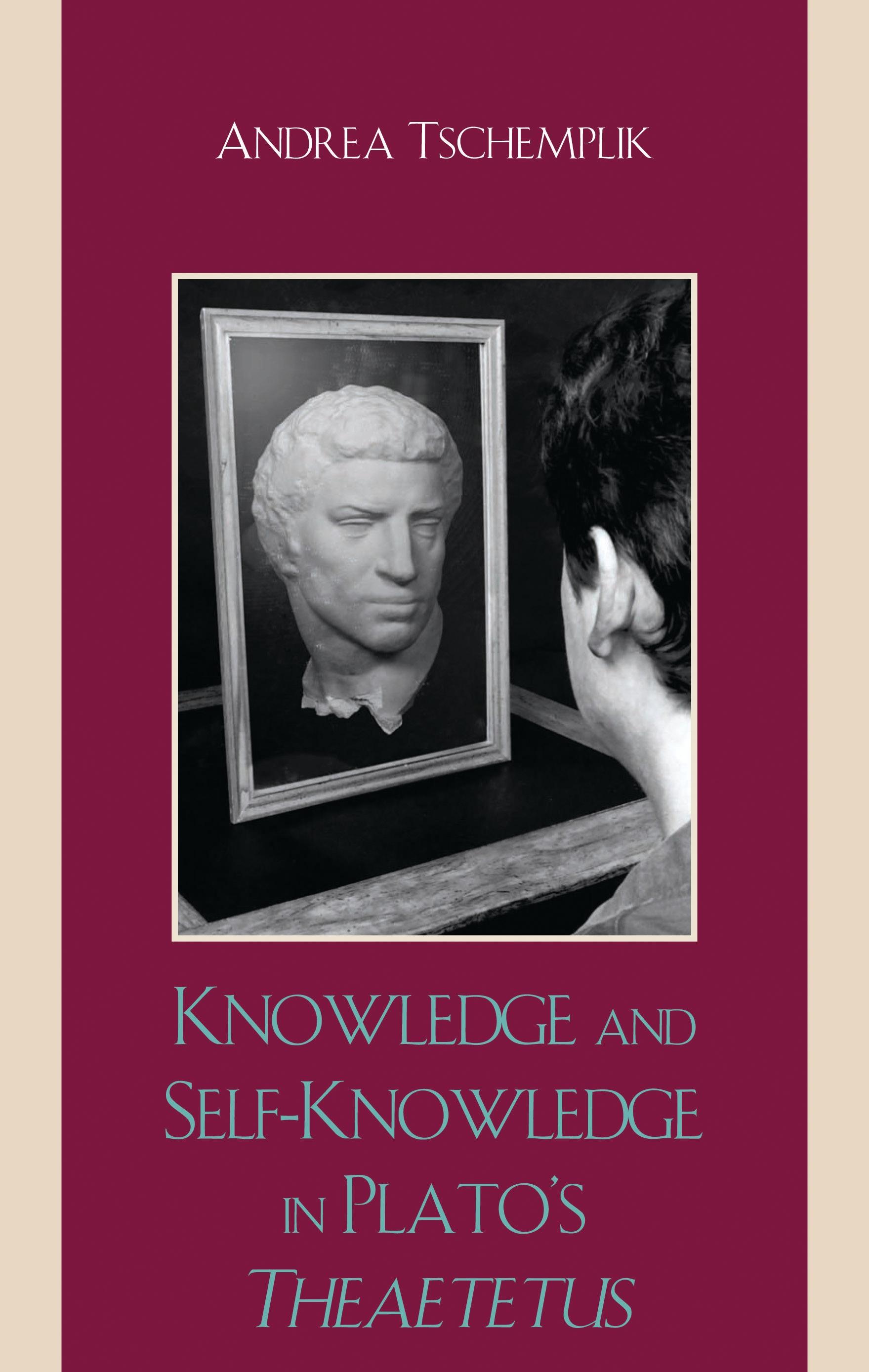
Knowledge and Self-Knowledge in Plato's Theaetetus advances a new explanation for the apparent failure of the Theaetetus to come to a satisfactory conclusion about the definition of knowledge. Tschemplik argues that understanding this aporetic dialogue in light of the fact that it was conducted with two noted mathematicians shows that for Plato, mathematics was not the paradigm for philosophy. She points out that, although mathematics is clearly an important part of the philosopher's training, as the educational outline of the Republic makes clear, the point on which the mathematician falls short is the central role that self-knowledge plays in philosophical investigation. Theaetetus betrays this deficiency and is led by Socrates to an understanding of the benefits of self-knowledge understood as the knowledge of ignorance. Tschemplik concludes that it is the absence of self-knowledge in the Theaetetus which leads to its closing impasse regarding knowledge.
This book will be of interest to scholars and graduate students in the history of philosophy with a special interest in ancient philosophy, and will also be accessible to upper-level undergraduates in ancient philosophy.
This book will be of interest to scholars and graduate students in the history of philosophy with a special interest in ancient philosophy, and will also be accessible to upper-level undergraduates in ancient philosophy.
Maksa helposti kortilla, Klarnalla, Apple Paylla tai Google Paylla. Etkö ole tyytyväinen? Sinulla on aina 14 päivän palautusoikeus. Lue lisää ehdoistamme. Jos sinulla on kysyttävää, lähetä meille sähköpostia osoitteeseen hello@memmo.org.
Memmo tekee opiskelusta helpompaa – missä päin maailmaa ikinä oletkin. Meillä yhdistät kurssikirjat ja fiksut opiskelutyökalut yhteen paikkaan: tiivistelmät, visat, podcastit ja muistikortit. Ja sitten Ted, opiskelukaverisi, joka vastaa kaikkeen, mitä ikinä mietitkin. Yli 50 000 opiskelijaa opiskelee jo täällä – rakennettu auttamaan sinua oppimaan nopeammin ja stressaamaan vähemmän.