
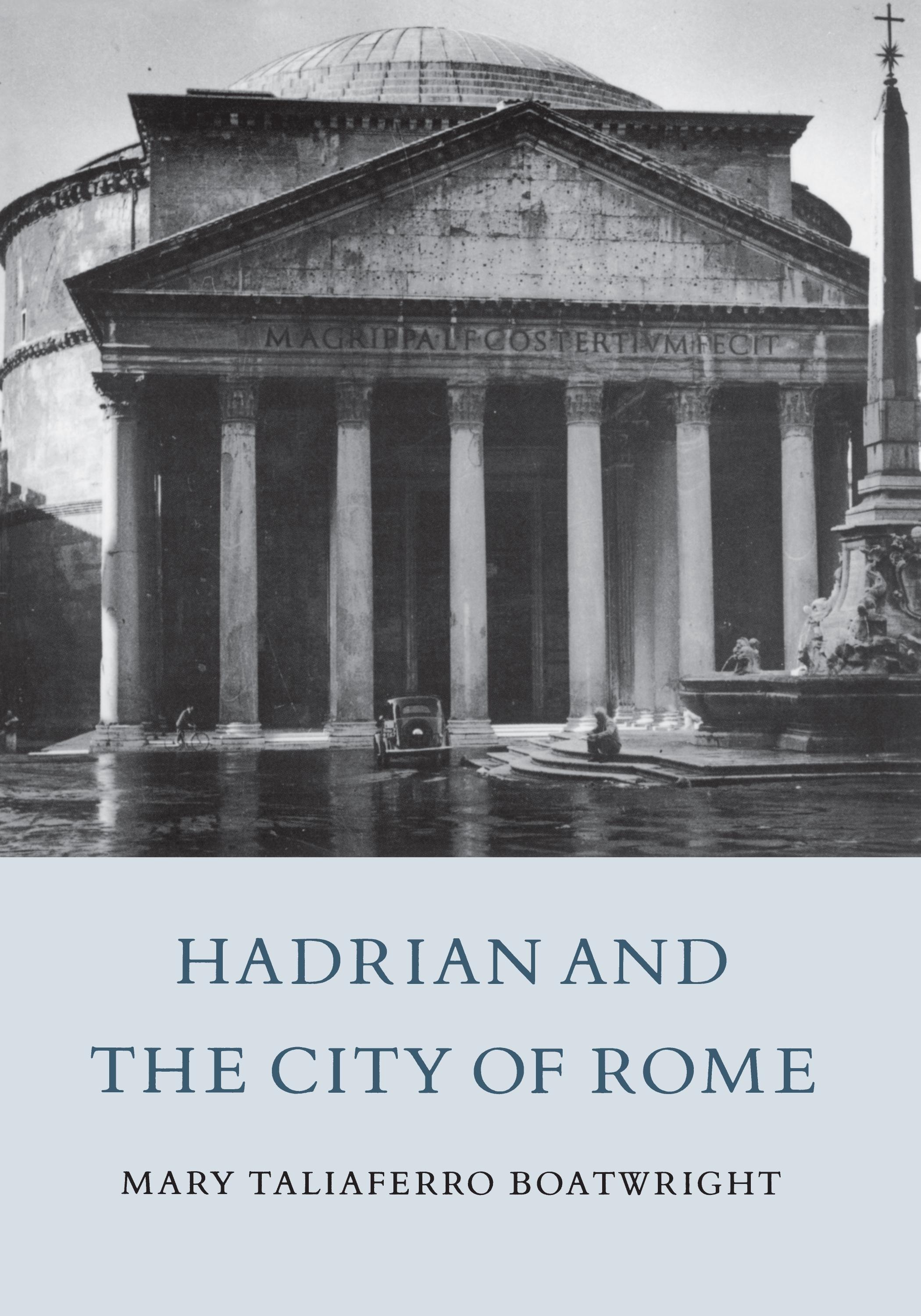
How Hadrian left an enduring mark on the architecture and urban topography of ancient Rome
The Pantheon, the Temple of Venus and Roma, Hadrian’s Mausoleum transformed into Castel Sant’Angelo, and his villa at Tivoli epitomize for many the power and resources of Rome at its zenith. Because other urban changes during Hadrian’s principate (A.D. 117–138) left less visible traces, however, few people realize how powerfully he transformed the capital city not only by erecting these and other monumental edifices but also by renovating buildings, even entire districts, and by reorganizing the building industry and neighborhood life. Mary Taliaferro Boatwright compiles and assesses the varied evidence for Hadrian’s buildings and his administrative changes and evaluates his effect on the capital city in a topographical and historical context. A comprehensive catalogue follows the illustrated text.
Maksa helposti kortilla, Klarnalla, Apple Paylla tai Google Paylla. Etkö ole tyytyväinen? Sinulla on aina 14 päivän palautusoikeus. Lue lisää ehdoistamme. Jos sinulla on kysyttävää, lähetä meille sähköpostia osoitteeseen hello@memmo.org.
Memmo tekee opiskelusta helpompaa – missä päin maailmaa ikinä oletkin. Meillä yhdistät kurssikirjat ja fiksut opiskelutyökalut yhteen paikkaan: tiivistelmät, visat, podcastit ja muistikortit. Ja sitten Ted, opiskelukaverisi, joka vastaa kaikkeen, mitä ikinä mietitkin. Yli 50 000 opiskelijaa opiskelee jo täällä – rakennettu auttamaan sinua oppimaan nopeammin ja stressaamaan vähemmän.