
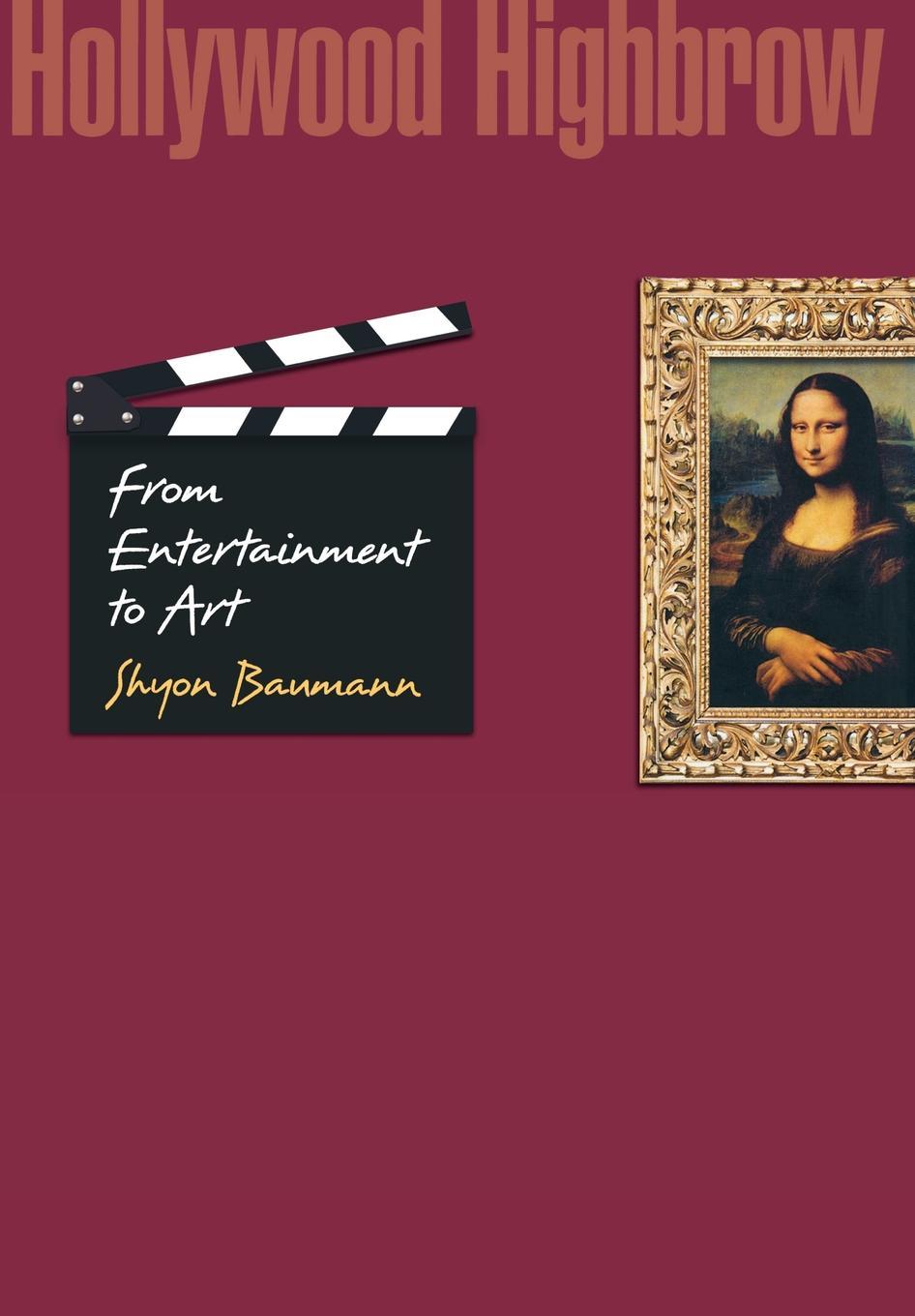
Today's moviegoers and critics generally consider some Hollywood products--even some blockbusters--to be legitimate works of art. But during the first half century of motion pictures very few Americans would have thought to call an American movie "art." Up through the 1950s, American movies were regarded as a form of popular, even lower-class, entertainment. By the 1960s and 1970s, however, viewers were regularly judging Hollywood films by artistic criteria previously applied only to high art forms. In Hollywood Highbrow, Shyon Baumann for the first time tells how social and cultural forces radically changed the public's perceptions of American movies just as those forces were radically changing the movies themselves.
The development in the United States of an appreciation of film as an art was, Baumann shows, the product of large changes in Hollywood and American society as a whole. With the postwar rise of television, American movie audiences shrank dramatically and Hollywood responded by appealing to richer and more educated viewers. Around the same time, European ideas about the director as artist, an easing of censorship, and the development of art-house cinemas, film festivals, and the academic field of film studies encouraged the idea that some American movies--and not just European ones--deserved to be considered art.
Maksa helposti kortilla, Klarnalla, Apple Paylla tai Google Paylla. Etkö ole tyytyväinen? Sinulla on aina 14 päivän palautusoikeus. Lue lisää ehdoistamme. Jos sinulla on kysyttävää, lähetä meille sähköpostia osoitteeseen hello@memmo.org.
Memmo tekee opiskelusta helpompaa – missä päin maailmaa ikinä oletkin. Meillä yhdistät kurssikirjat ja fiksut opiskelutyökalut yhteen paikkaan: tiivistelmät, visat, podcastit ja muistikortit. Ja sitten Ted, opiskelukaverisi, joka vastaa kaikkeen, mitä ikinä mietitkin. Yli 50 000 opiskelijaa opiskelee jo täällä – rakennettu auttamaan sinua oppimaan nopeammin ja stressaamaan vähemmän.