
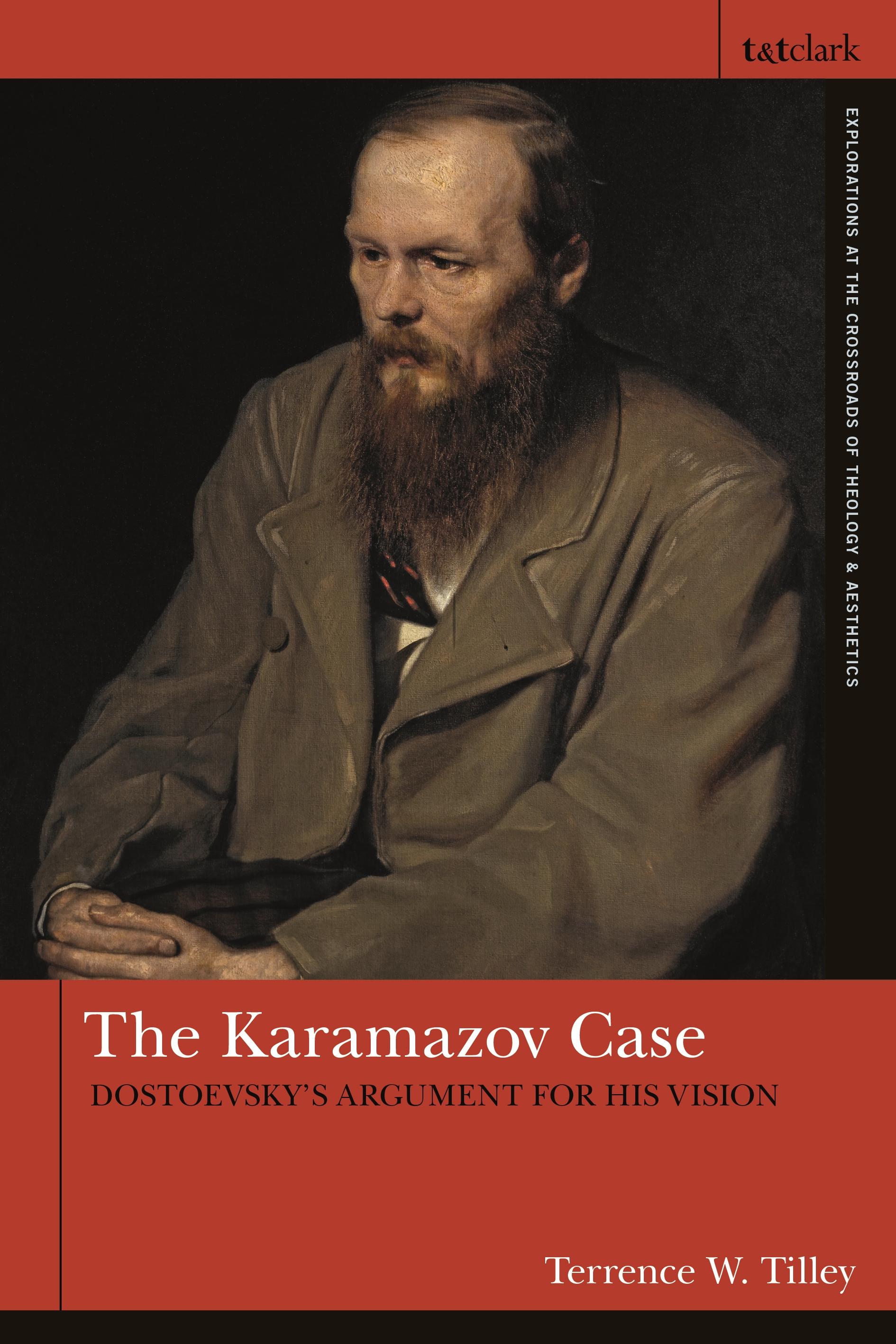
This is a new interpretation of Dostoevsky's novel The Brothers Karamazov that scrutinizes it as a performative event (the “polyphony” of the novel) revealing its religious, philosophical, and social meanings through the interplay of mentalités or worldviews that constitute an aesthetic whole. This way of discerning the novel's social vision of sobornost' (a unity between harmony and freedom), its vision of hope, and its more subtle sacramental presuppositions, raises Tilley's interpretation beyond the standard “theology and literature” treatments of the novel and interpretations that treat the novel as providing solutions to philosophical problems.
Tilley develops Bakhtin's thoughtful analysis of the polyphony of the novel using communication theory and readers/hearer response criticism, and by using Bakhtin's operatic image of polyphony to show the error of taking "faith vs. reason", argues that at the end of the novel, the characters learned to carry on, in a quiet shared commitment to memory and hope.
Tilley develops Bakhtin's thoughtful analysis of the polyphony of the novel using communication theory and readers/hearer response criticism, and by using Bakhtin's operatic image of polyphony to show the error of taking "faith vs. reason", argues that at the end of the novel, the characters learned to carry on, in a quiet shared commitment to memory and hope.
Maksa helposti kortilla, Klarnalla, Apple Paylla tai Google Paylla. Etkö ole tyytyväinen? Sinulla on aina 14 päivän palautusoikeus. Lue lisää ehdoistamme. Jos sinulla on kysyttävää, lähetä meille sähköpostia osoitteeseen hello@memmo.org.
Memmo tekee opiskelusta helpompaa – missä päin maailmaa ikinä oletkin. Meillä yhdistät kurssikirjat ja fiksut opiskelutyökalut yhteen paikkaan: tiivistelmät, visat, podcastit ja muistikortit. Ja sitten Ted, opiskelukaverisi, joka vastaa kaikkeen, mitä ikinä mietitkin. Yli 50 000 opiskelijaa opiskelee jo täällä – rakennettu auttamaan sinua oppimaan nopeammin ja stressaamaan vähemmän.