
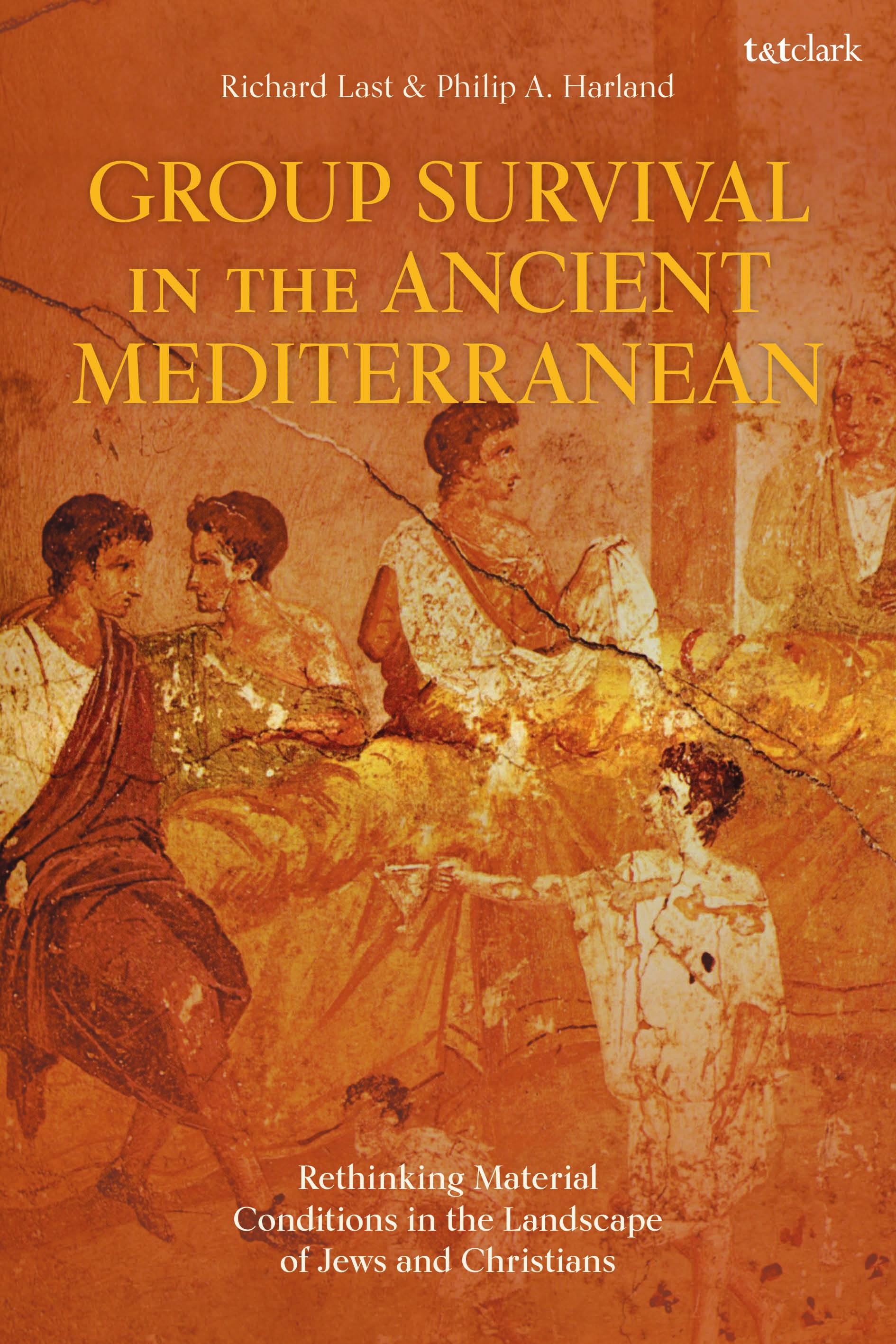
Philip A. Harland and Richard Last consider the economics of early Christian group life within its social, cultural and economic contexts, by drawing on extensive epigraphic and archaeological evidence. In exploring the informal associations, immigrant groups, and guilds that dotted the world of the early Christians, Harland
and Last provide fresh perspective on the question of how Christian assemblies and Judean/Jewish gatherings gained necessary resources to pursue their social, religious, and additional aims.
By considering both neglected archaeological discoveries and literary evidence, the authors analyse financial and material aspects of group life, both sources of income and various areas of expenditure. Harland and Last then turn to the use of material resources for mutual support of members in various groups, including the importance of burial and the practice of interest-free loans. Christian and Judean evidence is explored throughout this book, culminating in a discussion of texts detailing the internal financial life of Christian assemblies as seen in first and second century sources, including Paul, the Didache, Justin Martyr, and Tertullian. In shedding new light on early Christian financial organisation, this volume aids further understanding of how some Christian groups survived and developed in the Greco-Roman world.
and Last provide fresh perspective on the question of how Christian assemblies and Judean/Jewish gatherings gained necessary resources to pursue their social, religious, and additional aims.
By considering both neglected archaeological discoveries and literary evidence, the authors analyse financial and material aspects of group life, both sources of income and various areas of expenditure. Harland and Last then turn to the use of material resources for mutual support of members in various groups, including the importance of burial and the practice of interest-free loans. Christian and Judean evidence is explored throughout this book, culminating in a discussion of texts detailing the internal financial life of Christian assemblies as seen in first and second century sources, including Paul, the Didache, Justin Martyr, and Tertullian. In shedding new light on early Christian financial organisation, this volume aids further understanding of how some Christian groups survived and developed in the Greco-Roman world.
Sivuja: 240
Kategoria: Arkeologi & Antikvetenskap
e-ISBN: 9780567657503
Lähetyspaino: 1.2 kg
Toimitusaika: 1-2 päivää
Maksa helposti kortilla, Klarnalla, Apple Paylla tai Google Paylla. Etkö ole tyytyväinen? Sinulla on aina 14 päivän palautusoikeus. Lue lisää ehdoistamme. Jos sinulla on kysyttävää, lähetä meille sähköpostia osoitteeseen hello@memmo.org.
Memmo tekee opiskelusta helpompaa – missä päin maailmaa ikinä oletkin. Meillä yhdistät kurssikirjat ja fiksut opiskelutyökalut yhteen paikkaan: tiivistelmät, visat, podcastit ja muistikortit. Ja sitten Ted, opiskelukaverisi, joka vastaa kaikkeen, mitä ikinä mietitkin. Yli 50 000 opiskelijaa opiskelee jo täällä – rakennettu auttamaan sinua oppimaan nopeammin ja stressaamaan vähemmän.