
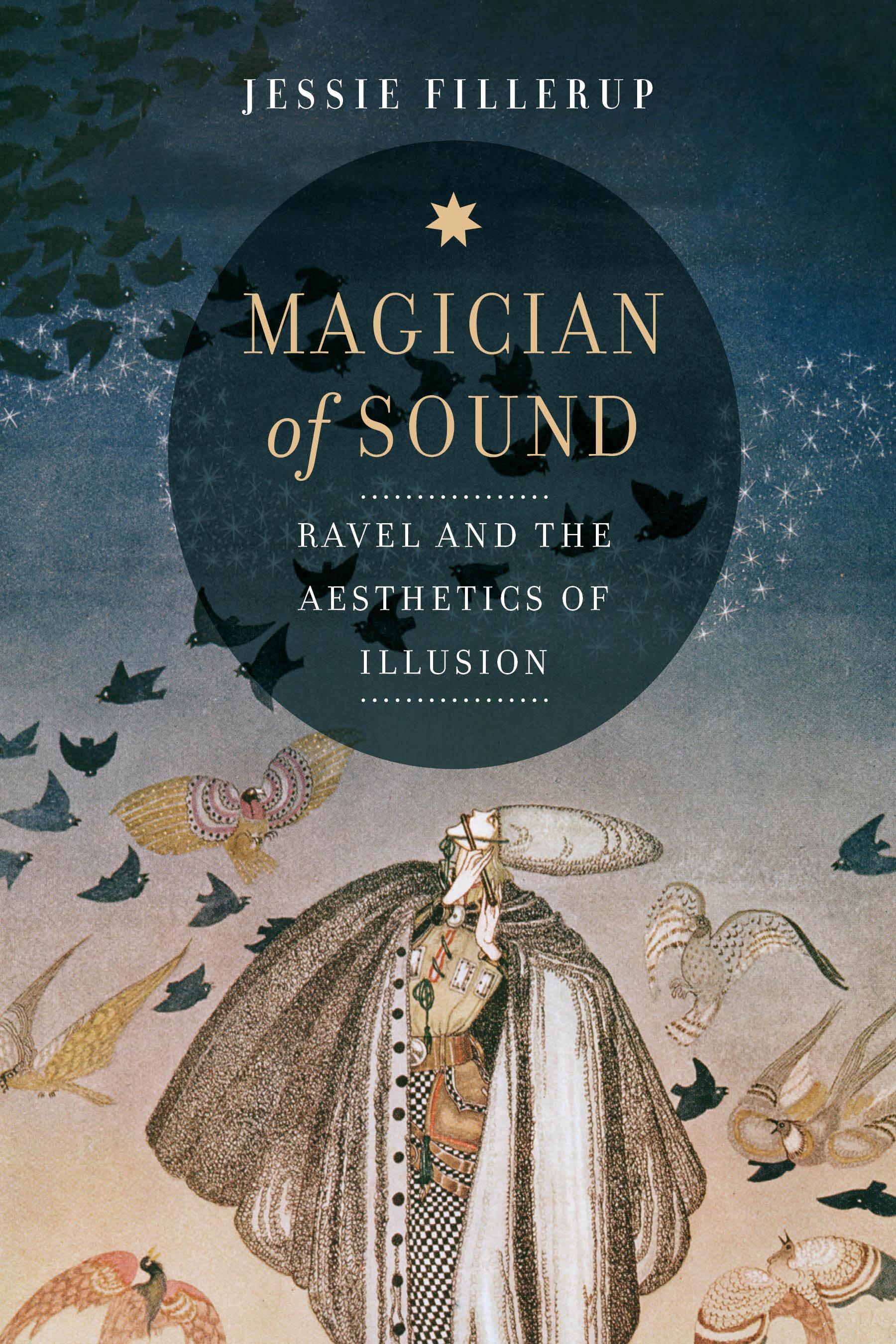
French composer Maurice Ravel was described by critics as a magician, conjurer, and illusionist. Scholars have been aware of this historical curiosity, but none so far have explained why Ravel attracted such critiques or what they might tell us about how to interpret his music. Magician of Sound examines Ravel's music through the lens of illusory experience, considering how timbre, orchestral effects, figure/ground relationships, and impressions of motion and stasis might be experienced as if they were conjuring tricks. Applying concepts from music theory, psychology, philosophy, and the history of magic, Jessie Fillerup develops an approach to musical illusion that newly illuminates Ravel's fascination with machines and creates compelling links between his music and other forms of aesthetic illusion, from painting and poetry to fiction and phantasmagoria. Fillerup analyzes scenes of enchantment and illusory effects in Ravel's most popular works, including Boléro, La Valse, Daphnis et Chloé, and Rapsodie espagnole, relating his methods and musical effects to the practice of theatrical conjurers. Drawing on a rich well of primary sources, Magician of Sound provides a new interdisciplinary framework for interpreting this enigmatic composer, linking magic and music.
Maksa helposti kortilla, Klarnalla, Apple Paylla tai Google Paylla. Etkö ole tyytyväinen? Sinulla on aina 14 päivän palautusoikeus. Lue lisää ehdoistamme. Jos sinulla on kysyttävää, lähetä meille sähköpostia osoitteeseen hello@memmo.org.
Memmo tekee opiskelusta helpompaa – missä päin maailmaa ikinä oletkin. Meillä yhdistät kurssikirjat ja fiksut opiskelutyökalut yhteen paikkaan: tiivistelmät, visat, podcastit ja muistikortit. Ja sitten Ted, opiskelukaverisi, joka vastaa kaikkeen, mitä ikinä mietitkin. Yli 50 000 opiskelijaa opiskelee jo täällä – rakennettu auttamaan sinua oppimaan nopeammin ja stressaamaan vähemmän.