
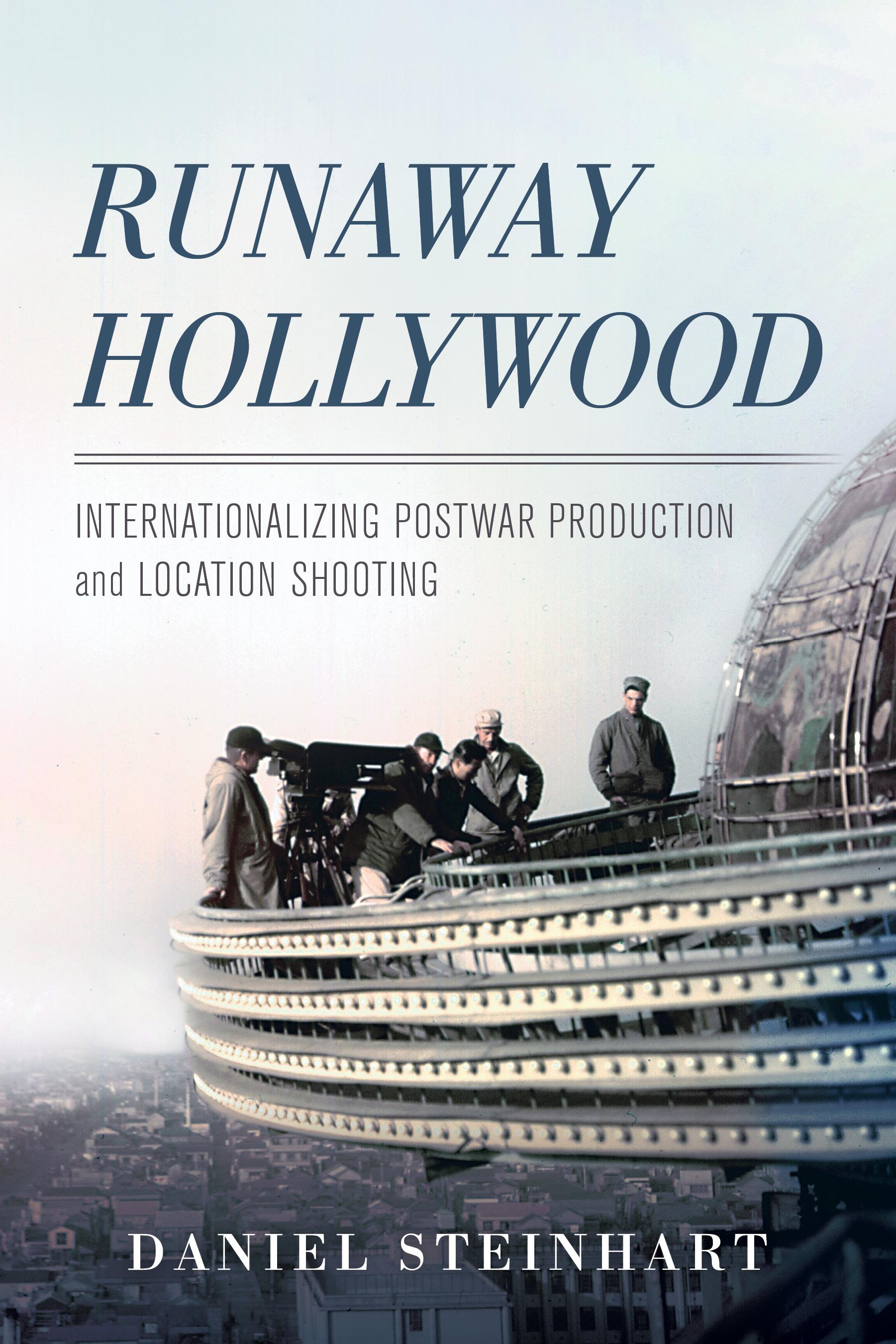
After World War II, as cultural and industry changes were reshaping Hollywood, movie studios shifted some production activities overseas, capitalizing on frozen foreign earnings, cheap labor, and appealing locations. Hollywood unions called the phenomenon “runaway” production to underscore the outsourcing of employment opportunities. Examining this period of transition from the late 1940s to the early 1960s, Runaway Hollywood shows how film companies exported production around the world and the effect this conversion had on industry practices and visual style. In this fascinating account, Daniel Steinhart uses an array of historical materials to trace the industry’s creation of a more international production operation that merged filmmaking practices from Hollywood and abroad to produce movies with a greater global scope.
Maksa helposti kortilla, Klarnalla, Apple Paylla tai Google Paylla. Etkö ole tyytyväinen? Sinulla on aina 14 päivän palautusoikeus. Lue lisää ehdoistamme. Jos sinulla on kysyttävää, lähetä meille sähköpostia osoitteeseen hello@memmo.org.
Memmo tekee opiskelusta helpompaa – missä päin maailmaa ikinä oletkin. Meillä yhdistät kurssikirjat ja fiksut opiskelutyökalut yhteen paikkaan: tiivistelmät, visat, podcastit ja muistikortit. Ja sitten Ted, opiskelukaverisi, joka vastaa kaikkeen, mitä ikinä mietitkin. Yli 50 000 opiskelijaa opiskelee jo täällä – rakennettu auttamaan sinua oppimaan nopeammin ja stressaamaan vähemmän.
Saatat pitää myös näistä
Osta kirja0