
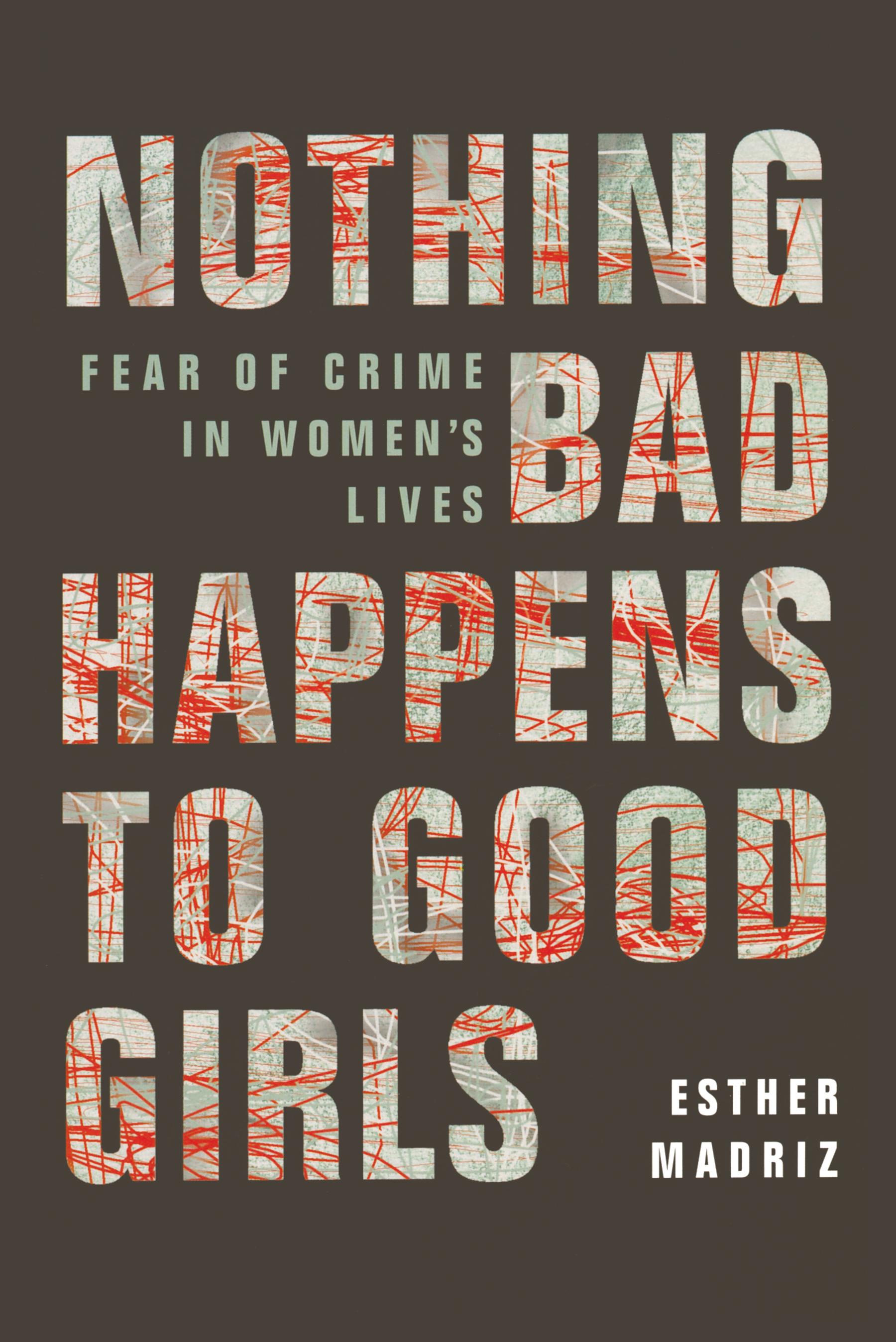
"The possibility of being a victim of a crime is ever present on my mind; thinking about it as natural as breathing."—40-year-old woman
This is a compelling analysis of how women in the United States perceive the threat of crime in their everyday lives and how that perception controls their behavior. Esther Madriz draws on focus groups and in-depth interviews to show the damage that fear can wreak on women of different ages and socioeconomic backgrounds. Although anxiety about crime affects virtually every woman, Madriz shows that race and class position play a role in a woman's sense of vulnerability.
Fear of crime has resulted in public demand for stronger and more repressive policies throughout the country. As funds for social programs are cut, Madriz points out, those for more prisons and police are on the increase. She also illustrates how media images of victims—"good" victims aren't culpable, "bad" victims invite trouble—and a tough political stance toward criminals are linked to a general climate of economic uncertainty and conservatism.
Madriz argues that fear itself is a strong element in keeping women in subservient and self-limiting social positions. "Policing" themselves, they construct a restricted world that leads to positions of even greater subordination: Being a woman means being vulnerable. Considering the enormous attention given to crime today, including victims' rights and use of public funds, Madriz's informative study is especially timely.
"The possibility of being a victim of a crime is ever present on my mind; thinking about it as natural as breathing."—40-year-old woman
This is a compelling analysis of how women in the United States perceive the threat of crime in their everyd
This is a compelling analysis of how women in the United States perceive the threat of crime in their everyday lives and how that perception controls their behavior. Esther Madriz draws on focus groups and in-depth interviews to show the damage that fear can wreak on women of different ages and socioeconomic backgrounds. Although anxiety about crime affects virtually every woman, Madriz shows that race and class position play a role in a woman's sense of vulnerability.
Fear of crime has resulted in public demand for stronger and more repressive policies throughout the country. As funds for social programs are cut, Madriz points out, those for more prisons and police are on the increase. She also illustrates how media images of victims—"good" victims aren't culpable, "bad" victims invite trouble—and a tough political stance toward criminals are linked to a general climate of economic uncertainty and conservatism.
Madriz argues that fear itself is a strong element in keeping women in subservient and self-limiting social positions. "Policing" themselves, they construct a restricted world that leads to positions of even greater subordination: Being a woman means being vulnerable. Considering the enormous attention given to crime today, including victims' rights and use of public funds, Madriz's informative study is especially timely.
"The possibility of being a victim of a crime is ever present on my mind; thinking about it as natural as breathing."—40-year-old woman
This is a compelling analysis of how women in the United States perceive the threat of crime in their everyd
Maksa helposti kortilla, Klarnalla, Apple Paylla tai Google Paylla. Etkö ole tyytyväinen? Sinulla on aina 14 päivän palautusoikeus. Lue lisää ehdoistamme. Jos sinulla on kysyttävää, lähetä meille sähköpostia osoitteeseen hello@memmo.org.
Memmo tekee opiskelusta helpompaa – missä päin maailmaa ikinä oletkin. Meillä yhdistät kurssikirjat ja fiksut opiskelutyökalut yhteen paikkaan: tiivistelmät, visat, podcastit ja muistikortit. Ja sitten Ted, opiskelukaverisi, joka vastaa kaikkeen, mitä ikinä mietitkin. Yli 50 000 opiskelijaa opiskelee jo täällä – rakennettu auttamaan sinua oppimaan nopeammin ja stressaamaan vähemmän.
Saatat pitää myös näistä
Osta kirja0