
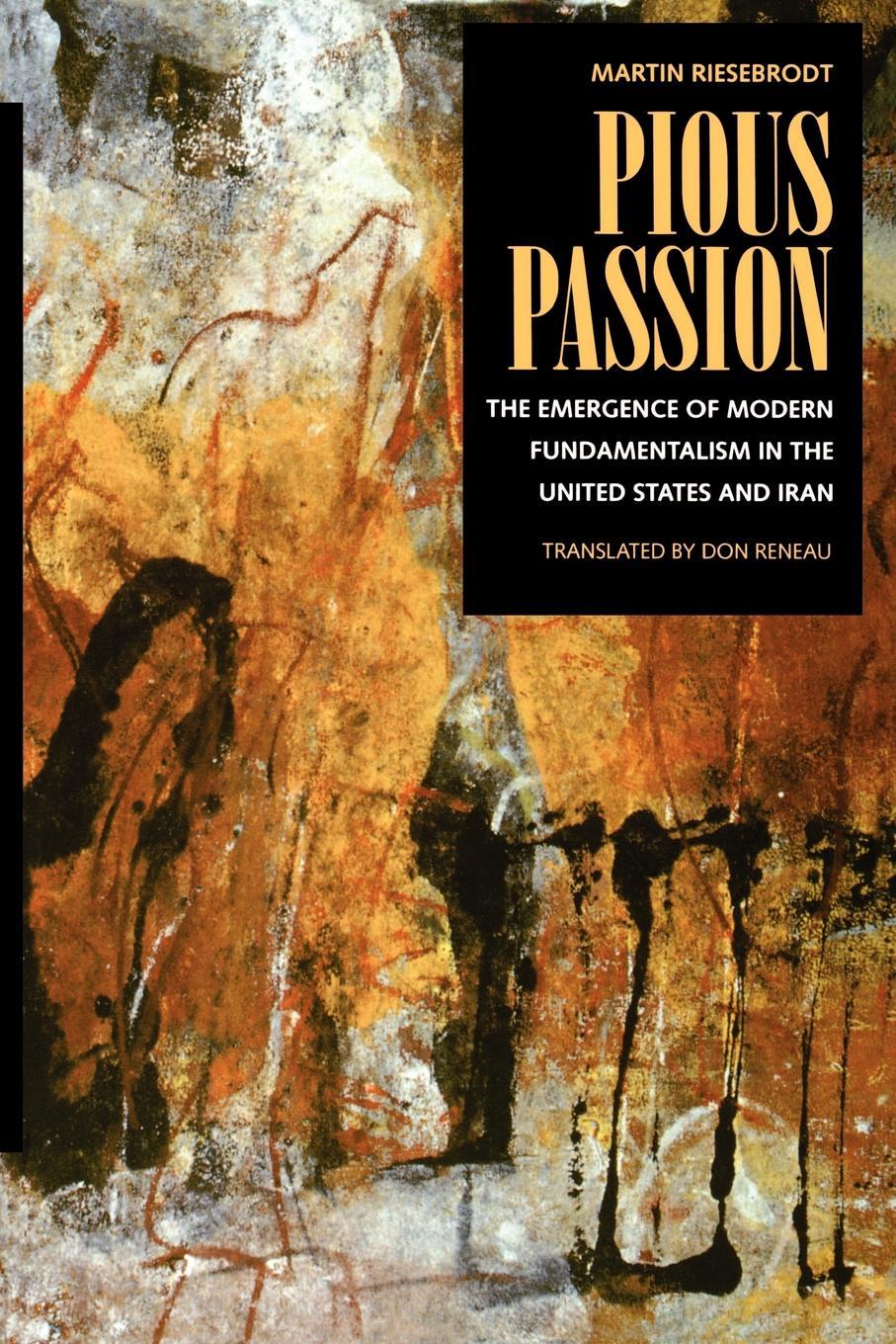
Martin Riesebrodt's unconventional study provides an extraordinary look at religious fundamentalism. Comparing two seemingly disparate movements—in early twentieth-century United States and 1960s and 1970s Iran—he examines why these movements arose and developed. He sees them not simply as protests against "modernity" per se, but as a social and moral community's mobilization against its own marginalization and threats to its way of life. These movements protested against the hallmarks of industrialization and sought to transmit conservative cultural models to the next generation.
Fundamentalists desired a return to an "authentic" social order governed by God's law, one bound by patriarchal structures of authority and morality. Both movements advocated a strict gender dualism and were preoccupied with controlling the female body, which was viewed as the major threat to public morality.
Fundamentalists desired a return to an "authentic" social order governed by God's law, one bound by patriarchal structures of authority and morality. Both movements advocated a strict gender dualism and were preoccupied with controlling the female body, which was viewed as the major threat to public morality.
Maksa helposti kortilla, Klarnalla, Apple Paylla tai Google Paylla. Etkö ole tyytyväinen? Sinulla on aina 14 päivän palautusoikeus. Lue lisää ehdoistamme. Jos sinulla on kysyttävää, lähetä meille sähköpostia osoitteeseen hello@memmo.org.
Memmo tekee opiskelusta helpompaa – missä päin maailmaa ikinä oletkin. Meillä yhdistät kurssikirjat ja fiksut opiskelutyökalut yhteen paikkaan: tiivistelmät, visat, podcastit ja muistikortit. Ja sitten Ted, opiskelukaverisi, joka vastaa kaikkeen, mitä ikinä mietitkin. Yli 50 000 opiskelijaa opiskelee jo täällä – rakennettu auttamaan sinua oppimaan nopeammin ja stressaamaan vähemmän.
Saatat pitää myös näistä
Osta kirja0