
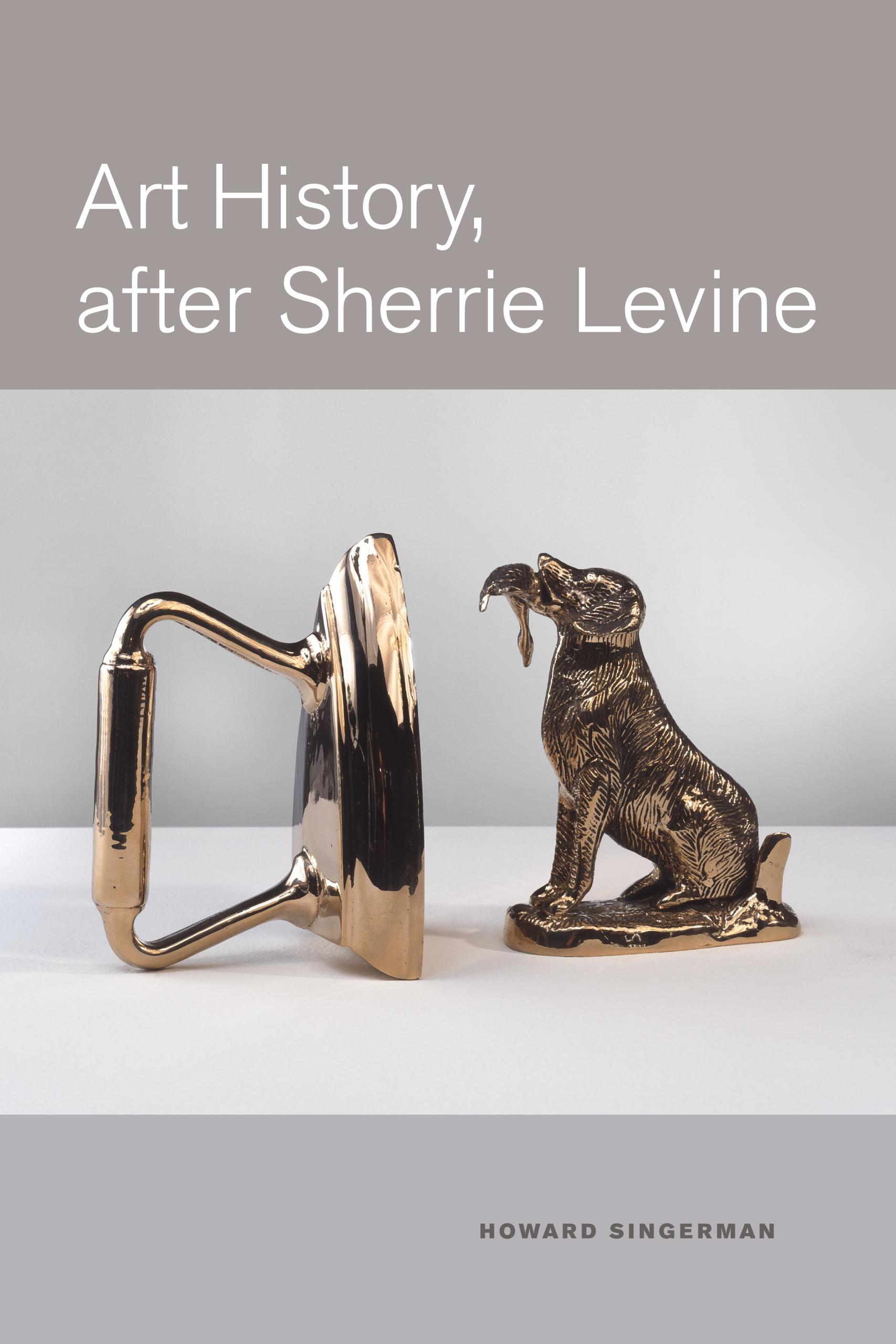
This book examines the career of New York-based artist Sherrie Levine, whose 1981 series of photographs "after Walker Evans"—taken not from life but from Evans’s famous depression-era documents of rural Alabama—became central examples in theorizing postmodernism in the visual arts in the 1980s. For the first in-depth examination of Levine, Howard Singerman surveys a wide variety of sources, both historical and theoretical, to assess an artist whose work was understood from the outset to challenge both the label "artist" and the idea of oeuvre—and who has over the past three decades crafted a significant oeuvre of her own. Singerman addresses Levine’s work after Evans, Brancusi, Malevich, and others as an experimental art historical practice—material reenactments of the way the work of art history is always doubled in and structured by language, and of the ways the art itself resists.
Maksa helposti kortilla, Klarnalla, Apple Paylla tai Google Paylla. Etkö ole tyytyväinen? Sinulla on aina 14 päivän palautusoikeus. Lue lisää ehdoistamme. Jos sinulla on kysyttävää, lähetä meille sähköpostia osoitteeseen hello@memmo.org.
Memmo tekee opiskelusta helpompaa – missä päin maailmaa ikinä oletkin. Meillä yhdistät kurssikirjat ja fiksut opiskelutyökalut yhteen paikkaan: tiivistelmät, visat, podcastit ja muistikortit. Ja sitten Ted, opiskelukaverisi, joka vastaa kaikkeen, mitä ikinä mietitkin. Yli 50 000 opiskelijaa opiskelee jo täällä – rakennettu auttamaan sinua oppimaan nopeammin ja stressaamaan vähemmän.
Saatat pitää myös näistä
Osta kirja0