
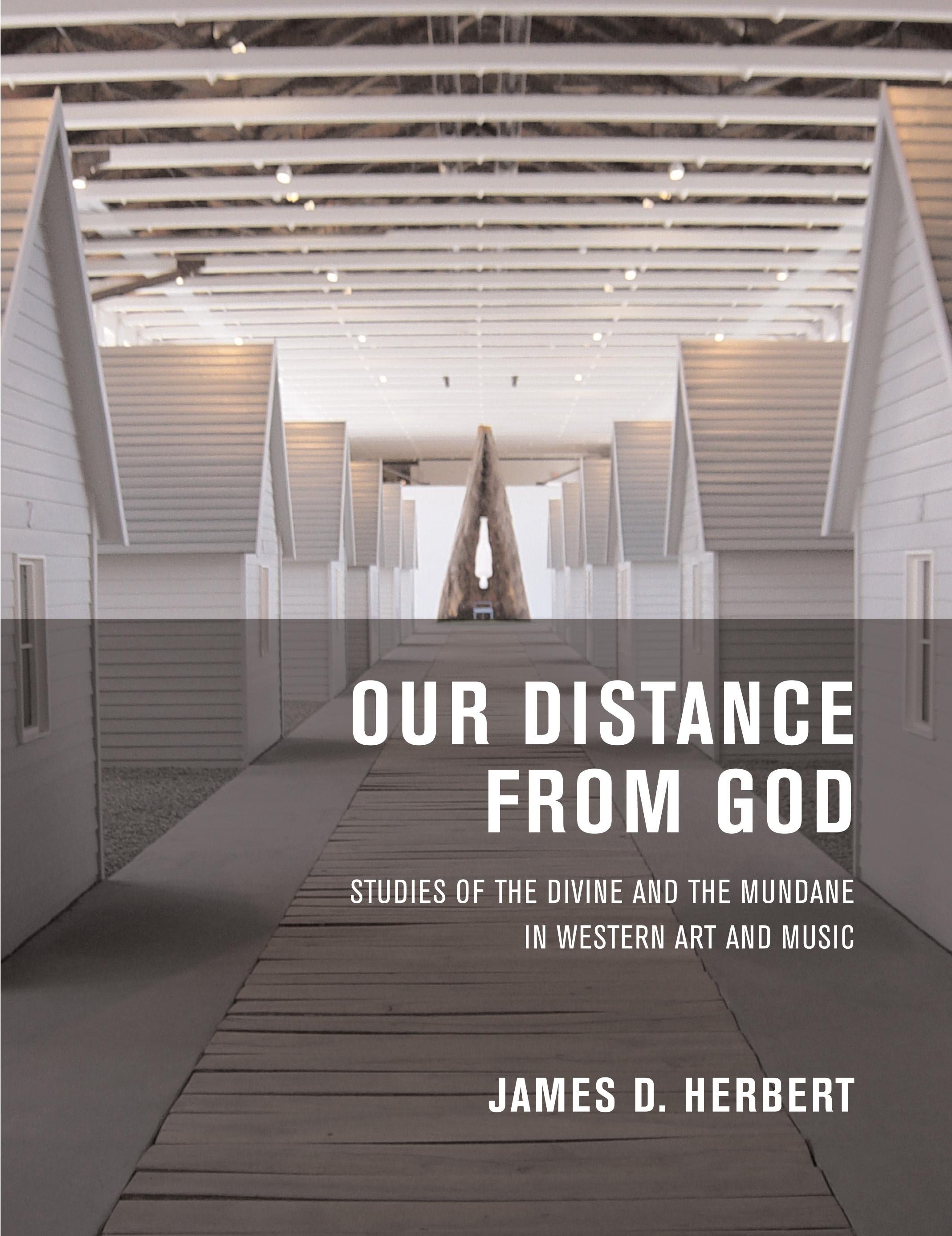
In this encounter between reflections on Christian theology and the history of art and music, James D. Herbert considers how specific works of art establish a relation between the divine and the earthbound audiences for whom the art was created. He looks at five case studies over four centuries: the architecture and artworks that glorified Louis XIV at Versailles, the interaction of libretto and music in Richard Wagner's Ring of the Nibelung, Claude Monet's enormous paintings of water lilies mounted at the Orangerie of Paris in 1927, the inaugural performance in 1962 of Benjamin Britten's War Requiem at the new Anglican cathedral in Coventry, and Robert Wilson's recent installation based on the Passion, 14 Stations.
Maksa helposti kortilla, Klarnalla, Apple Paylla tai Google Paylla. Etkö ole tyytyväinen? Sinulla on aina 14 päivän palautusoikeus. Lue lisää ehdoistamme. Jos sinulla on kysyttävää, lähetä meille sähköpostia osoitteeseen hello@memmo.org.
Memmo tekee opiskelusta helpompaa – missä päin maailmaa ikinä oletkin. Meillä yhdistät kurssikirjat ja fiksut opiskelutyökalut yhteen paikkaan: tiivistelmät, visat, podcastit ja muistikortit. Ja sitten Ted, opiskelukaverisi, joka vastaa kaikkeen, mitä ikinä mietitkin. Yli 50 000 opiskelijaa opiskelee jo täällä – rakennettu auttamaan sinua oppimaan nopeammin ja stressaamaan vähemmän.
Saatat pitää myös näistä
Osta kirja0