
A free book version of this title is available through Luminos, University of California Press's Open Access publishing program. Visit www.luminosoa.org to learn more.
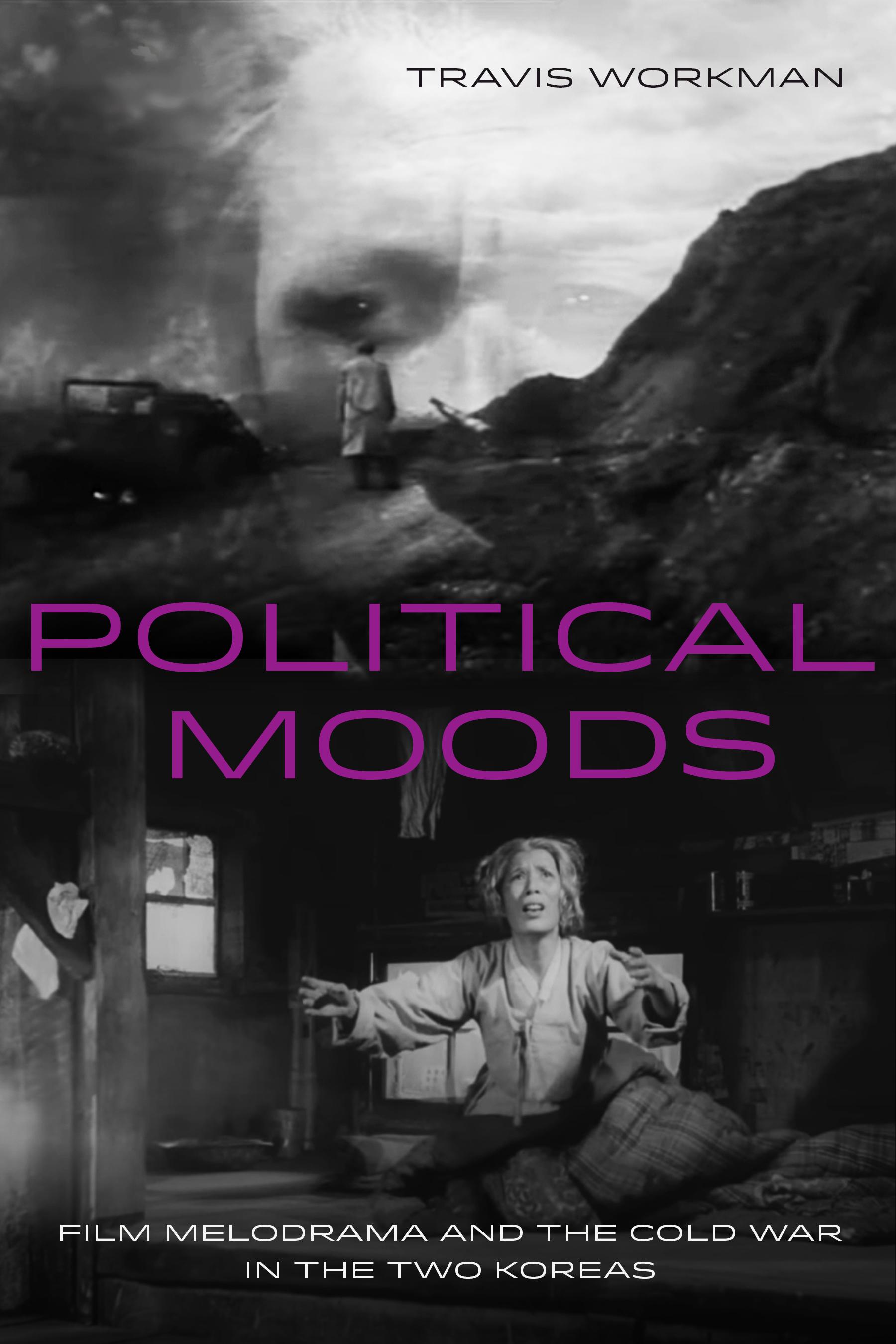
Melodrama films dominated the North and South Korean industries in the period between liberation from Japanese colonial rule in 1945 and the hardening of dictatorship in the 1970s. The films of each industry are often read as direct reflections of Cold War and Korean War political ideologies and national historical experiences, and therefore as aesthetically and politically opposed to each other. However, Political Moods develops a comparative analysis across the Cold War divide, analyzing how films in both North and South Korea convey political and moral ideas through the sentimentality of the melodramatic mode. Travis Workman reveals that the melancholic moods of film melodrama express the somatic and social conflicts between political ideologies and excesses of affect, meaning, and historical references. These moods dramatize the tension between the language of Cold War politics and the negative affects that connect cinema to what it cannot fully represent. The result is a new way of historicizing the cinema of the two Koreas in relation to colonialism, postcolonialism, war, and nation building.
Melodrama films dominated the North and South Korean industries in the period between liberation from Japanese colonial rule in 1945 and the hardening of dictatorship in the 1970s. The films of each industry are often read as direct reflections of Cold War and Korean War political ideologies and national historical experiences, and therefore as aesthetically and politically opposed to each other. However, Political Moods develops a comparative analysis across the Cold War divide, analyzing how films in both North and South Korea convey political and moral ideas through the sentimentality of the melodramatic mode. Travis Workman reveals that the melancholic moods of film melodrama express the somatic and social conflicts between political ideologies and excesses of affect, meaning, and historical references. These moods dramatize the tension between the language of Cold War politics and the negative affects that connect cinema to what it cannot fully represent. The result is a new way of historicizing the cinema of the two Koreas in relation to colonialism, postcolonialism, war, and nation building.
Maksa helposti kortilla, Klarnalla, Apple Paylla tai Google Paylla. Etkö ole tyytyväinen? Sinulla on aina 14 päivän palautusoikeus. Lue lisää ehdoistamme. Jos sinulla on kysyttävää, lähetä meille sähköpostia osoitteeseen hello@memmo.org.
Memmo tekee opiskelusta helpompaa – missä päin maailmaa ikinä oletkin. Meillä yhdistät kurssikirjat ja fiksut opiskelutyökalut yhteen paikkaan: tiivistelmät, visat, podcastit ja muistikortit. Ja sitten Ted, opiskelukaverisi, joka vastaa kaikkeen, mitä ikinä mietitkin. Yli 50 000 opiskelijaa opiskelee jo täällä – rakennettu auttamaan sinua oppimaan nopeammin ja stressaamaan vähemmän.
Saatat pitää myös näistä
Osta kirja0