
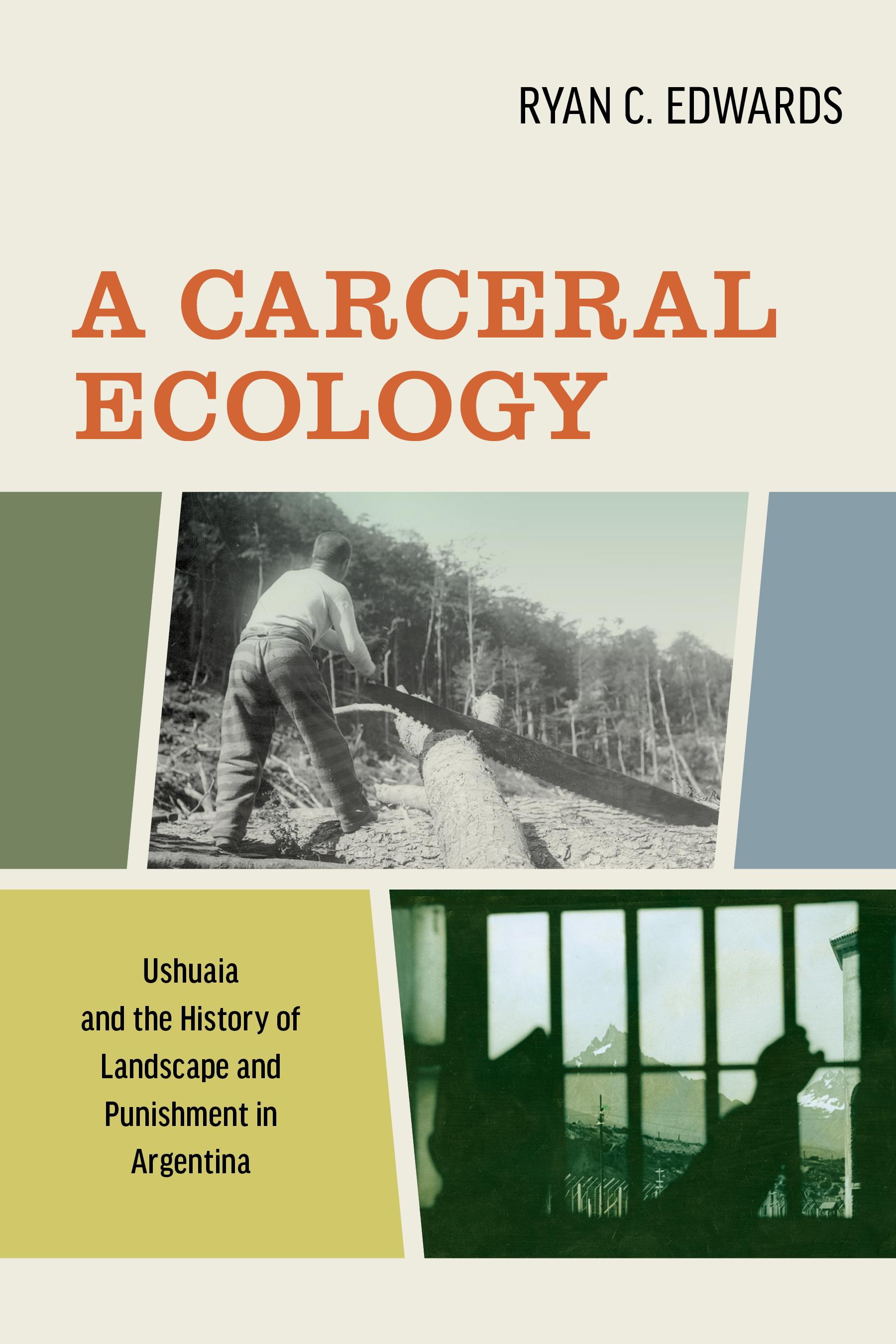
Closer to Antarctica than to Buenos Aires, the port town of Ushuaia, Argentina is home to a national park as well as a museum that is housed in the world’s southernmost prison. Ushuaia’s radial panopticon operated as an experimental hybrid penal colony and penitentiary from 1902 to 1947, designed to revolutionize modern prisons globally. A Carceral Ecology offers the first comprehensive study of this notorious prison and its afterlife, documenting how the Patagonian frontier and timber economy became central to ideas about labor, rehabilitation, and resource management. Mining the records of penologists, naturalists, and inmates, Ryan C. Edwards shows how discipline was tied to forest management, but also how inmates gained situated geographical knowledge and reframed debates on the regeneration of the land and the self. Bringing a new imperative to global prison studies, Edwards asks us to rethink the role of the environment in carceral practices as well as the impact of incarceration on the natural world.
Maksa helposti kortilla, Klarnalla, Apple Paylla tai Google Paylla. Etkö ole tyytyväinen? Sinulla on aina 14 päivän palautusoikeus. Lue lisää ehdoistamme. Jos sinulla on kysyttävää, lähetä meille sähköpostia osoitteeseen hello@memmo.org.
Memmo tekee opiskelusta helpompaa – missä päin maailmaa ikinä oletkin. Meillä yhdistät kurssikirjat ja fiksut opiskelutyökalut yhteen paikkaan: tiivistelmät, visat, podcastit ja muistikortit. Ja sitten Ted, opiskelukaverisi, joka vastaa kaikkeen, mitä ikinä mietitkin. Yli 50 000 opiskelijaa opiskelee jo täällä – rakennettu auttamaan sinua oppimaan nopeammin ja stressaamaan vähemmän.
Saatat pitää myös näistä
Osta kirja0