
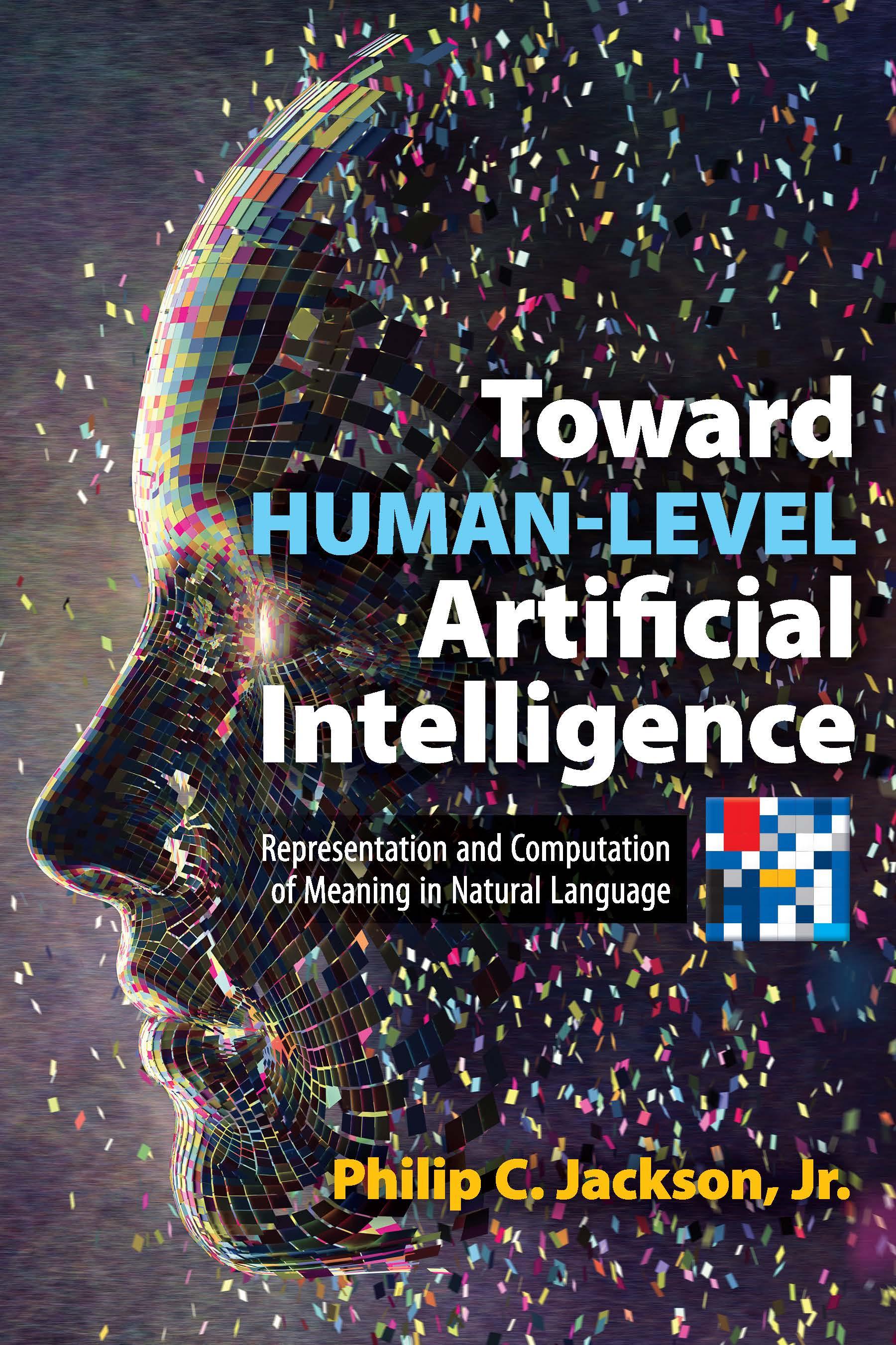
How can human-level artificial intelligence be achieved? What are the potential consequences? This book describes a research approach toward achieving human-level AI, combining a doctoral thesis and research papers by the author.
The research approach, called TalaMind, involves developing an AI system that uses a 'natural language of thought' based on the unconstrained syntax of a language such as English; designing the system as a collection of concepts that can create and modify concepts to behave intelligently in an environment; and using methods from cognitive linguistics for multiple levels of mental representation. Proposing a design-inspection alternative to the Turing Test, these pages discuss 'higher-level mentalities' of human intelligence, which include natural language understanding, higher-level forms of learning and reasoning, imagination, and consciousness. Dr. Jackson gives a comprehensive review of other research, addresses theoretical objections to the proposed approach and to achieving human-level AI in principle, and describes a prototype system that illustrates the potential of the approach.
This book discusses economic risks and benefits of AI, considers how to ensure that human-level AI and superintelligence will be beneficial for humanity, and gives reasons why human-level AI may be necessary for humanity's survival and prosperity.
The research approach, called TalaMind, involves developing an AI system that uses a 'natural language of thought' based on the unconstrained syntax of a language such as English; designing the system as a collection of concepts that can create and modify concepts to behave intelligently in an environment; and using methods from cognitive linguistics for multiple levels of mental representation. Proposing a design-inspection alternative to the Turing Test, these pages discuss 'higher-level mentalities' of human intelligence, which include natural language understanding, higher-level forms of learning and reasoning, imagination, and consciousness. Dr. Jackson gives a comprehensive review of other research, addresses theoretical objections to the proposed approach and to achieving human-level AI in principle, and describes a prototype system that illustrates the potential of the approach.
This book discusses economic risks and benefits of AI, considers how to ensure that human-level AI and superintelligence will be beneficial for humanity, and gives reasons why human-level AI may be necessary for humanity's survival and prosperity.
Maksa helposti kortilla, Klarnalla, Apple Paylla tai Google Paylla. Etkö ole tyytyväinen? Sinulla on aina 14 päivän palautusoikeus. Lue lisää ehdoistamme. Jos sinulla on kysyttävää, lähetä meille sähköpostia osoitteeseen hello@memmo.org.
Memmo tekee opiskelusta helpompaa – missä päin maailmaa ikinä oletkin. Meillä yhdistät kurssikirjat ja fiksut opiskelutyökalut yhteen paikkaan: tiivistelmät, visat, podcastit ja muistikortit. Ja sitten Ted, opiskelukaverisi, joka vastaa kaikkeen, mitä ikinä mietitkin. Yli 50 000 opiskelijaa opiskelee jo täällä – rakennettu auttamaan sinua oppimaan nopeammin ja stressaamaan vähemmän.
Saatat pitää myös näistä
Osta kirja0