
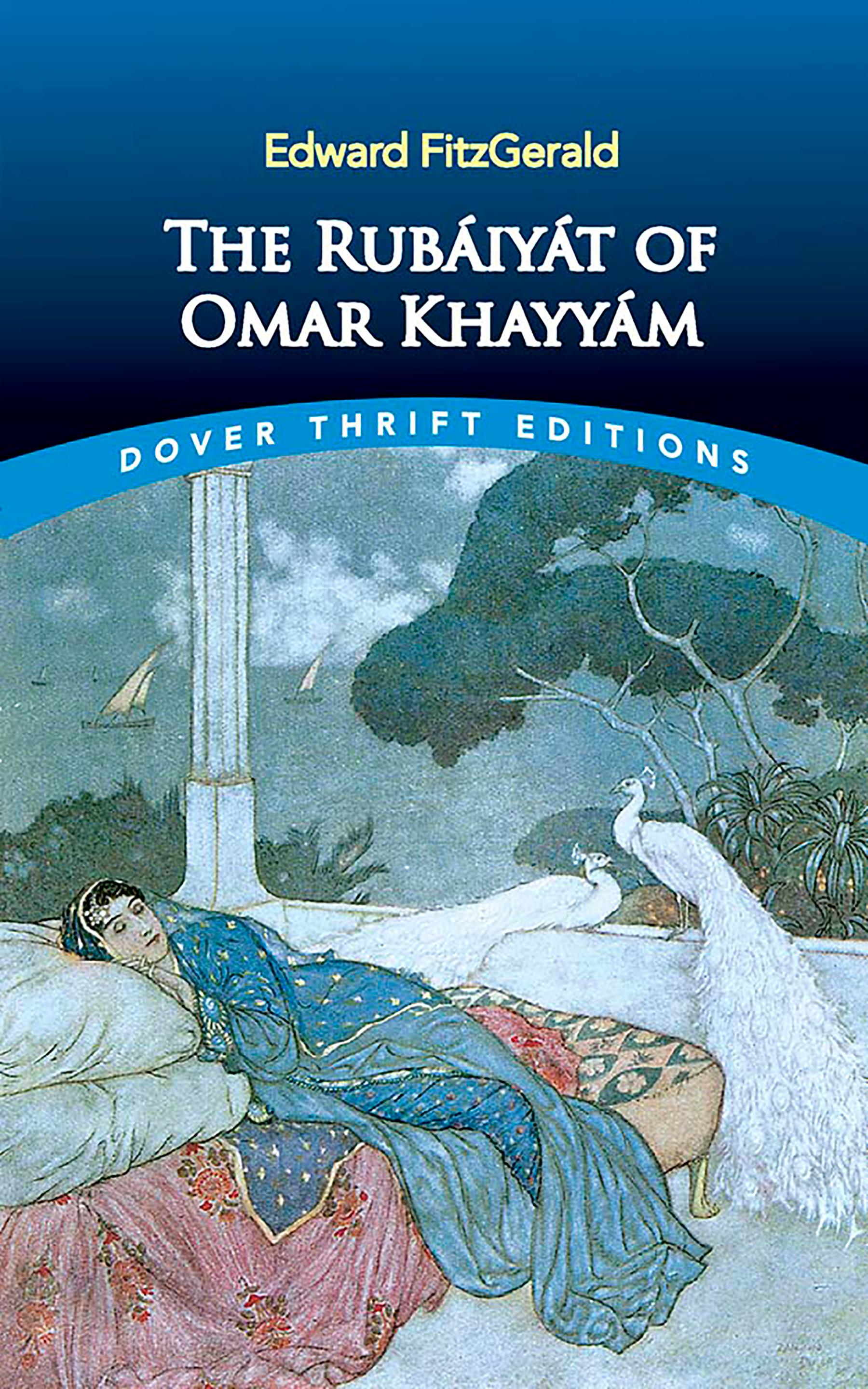
Omar Khayyám (1048–1122) was a Persian mathematician, astronomer, and a philosopher who was not known as a poet in his lifetime. Later, a body of quatrains became attached to his name, although not all were his works. These verses lay in obscurity until 1859, when Edward FitzGerald (1809–1883), an English country gentleman, published a free adaptation of this Persian poetry. After its discovery by D. G. Rossetti and others, the verse became extremely popular. Essentially a hedonist and a skeptic, Omar Khayyám, through FitzGerald, spoke with both an earthy and spiritual freedom that stirred a universal response. As a result, the Rubáiyát became one of the best-known and most often quoted English classics. The fifth edition, published posthumously in 1889, was based on FitzGerald's handwritten changes in a copy of the fourth edition, and is traditionally printed with the first edition.
Maksa helposti kortilla, Klarnalla, Apple Paylla tai Google Paylla. Etkö ole tyytyväinen? Sinulla on aina 14 päivän palautusoikeus. Lue lisää ehdoistamme. Jos sinulla on kysyttävää, lähetä meille sähköpostia osoitteeseen hello@memmo.org.
Memmo tekee opiskelusta helpompaa – missä päin maailmaa ikinä oletkin. Meillä yhdistät kurssikirjat ja fiksut opiskelutyökalut yhteen paikkaan: tiivistelmät, visat, podcastit ja muistikortit. Ja sitten Ted, opiskelukaverisi, joka vastaa kaikkeen, mitä ikinä mietitkin. Yli 50 000 opiskelijaa opiskelee jo täällä – rakennettu auttamaan sinua oppimaan nopeammin ja stressaamaan vähemmän.