
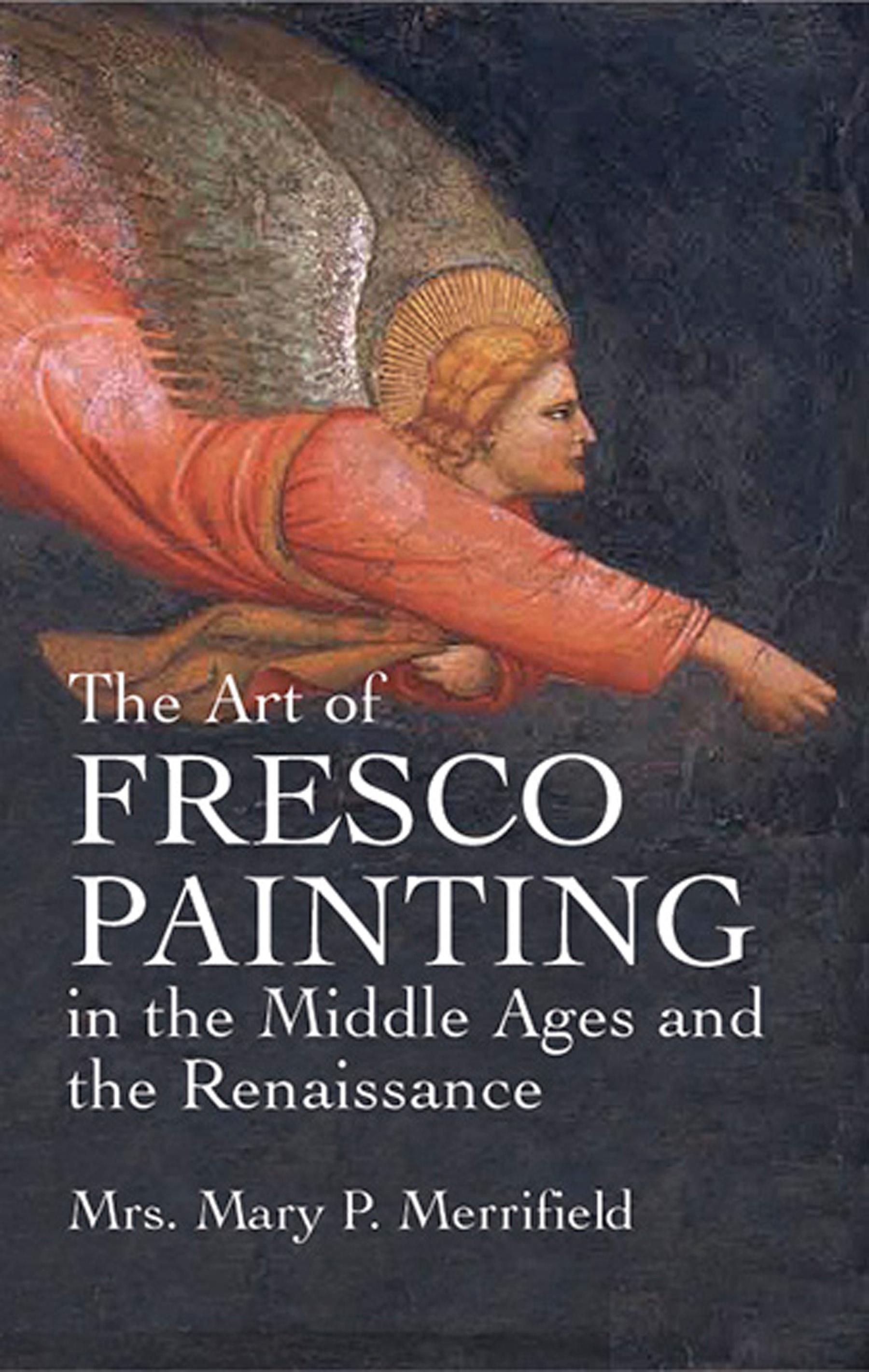
Known for its durability, a fresco painting is created in "sections" on freshly laid wet plaster, allowing the painter to comprehensively portray the subject and execute designs with ease. As both the paint and plaster dry, they become completely fused. Highly popular during the late-thirteenth to the mid-sixteenth centuries, fresco painting was almost a lost art by the time this book was first published in 1846. This volume, by a recognized authority in the field, was highly influential in reintroducing fresco painting to public attention.
In addition to translating descriptions of painting methods used by such masters as Alberti, Cennini, Vasari, Borghini, Pozzo, and Pacheco, the author also interprets passages from rare manuscripts on the causes of fresco destruction and how to retouch, repair, and clean these works of art.
Curators and art historians will find this classic reference work of immense importance and interest.
In addition to translating descriptions of painting methods used by such masters as Alberti, Cennini, Vasari, Borghini, Pozzo, and Pacheco, the author also interprets passages from rare manuscripts on the causes of fresco destruction and how to retouch, repair, and clean these works of art.
Curators and art historians will find this classic reference work of immense importance and interest.
Maksa helposti kortilla, Klarnalla, Apple Paylla tai Google Paylla. Etkö ole tyytyväinen? Sinulla on aina 14 päivän palautusoikeus. Lue lisää ehdoistamme. Jos sinulla on kysyttävää, lähetä meille sähköpostia osoitteeseen hello@memmo.org.
Memmo tekee opiskelusta helpompaa – missä päin maailmaa ikinä oletkin. Meillä yhdistät kurssikirjat ja fiksut opiskelutyökalut yhteen paikkaan: tiivistelmät, visat, podcastit ja muistikortit. Ja sitten Ted, opiskelukaverisi, joka vastaa kaikkeen, mitä ikinä mietitkin. Yli 50 000 opiskelijaa opiskelee jo täällä – rakennettu auttamaan sinua oppimaan nopeammin ja stressaamaan vähemmän.
Saatat pitää myös näistä
Osta kirja0