
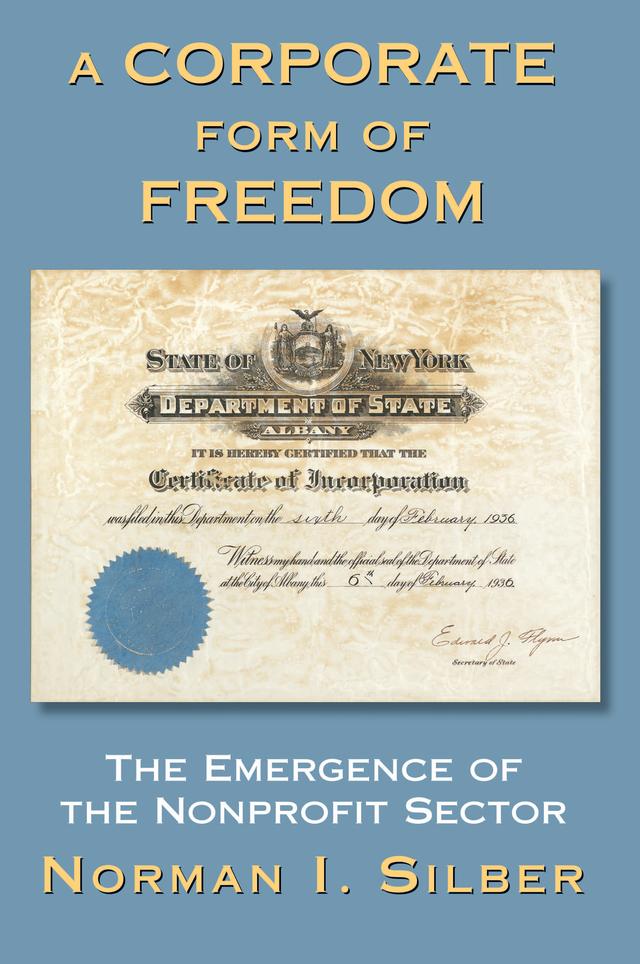
A Corporate Form of Freedom explores how courts and legislatures have decided which nonprofit groups can pursue their missions as corporations. For many years it was a privilege to hold a nonprofit charter. This view changed during the 1950s and 1960s. A new generation contended that legal theory, racial justice, and democratic values demanded that the nonprofit corporate form be available to all groups as a matter of right. As a result, nonprofit corporate status became America's corporate form for free expression. The new perspective did more than enlarge public discourse, however. It also reduced official authority to supervise or otherwise hold nonprofit organizations accountable for their activities. Norman I. Silber examines how the nonprofit world was transformed -- a transformation which refashioned political and social discourse, altered the economy, and created many of the difficulties the nonprofit sector faces today.
Maksa helposti kortilla, Klarnalla, Apple Paylla tai Google Paylla. Etkö ole tyytyväinen? Sinulla on aina 14 päivän palautusoikeus. Lue lisää ehdoistamme. Jos sinulla on kysyttävää, lähetä meille sähköpostia osoitteeseen hello@memmo.org.
Memmo tekee opiskelusta helpompaa – missä päin maailmaa ikinä oletkin. Meillä yhdistät kurssikirjat ja fiksut opiskelutyökalut yhteen paikkaan: tiivistelmät, visat, podcastit ja muistikortit. Ja sitten Ted, opiskelukaverisi, joka vastaa kaikkeen, mitä ikinä mietitkin. Yli 50 000 opiskelijaa opiskelee jo täällä – rakennettu auttamaan sinua oppimaan nopeammin ja stressaamaan vähemmän.
Saatat pitää myös näistä
Osta kirja0