
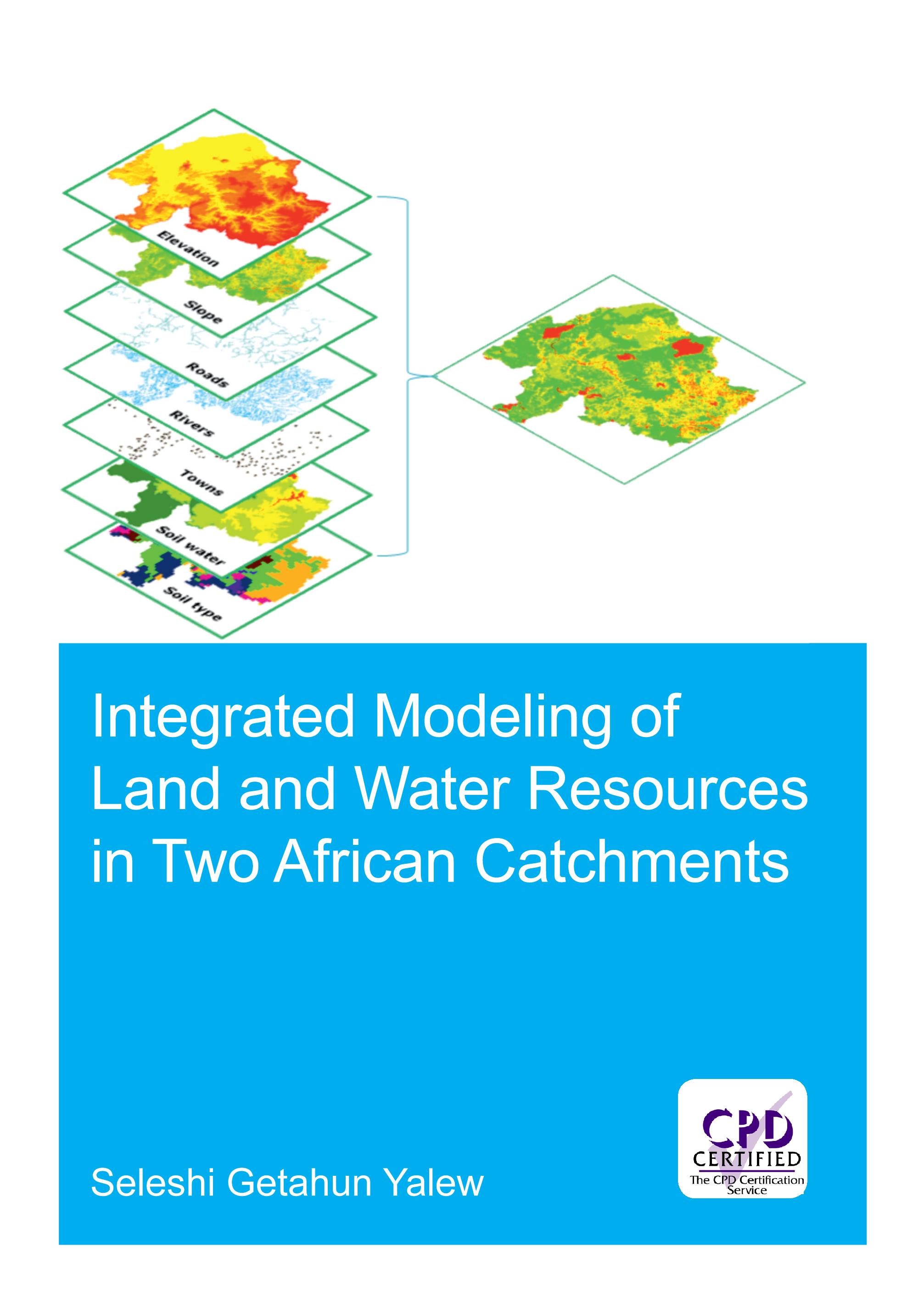
Demand for land and water for agriculture, urbanization, irrigation, hydropower, and industrialization is increasing to meet the demands of growing populations and of growing economies. However, changes in land and water resources are often studied separately. A better representation of the interaction between land-use change and its drivers on the one hand and water resources on the other is imperative for sustainable environmental management.
This research investigates and develops spatial analysis methods and tools for the quantification of dynamic feedbacks between land-use change and water resources, by focusing on case study catchments in Ethiopia and South Africa. Furthermore, the research investigates methods for analysing land-use suitability and modelling land-use change. Results show that major changes in land-use have been observed in the past two to three decades in the study catchments. Model representation of the interaction between land-use change and water resources shows that changes in land-use influence hydrologic responses. These influences are especially pronounced during high- and low-flow seasons. Likewise, hydrologic processes and water resources availability influence land-use suitability and hence land-use change responses. Accounting for the dynamic feedback between land-use and hydrology thus produces improved knowledge that can better inform integrated natural resources management.
Maksa helposti kortilla, Klarnalla, Apple Paylla tai Google Paylla. Etkö ole tyytyväinen? Sinulla on aina 14 päivän palautusoikeus. Lue lisää ehdoistamme. Jos sinulla on kysyttävää, lähetä meille sähköpostia osoitteeseen hello@memmo.org.
Memmo tekee opiskelusta helpompaa – missä päin maailmaa ikinä oletkin. Meillä yhdistät kurssikirjat ja fiksut opiskelutyökalut yhteen paikkaan: tiivistelmät, visat, podcastit ja muistikortit. Ja sitten Ted, opiskelukaverisi, joka vastaa kaikkeen, mitä ikinä mietitkin. Yli 50 000 opiskelijaa opiskelee jo täällä – rakennettu auttamaan sinua oppimaan nopeammin ja stressaamaan vähemmän.