
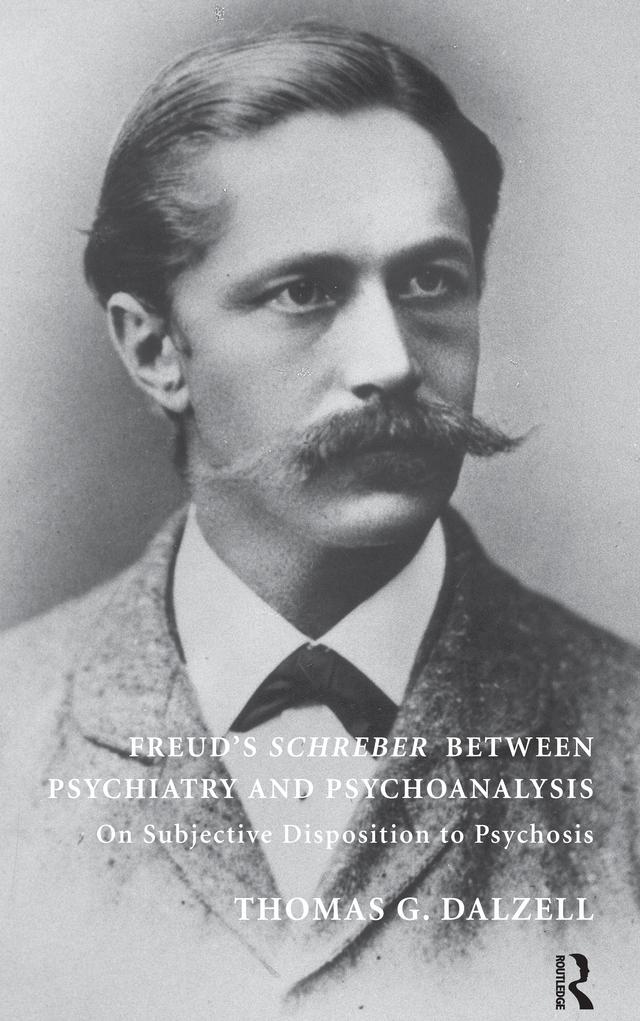
This book investigates what was distinctive about the predisposition to psychosis Freud posited in Daniel Paul Schreber, a presiding judge in Saxony's highest court. It argues that Freud's 1911 Schreber text reversed the order of priority in late nineteenth-century conceptions of the disposing causes of psychosis - the objective-biological and subjective-biographical - to privilege subjective disposition to psychosis, but without returning to the paradigms of early nineteenth-century Romantic psychiatry and without obviating the legitimate claims of biological psychiatry in relation to hereditary disposition. While Schreber is the book's reference point, this is not a general treatment of Schreber, or of Freud's reading of the Schreber case. It focuses rather on what was new in Freud's thinking on the disposition to psychosis, what he learned from his psychiatrist contemporaries and what he did not, and whether or not psychoanalysts have fully received his aetiology.
Maksa helposti kortilla, Klarnalla, Apple Paylla tai Google Paylla. Etkö ole tyytyväinen? Sinulla on aina 14 päivän palautusoikeus. Lue lisää ehdoistamme. Jos sinulla on kysyttävää, lähetä meille sähköpostia osoitteeseen hello@memmo.org.
Memmo tekee opiskelusta helpompaa – missä päin maailmaa ikinä oletkin. Meillä yhdistät kurssikirjat ja fiksut opiskelutyökalut yhteen paikkaan: tiivistelmät, visat, podcastit ja muistikortit. Ja sitten Ted, opiskelukaverisi, joka vastaa kaikkeen, mitä ikinä mietitkin. Yli 50 000 opiskelijaa opiskelee jo täällä – rakennettu auttamaan sinua oppimaan nopeammin ja stressaamaan vähemmän.
Saatat pitää myös näistä
Osta kirja0