
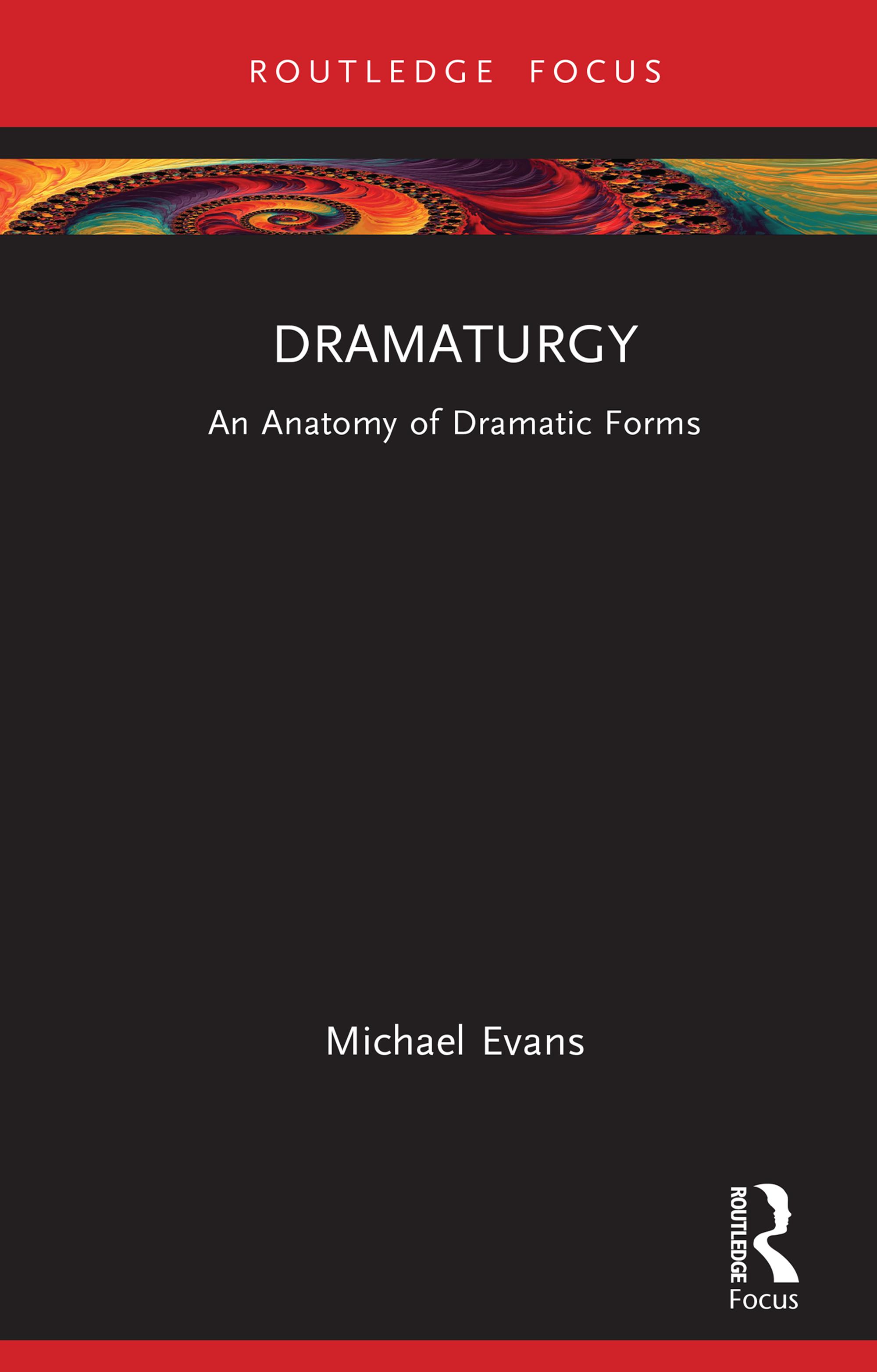
How are plays constructed? Taking this essential question and looking at a broad range of Western plays, from Greek tragedies through Ibsen, we can discern a remarkably stable set of dramaturgical principles.
Some dramatists adhere to traditional principles to create meaning, while others delight in bending or breaking these conventions, seeking new ways to express meaning. In this book, Michael Evans discusses what he calls “standard dramaturgy” – a set of seven principles upon which most plays, from ancient Greek dramas to modern works, are based. He teases out seven traits found in most plays written before 1900 – and many popular plays and films since then. The book then looks at these key traits and how the playwrights of the Modernist era deliberately subvert them to create new methods of meaning. Examining each of these traits with well-chosen examples from dramatic literature, the book highlights these traits and illustrates how dramaturgs can understand instances of meaning within plays.
Part of the Routledge Focus on Dramaturgy series, this book will interest scholars and students of dramaturgy, directing, and theatre studies.
Maksa helposti kortilla, Klarnalla, Apple Paylla tai Google Paylla. Etkö ole tyytyväinen? Sinulla on aina 14 päivän palautusoikeus. Lue lisää ehdoistamme. Jos sinulla on kysyttävää, lähetä meille sähköpostia osoitteeseen hello@memmo.org.
Memmo tekee opiskelusta helpompaa – missä päin maailmaa ikinä oletkin. Meillä yhdistät kurssikirjat ja fiksut opiskelutyökalut yhteen paikkaan: tiivistelmät, visat, podcastit ja muistikortit. Ja sitten Ted, opiskelukaverisi, joka vastaa kaikkeen, mitä ikinä mietitkin. Yli 50 000 opiskelijaa opiskelee jo täällä – rakennettu auttamaan sinua oppimaan nopeammin ja stressaamaan vähemmän.