
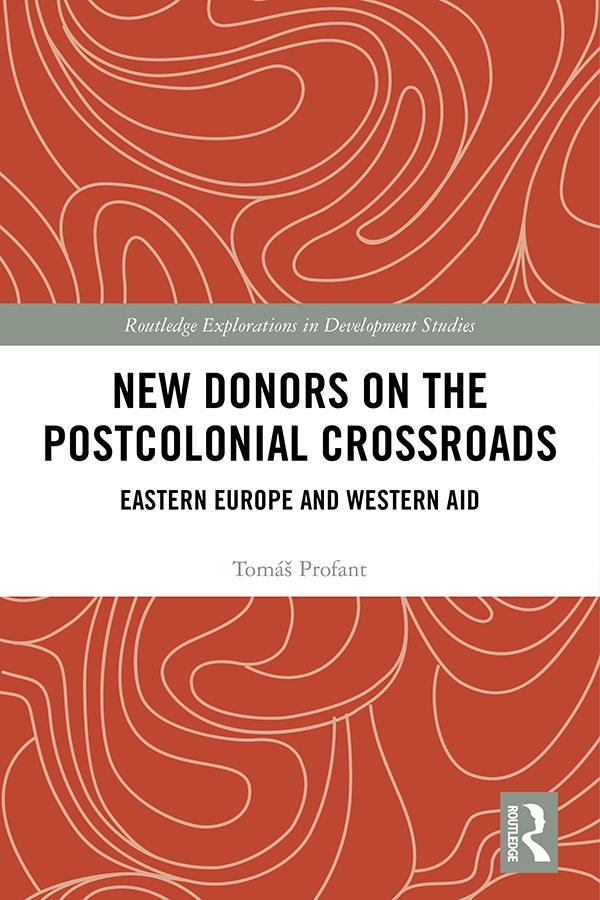
After the collapse of the Soviet Union, Eastern European countries were said to be playing catch up with the West, and in the field of development cooperation, they were classified as 'new donors.' This book aims to problematize this distinction between old and new development donors, applying an East–West dimension to global Orientalism discourse.
The book uses a novel double postcolonial perspective, examining North–South relations and East–West relations simultaneously, and problematizing these distinctions. In particular, the book deploys an empirical analysis of a 'new' Eastern European donor (Slovakia), compared with an 'old' donor (Austria), in order to explore questions around hierarchization, depoliticization and the legitimization of development.
This book's innovative approach to the East–West dimension of global Orientalism will be of interest to researchers in postcolonial studies, Eastern European studies, and critical development studies.
Maksa helposti kortilla, Klarnalla, Apple Paylla tai Google Paylla. Etkö ole tyytyväinen? Sinulla on aina 14 päivän palautusoikeus. Lue lisää ehdoistamme. Jos sinulla on kysyttävää, lähetä meille sähköpostia osoitteeseen hello@memmo.org.
Memmo tekee opiskelusta helpompaa – missä päin maailmaa ikinä oletkin. Meillä yhdistät kurssikirjat ja fiksut opiskelutyökalut yhteen paikkaan: tiivistelmät, visat, podcastit ja muistikortit. Ja sitten Ted, opiskelukaverisi, joka vastaa kaikkeen, mitä ikinä mietitkin. Yli 50 000 opiskelijaa opiskelee jo täällä – rakennettu auttamaan sinua oppimaan nopeammin ja stressaamaan vähemmän.