
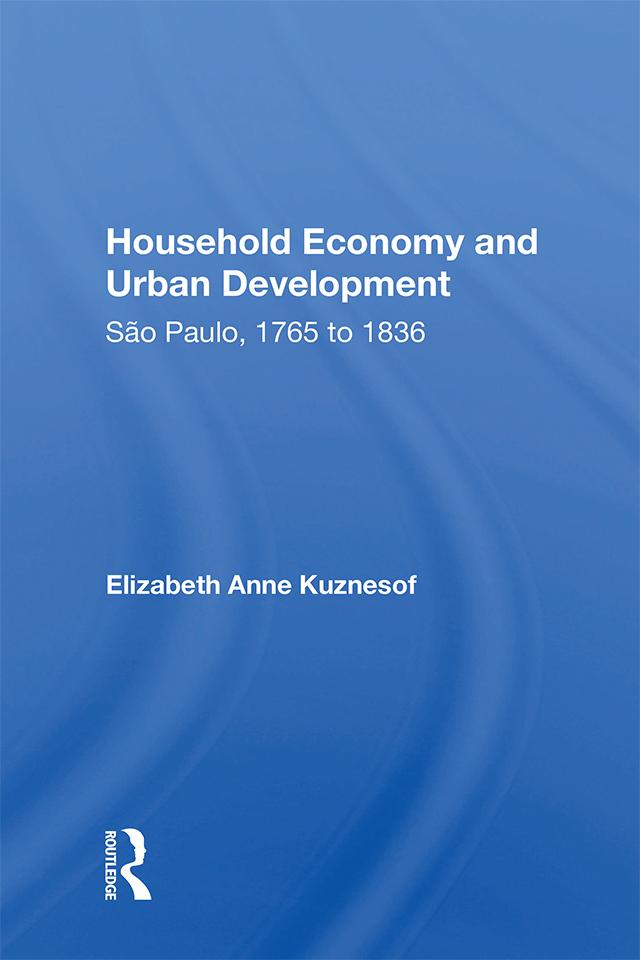
Between 1765 and 1836 the household economy of São Paulo was transformed from a subsistence to a market-oriented economy. This transformation was paralleled by dramatic changes within society, existing kinship systems, and the organization of the household. The author suggests that this fundamental change in the mode of production was intentional, engineered by an interested elite of merchants and plantation owners who utilized local government bodies to promote the construction of centralized markets, roads, warehouses, and port facilities. The same group sponsored changes in local administration and land law in order to increase and control the resultant commerce in sugar and coffee. This book, based on household-level census data, looks at economic development at the micro level and analyzes how the change took place at a juncture in history when prior options seemed to disappear.
Maksa helposti kortilla, Klarnalla, Apple Paylla tai Google Paylla. Etkö ole tyytyväinen? Sinulla on aina 14 päivän palautusoikeus. Lue lisää ehdoistamme. Jos sinulla on kysyttävää, lähetä meille sähköpostia osoitteeseen hello@memmo.org.
Memmo tekee opiskelusta helpompaa – missä päin maailmaa ikinä oletkin. Meillä yhdistät kurssikirjat ja fiksut opiskelutyökalut yhteen paikkaan: tiivistelmät, visat, podcastit ja muistikortit. Ja sitten Ted, opiskelukaverisi, joka vastaa kaikkeen, mitä ikinä mietitkin. Yli 50 000 opiskelijaa opiskelee jo täällä – rakennettu auttamaan sinua oppimaan nopeammin ja stressaamaan vähemmän.
Saatat pitää myös näistä
Osta kirja0